
Top Cities to Live in China for Expats and Locals
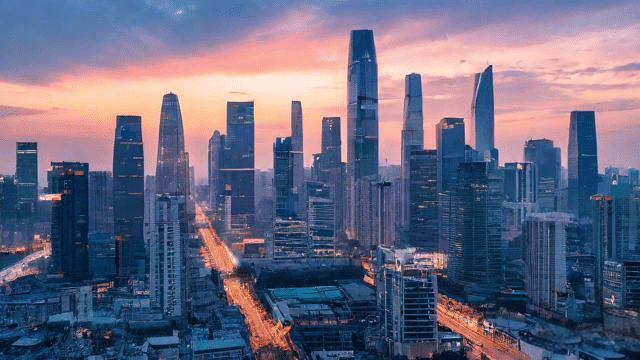
China is truly a fascinating place, known for its incredible diversity and vibrant history! It beautifully combines ancient traditions with modern innovation, creating a wonderful environment for locals and expatriates alike. Whether you’re exploring bustling metropolises or enjoying the tranquility of serene coastal towns, each city offers its own unique cultural experiences and opportunities. Finding the right city can greatly boost your quality of life and career prospects as an expatriate. Let’s find out some of the best cities in China where both expats and locals can flourish!
China’s diverse living destinations span 23 provinces, 5 autonomous regions (like Tibet and Xinjiang), and 2 special administrative regions (Hong Kong and Macau). This guide explores the best cities across this vast nation – use the map below to visualize their locations!
Before choosing your ideal city, understand China’s structure:
- 23 provinces: Where most major cities like Shanghai and Guangzhou are located
- 5 autonomous regions: Offering unique cultural experiences (e.g., Inner Mongolia)
- 2 special administrative regions: Hong Kong and Macau operate under different systems
The map shows how these regions form modern China’s tapestry.
1. Shanghai: The Cosmopolitan Powerhouse
Shanghai is often the first choice for expats and locals seeking a dynamic, international lifestyle. As China’s financial hub, it offers unparalleled career opportunities in finance, technology, and trade. Especially it’s city’s skyline, dominated by the iconic Oriental Pearl Tower and the Shanghai Tower, is a testament to its modernity.
Popular industries that people are looking for in Shanghai are education, technology, and finance:
As a cosmopolitan city filled with people from different countries, the demand for native English teachers has risen a lot. As a native English teacher, you can get around $1,200 to $5,000 (¥9,000 to ¥35,000) a month, depending on your experience, qualifications, and the type of institution you work for.
An expat software engineer and IT specialist can typically earn between ¥25,000 to ¥60,000 ($3,500 to $8,460) per month, and if you become the manager or director, you can potentially earn ¥50,000 to ¥100,000 ($7,000 to $14,000) per month.
If you are interested in becoming financial advisor or an investment and business manager, you can expect ¥30,000 to ¥60,000 ($4,200 to $8,460) per month.
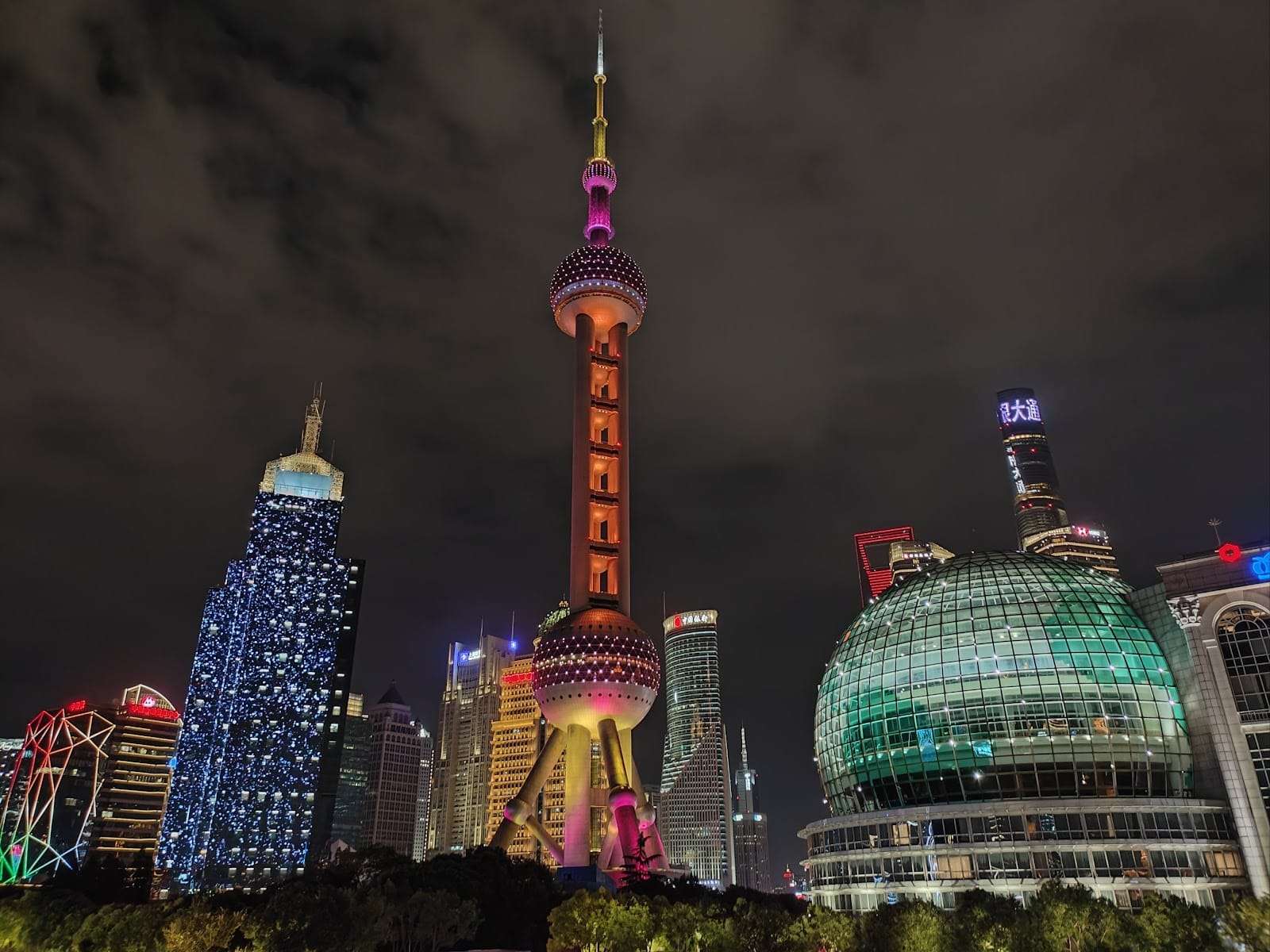
- Why it’s great: As a melting pot of cultures, Shanghai not only boasts a vibrant expat community, it has world-class dining and a thriving arts scene. Neighborhoods like the French Concession and Jing’an offer a mix of historic charm and modern convenience.
- For locals: Shanghai is a city of opportunity, with access to top-tier education (Fudan University and Shanghai Jiao Tong University), healthcare, and entertainment.
- Drawbacks: The cost of living is high, and the fast-paced lifestyle may not suit everyone.
- Average Living Cost/Person: $626 (¥4,530) without rent
2. Beijing: The Cultural and Political Heart
As the capital of China, Beijing has become a place where history meets modernity. Beijing was known for its landmarks such as the Forbidden City and the Great Wall alongside a thriving tech industry, the city presents a distinctive mix of the ancient and the contemporary.
In any case, expats in the technology and education industries often find lucrative opportunities in Beijing:
Those with entry-level expertise in engineering might get about ¥12,000 to ¥20,000 ($1,600 to $2,800) per month. On another hand, the mid-level potentially earning ¥20,000 to ¥40,000 ($2,800 to $5,600) per month, and the senior-level up to ¥80,000 ($11,200) per month. Those who specialize in software development might earn ¥15,000 to ¥40,000 ($2,100 to $5,600) per month.

- Why it’s great: Beijing is a hub for politics, education, and technology, making it ideal for professionals and students. As I said before, the city’s rich cultural heritage is unmatched, with countless museums, temples, and historical sites.
- For locals: Beijingers take pride in their city’s history and its status as the political center of China. The city also offers excellent public services and infrastructure.
- Drawbacks: Although Beijing is a big city, its air quality can be an issue, traffic congestion is a common complaint, and the local accent (北京话 beijing hua) can be a challenge for expatriates.
- Average Living Cost/Person: $583 (¥4,222) without rent
3. Shenzhen: The Innovation Hub
Originally a modest fishing village, Shenzhen has evolved into a worldwide tech hub. Often referred to as China’s Silicon Valley, it hosts industry leaders such as Tencent, Huawei, and DJI Technology.
As the city where the technology industry keeps improving at a fast speed, Shenzhen indeed has a lot of opportunities in the technology and manufacturing industry.
An expat in the specialized engineering industry, such as a technical specialist engineer, field service engineer, or electrical field service engineer etc., might find a lot of opportunities in this tech hub city and potentially earn ¥20,000 to ¥40,000 ($2,800 to $5,600) per month.
As for the manufacturing industry, expatriate salaries greatly depend on experience and role. In this case, a production engineer or design engineer can expect to earn between ¥18,000 and ¥35,000 ($2,500 to $4,800) monthly.
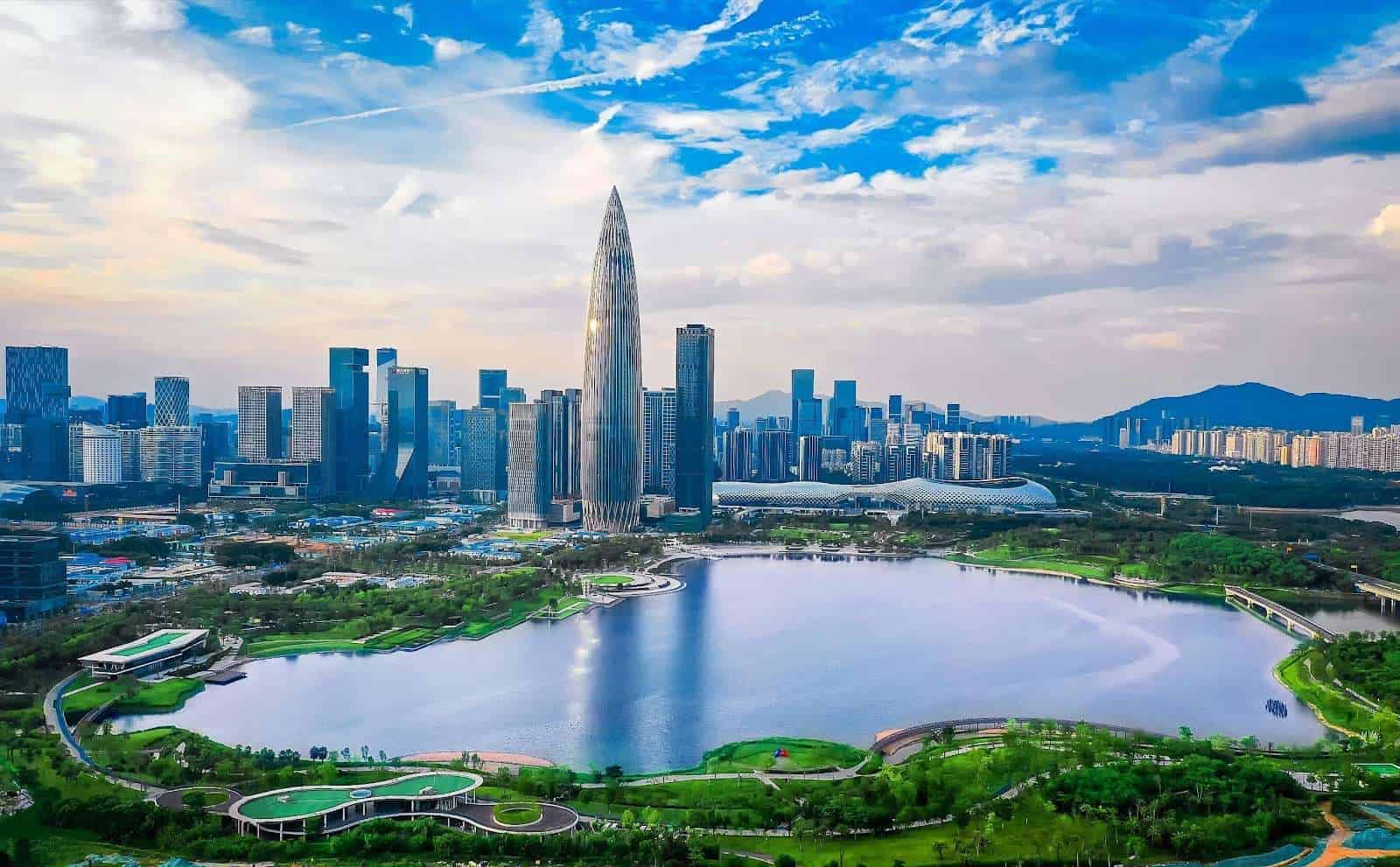
- Why it’s great: Shenzhen is a city of innovation, not only attracting entrepreneurs, but also engineers and creatives from around the world. In addition, its proximity to Hong Kong makes it a strategic location for business.
- For locals: Usually, Shenzhen offers a high living standard with modern amenities, green spaces, and a young, energetic population.
- Drawbacks: The city lacks the historical charm of other Chinese cities, moreover, the cost of living is rising rapidly.
- Average Living Cost/Person: $590 (¥4,270) without rent.
4. Chengdu: The Laid-Back Gem
Chengdu, the capital of Sichuan Province, is famous for its spicy cuisine, including mapo tofu and kung pao chicken, and its adorable pandas. The city has a relaxed vibe with teahouses where locals enjoy jasmine tea and mahjong, reflecting the leisurely lifestyle of southwestern China. All in all, surrounded by lush nature and rich heritage, Chengdu merges culinary delights with tranquility.
Meanwhile, with rich nature and heritage, Chengdu has become one of the tourism cities; this creates opportunities in the tourism and hospitality industry, education industry, and cultural and creative industry.
In Chengdu’s tourism and hospitality industry, salaries for tourism managers typically range from ¥15,000 to ¥28,000 ($2,100 to $3,900) per month, while hotel general managers earn around ¥30,000 to ¥60,000 ($4,200 to $8,400) per month.
If you are experienced and love delving into the cultural and creative industry, the potential salary for UX/UI designer, digital marketing specialist, social media manager, or content writer ranges from ¥15,000 to ¥30,000 ($2,100 to $4,200) per month.

- Why it’s great: Chengdu’s affordable cost of living, friendly locals, and vibrant food scene make it a favorite among expats and locals alike. The city is also a gateway to stunning natural landscapes, such as Jiuzhaigou Valley and Mount Emei.
- For locals: Chengdu is known for its teahouse culture, Sichuan opera, and emphasis on work-life balance.
- Drawbacks: While Chengdu is developing rapidly, it may not offer the same level of international exposure as Shanghai or Beijing.
- Average Living Cost/Person: $500 (¥3617) without rent
5. Hangzhou: The Scenic Paradise
Often called “heaven on earth,” Hangzhou is famous for its natural beauty, especially the picturesque West Lake, framed by lush mountains and historic pagodas. As a UNESCO World Heritage site, it showcases the city’s rich history with ancient temples and tea plantations. At the same time, Hangzhou blends this heritage with modernity, highlighted by its vibrant economy and flourishing tech scene.
Hangzhou’s tech industry, supported by Alibaba and other emerging companies, which drives the country’s enterprise development of the green industry, and also provided opportunities with competitive salaries in the e-commerce and IT industry.
As an E-commerce manager or E-commerce marketing analyst, you can earn around ¥16,000 to ¥36,100 ($2,200 to $4,900) per month. A project manager can expect around ¥13,500 ($1,800) per month.
Keep in mind that in Hangzhou, the IT industry might offer a higher salary. For an instance, a software developer can expect to earn ¥25,000 to ¥60,000 ($3,400 to $8,200) per month, whereas IT managers/directors potentially earning between ¥50,000 and ¥100,000 ($6,800 to $13,700) per month.

- Why it’s great: Hangzhou offers a slower pace of life compared to Shanghai or Beijing, making it ideal for families and retirees. The city is also a tech hub, home to Alibaba’s headquarters.
- For locals: Hangzhou’s rich history, beautiful landscapes, and high quality of life make it a desirable place to live.
- Drawbacks: The city’s popularity has led to rising housing prices, and it may feel too quiet for those seeking a bustling urban environment.
- Average Living Cost/Person: $557 USD (¥4,027.2) without rent
6. Guangzhou: The Southern Gateway
Guangzhou is the capital of Guangdong Province and an important business center in southern China. It is well-known for its delicious Cantonese food, such as dim sum and roast duck. The city has lively markets, such as Shangxiajiu Pedestrian Street, where visitors can shop and enjoy street food. In addition, key landmarks such as the Canton Tower offers great views, and historic sites like the Six Banyan Trees Temple and the Chen Clan Ancestral Hall shows the city’s rich culture and beautiful architecture.
As a result, Guangzhou’s role as a trade hub makes it ideal for expats in the logistics industry, and finance and management industries.
The average salary for a logistics analyst, and operations and logistics manager is around ¥14,300 ($2,000) per month, with entry-level positions earning around ¥128,366 ($18,100) a year and senior-level reaching ¥211,354 ($29,800) a year.
On another hand, an entry-level finance manager can expect an estimated total pay of ¥ 10,000 to ¥18,000 ($1,400 to $2,500) per month, and up to ¥48,000 ($6,700) per month for a senior-level manager.

- Why it’s great: Guangzhou offers a lower cost of living compared to Shanghai or Beijing while still providing ample career opportunities. The city’s warm climate and proximity to Hong Kong and Macau are additional perks.
- For locals: Guangzhou is a city of opportunity, with a strong economy and a rich cultural scene.
- Drawbacks: The humid climate and, of course, the language barrier (Cantonese is widely spoken) can be challenging for newcomers.
- Average Living Cost/Person: ¥570 (¥4,124.6) without rent
7. Xiamen: The Coastal Haven
Xiamen is a beautiful coastal city in Fujian Province known for its fresh air and stunning beaches. Additionally, it features soft golden sands and clear blue waters, attracting visitors for relaxation and water sports. With a laid-back lifestyle, the city also offers delicious seafood, lively night markets, and historic sites like Gulangyu Island. Xiamen can be said to be a perfect blend of relaxation and culture. Furthermore, Xiamen’s focus on environment sustainability and tourism creates opportunities for expats in these fields.
A travel consultant in Xiamen will typically earn around ¥11,800 to ¥21,900 per month, whereas an average travel clerk can expect around ¥49 ($7) per hour.
Environmental specialist job include the manager of environmental sustainability, manager or responsible sourcing, and the ecological engineer. Moreover, those in these industry can expect ¥10,400 ($1,400) per month, while the average salary is around ¥8,700 ($1,200) per month.

- Why it’s great: Xiamen provides not only high quality of life, but also emphasizing sustainability and environmental preservation. The city’s Gulangyu Island is a UNESCO World Heritage Site and a major tourist destination.
- For locals: Xiamen is a popular destination for domestic tourists and retirees, thanks to its pleasant climate and scenic beauty.
- Drawbacks: Smaller job market compared to larger cities, and the rising living cost due to its popularity.
- Average Living Cost/Person: $556 (¥4,027.2)
China’s diverse cities provide something special for everyone! Whether you’re drawn to the lively energy of Shanghai, the rich history of Beijing, or the laid-back charm of Chengdu, you’ll find a spot that feels just right. For expats, opportunities for career growth, building international friendships, and overcoming language barriers play a big role in their decisions. Meanwhile, locals often consider family ties, cultural familiarity, and how well public services meet their needs.
Living in China offers a wonderful chance to dive into one of the world’s most dynamic and engaging countries. So, pack your essentials, brush up on your Mandarin, and get ready to thrive in the Middle Kingdom!
What’s your favorite city in China? Share your thoughts in the comments below!