
Your Roadmap to Study Abroad in China
Your Roadmap to Study Abroad in China (2026-2027)

China offers world-class education and a unique cultural journey. Over half a million international students already choose to study in China each year. Whether you want a full-time degree, a short-term language course, or a semester abroad, this guide covers everything.
Why Study Abroad in China
– Globally ranked universities – many science and technology leaders teach in English
– Very low costs – tuition is often $2,000–$5,000 per semester
– True cultural immersion – learning Chinese happens naturally every day
– Strong career boost – build a network in the world’s second-largest economy
Best Universities in China for International Students
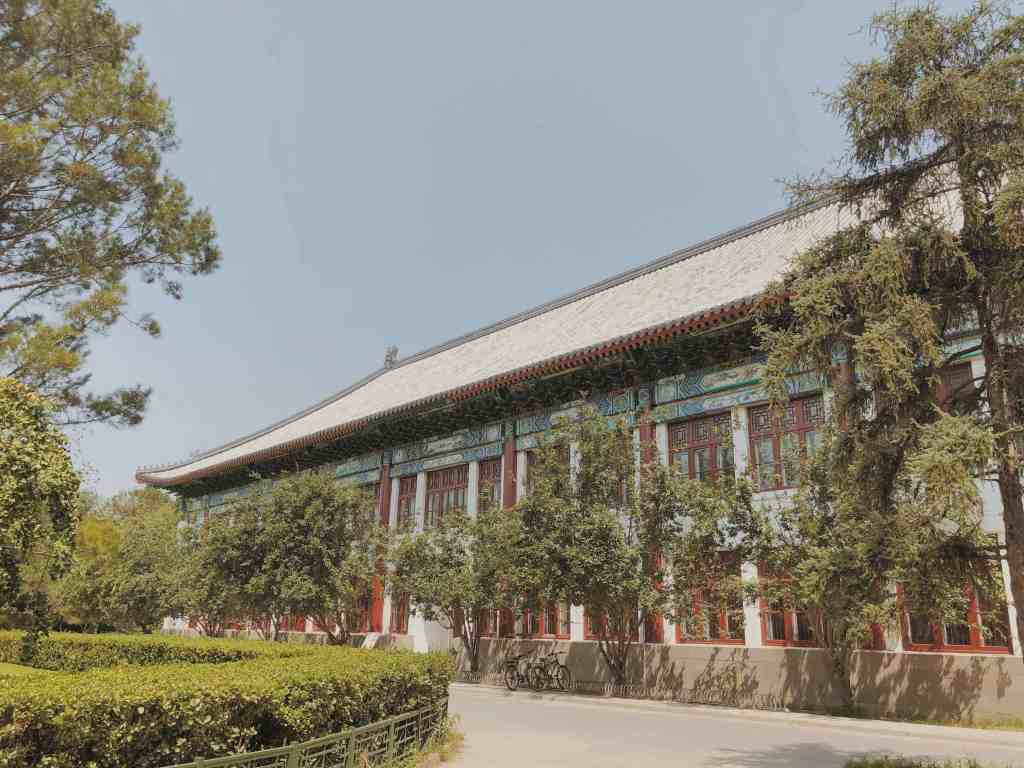
These institutions are consistently universities ranked among the best in Asia. They are just a few of the best universities in China for international students:
- Tsinghua University – a powerhouse in engineering and computer science
- Peking University – outstanding for law, humanities, and social sciences
- Fudan University – a top pick for medicine and international business
- Zhejiang University – a leading research university with a lively campus
- Shanghai Jiao Tong University – renowned for innovation and technology
Take a look at ApplyforChina’s complete ranking of the Best Universities in China: Guide for International Students and start comparing your options.
Future-Focused Fields: What’s New to Study in China
Study in China isn’t just about traditional strengths anymore. A 2026 report from the Xinhua Institute reveals that Chinese universities are rapidly launching programs in high-demand emerging disciplines, giving international students a direct path to the jobs of tomorrow.
What makes these programs special? China isn’t just teaching these subjects. It’s genuinely leading them on the global stage.
- Artificial Intelligence and Big Data
China is a recognized global leader in AI, and universities are weaving these skills into engineering, finance, and healthcare programs.
Beihang University now offers a dedicated Master’s Program of Artificial Intelligence and Big Data through the prestigious Chinese Government Scholarship Scheme, covering IoT perception, data science, and intelligent computing. This isn’t just learning theory; it’s learning from the country shaping AI’s future. - New Energy Science and Engineering
With the world’s largest renewable energy sector, China offers specialized programs you won’t easily find elsewhere.
The University of Science and Technology Beijing (USTB) now lists “New Energy Science and Engineering” as a dedicated undergraduate major for international students, alongside Environmental Engineering taught in English . If you want to work in green energy leadership, there’s arguably no better place to learn. - Global Governance and AI Ethics
China is also becoming a hub for shaping the rules of emerging technology.
In April 2026, the United Nations University and Tsinghua University launched a joint AI ethics research hub to develop governance standards and run graduate programs. Tsinghua also runs a specialized Global Governance master’s program (MIA-GG) focused on AI governance and international affairs, training future leaders for global organizations.
Here’s the shift in simple terms: international students used to come to China and study what was available. Now, as the Xinhua report puts it, you come to “study exactly what you seek”.
Real Student, Real Impact
Marc Yeo Zhi Yii, a Malaysian student at Tianjin University’s School of Marine Science and Technology, said it best:
“China’s emerging engineering education has taught me to synthesize marine theory with AI and big data analytics”.
His program, designed specifically for ASEAN marine industry needs, shows how Chinese universities now build degrees tailored to real-world regional demands, not just textbook knowledge.
That interdisciplinary edge, combining a core field like marine science with AI, is what makes a China university application such a smart move right now. You come out with skills that sit at the intersection of disciplines, exactly what global employers are hunting for.
China Study Abroad Programs That Fit Your Goals

China study abroad programs come in many forms. You’ll find the right fit whether you need a full degree or a short-term experience.
- Semester or year-long exchanges – deep academic and cultural integration
- Summer intensives – fast progress in learning Chinese and exploring cities
- Full-time degree programs – bachelor’s, master’s, PhD
- Programs that include internships – gain real work experience
- U.S.-style joint universities – earn an American-accredited degree in China
Each study abroad program offers a different mix of language, travel, and study. Many program participants tell us the daily exposure to Chinese language and culture is the most valuable part.
How to Apply for a Study Abroad Program in China
The application journey doesn’t have to be confusing. Here’s exactly how to apply for a study abroad program in China:
1. Choose your university and program – use our program finder
2. Meet admission requirements – prepare your transcripts, passport, and language scores
3. Submit your documents – personal statement, recommendation letters
4. Receive your admission letter and JW202 form – needed for the visa
5. Apply for a student visa – X1 for long stays, X2 for short stays
For a full checklist and timeline, read our detailed walkthrough on How to Apply to Chinese Universities.
Scholarship Opportunities for Studying in China
You can significantly reduce costs. Every year, the Chinese government and leading universities set aside generous funding specifically for international students. Scholarships can cover your tuition, accommodation, a monthly living stipend, and health insurance — essentially a fully funded journey to China. Here are the main scholarship opportunities for studying in China that you should explore:
- Chinese Government Scholarship (CSC) – covers tuition, housing, living stipend, and insurance
- University-based scholarships – many top schools offer full or partial awards
- Confucius Institute Scholarship – ideal for language students
- Belt and Road scholarships – for students from participating regions
Don’t miss a chance – explore our Chinese University Scholarships: 2026 Ultimate Guide and apply early.
Requirements for International Students to Get Admission in Chinese Universities
The requirements for international students to get admission in Chinese universities usually include:
- Valid passport
- High school diploma or bachelor’s degree (for graduate applicants)
- Academic transcripts
- English proficiency (IELTS/TOEFL) or HSK for Chinese-taught programs
- Personal statement and recommendation letters
- Physical examination record
The Chinese Ministry of Education sets the basic rules, but every university in China may ask for a few extra documents. Always check the official website of the Chinese university you are targeting. Our admission requirements page breaks it down by study level.
Your China Student Visa
Once admitted, you must get a student visa. China issues an X1 visa for full-time programs longer than 180 days, and an X2 visa for short-term stays.
- Online application (COVA) – fill in the form and upload your photo
- In-person submission – bring your passport, admission notice, JW201/JW202 form, and physical exam record to the Chinese embassy or consulate
Get a head start with our China Student Visa (X1 & X2): Differences and Application Guide. Good preparation saves time.
Life as a Foreign Student / International Student in China
Everyday life for foreign students / international students in China is an adventure. These tips help you settle in quickly.
- Learn basic Mandarin – a few phrases open doors everywhere
- Open a local bank account – you need it for daily spending
- Use WeChat – it’s the all-in-one app for messaging, payments, and more
- Travel on weekends – high-speed trains take you to ancient towns and famous landmarks
- Connect with locals – language exchanges and hobby clubs make your stay richer
China in 2026 is modern, connected, and incredibly welcoming to students from all over the world.
Ready to Begin?
Choosing to study in China means building a global future. When you’re ready to start your China university application, reach out to our team. We’ll guide you to the perfect university. Begin your journey at ApplyforChina.com
Frequently Asked Questions
Top choices include Tsinghua University, Peking University, and Fudan University. View our full ranking list for more details.
Yes. Many programs in China are taught entirely in English. Basic Chinese language skills will make daily life easier.
Tuition usually ranges from $2,000 to $5,000 per semester. Living costs are low, and scholarship opportunities for studying in China can cover all major expenses.
Choose a university, prepare your documents, submit your application, accept your offer, and apply for a visa. Our step-by-step guide has full details.
China is generally safe, with low violent crime rates. Take normal precautions and stay informed.
You’ll need an X1 visa for programs longer than 180 days and an X2 visa for shorter courses. The Chinese embassy issues both.
Part-time work is possible with university permission. Always check your visa rules first.
Begin 6–12 months before your intended start date. This gives you time for scholarships, documents, and visa processing.