
Best Computer Science Universities in China
China is now one of the world’s leading tech hubs, with breakthroughs in AI, 5G, and quantum computing. If you’re looking at the best colleges for computer science outside the US or UK, China belongs on your list. This guide covers the top 5 universities, their rankings, tuition, scholarships, and the wider tech ecosystem you’ll be stepping into.
Quick Answer: What Are the Best Colleges for Computer Science in China?
The best colleges for computer science in China are Tsinghua, Peking, Zhejiang, USTC, and Shanghai Jiao Tong University (SJTU). Tsinghua stands out: U.S. News ranks it #1 in the world for computer science, ahead of Carnegie Mellon, MIT, and Stanford. All five schools belong to China’s C9 League, the country’s top tier of research universities.
Top 5 Computer Science Universities in China (2026 Rankings)
| China CS Rank (US News) | University | City | QS CS Subject Rank (Global) | Avg. Annual Tuition (USD) |
| 1 | Tsinghua University | Beijing | #11 | $4,000–$6,000 |
| 2 | Peking University | Beijing | #16 | $3,500–$6,000 |
| 3 | Zhejiang University | Hangzhou | #34 | $3,500–$6,500 |
| 4 | University of Science and Technology of China (USTC) | Hefei | #82 | $3,500–$5,500 |
| 5 | Shanghai Jiao Tong University | Shanghai | #30 | $4,000–$7,000 |
SJTU scores best on QS but ranks lower on US News. U.S. News weighs research citations more heavily; QS blends in reputation surveys. Both are valid — we’ve included both for context.
1. Tsinghua University – Beijing

Tsinghua leads China in computer science. Founded in 1911, it sits in Zhongguancun, known as China’s “Silicon Valley.”
- Known for: AI, machine learning, and security research through its Department of Computer Science and Technology
- Language: English and Chinese programs available
- Tuition: $4,000–$6,000 USD per year
- Scholarships: Schwarzman Scholars, Tsinghua Scholarships, CSC
Tsinghua’s location in Zhongguancun gives students direct access to ByteDance, Baidu, and hundreds of AI startups within walking distance of campus.
2. Peking University — Beijing
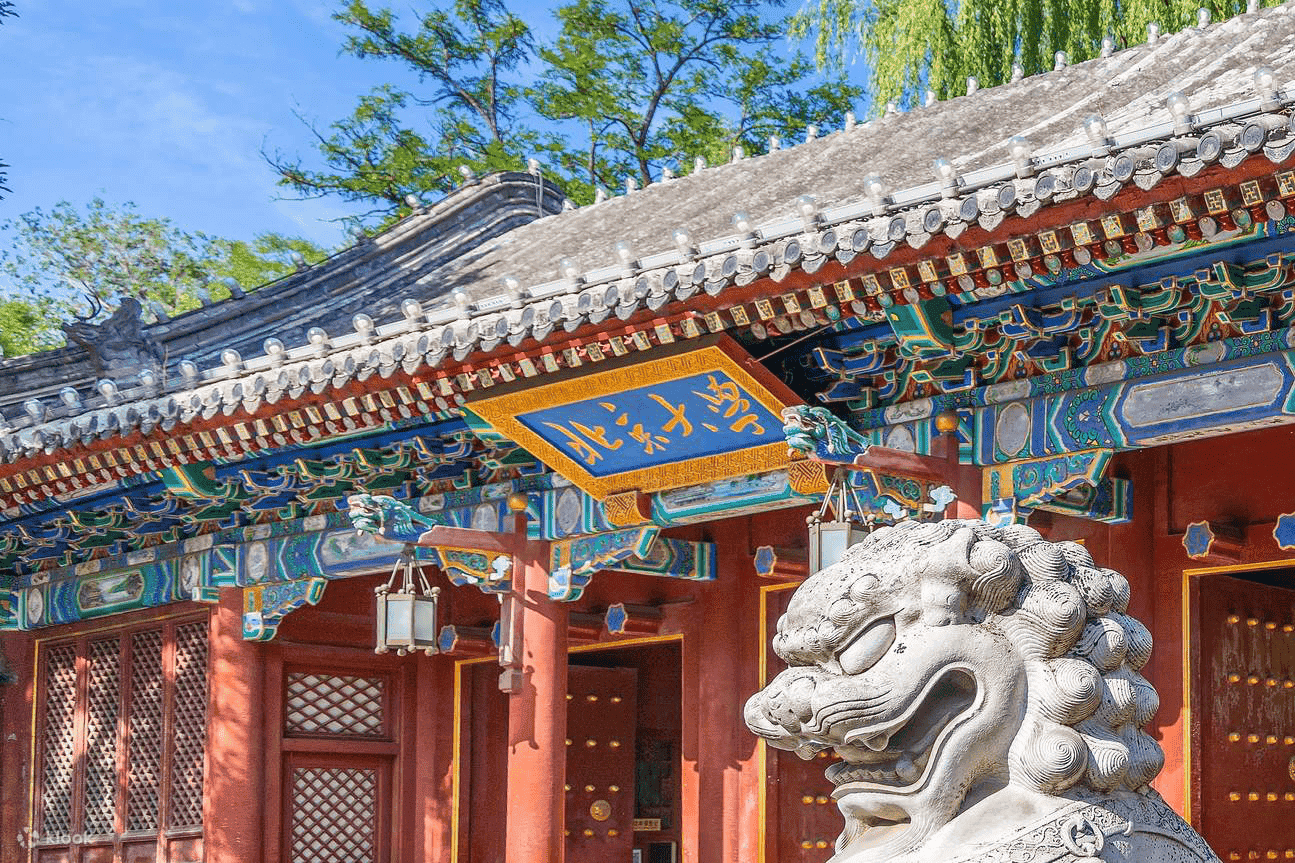
Founded in 1898, Peking University (PKU) blends liberal arts with advanced CS research. Its School of Electronics Engineering and Computer Science (EECS) is among China’s oldest and most respected.
- Known for: Natural language processing, computational theory, and algorithms
- Language: Mostly Chinese-taught, with some English programs
- Tuition: $3,500–$6,000 USD per year
- Scholarships: Yenching Academy, CSC, other international awards
PKU sits adjacent to Zhongguancun and has long-standing ties to China’s government research bodies — a strong choice for students interested in tech policy or AI governance.
3. Zhejiang University – Hangzhou
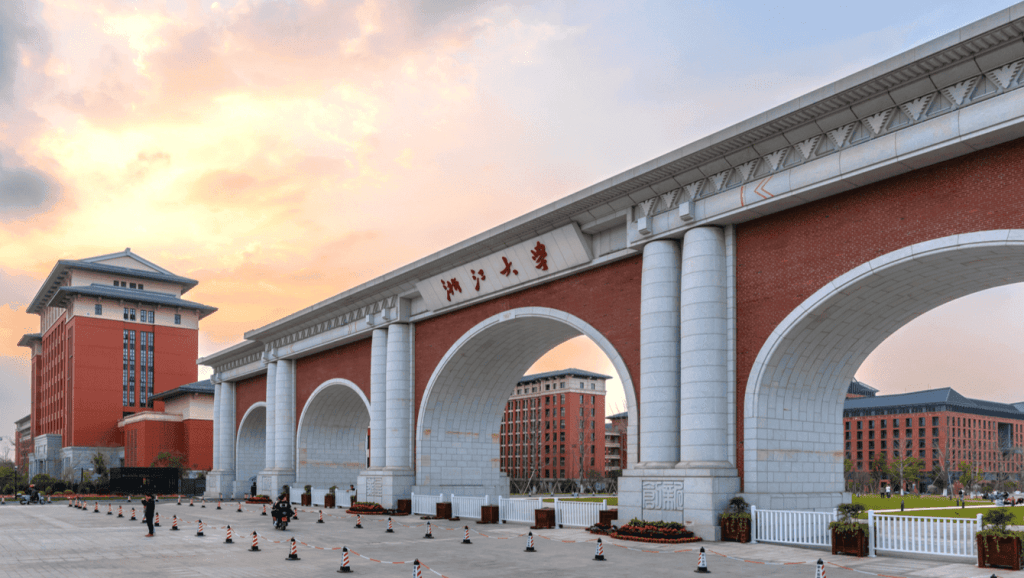
Founded in 1897, Zhejiang University (ZJU) sits in Hangzhou, home to Alibaba’s global headquarters. Its College of Computer Science and Technology focuses on intelligent systems, cloud computing, and data science.
- Known for: AI, cloud computing, and data science
- Language: Chinese and English, across Bachelor’s, Master’s, and PhD levels
- Tuition: $3,500–$6,500 USD per year
- Scholarships: CSC, ZJU Scholarships, Hangzhou Government Scholarship
After Alibaba donated its quantum computing lab and equipment to Zhejiang University in 2023, the university’s research capacity in quantum and AI grew significantly.
4. University of Science and Technology of China (USTC) — Hefei
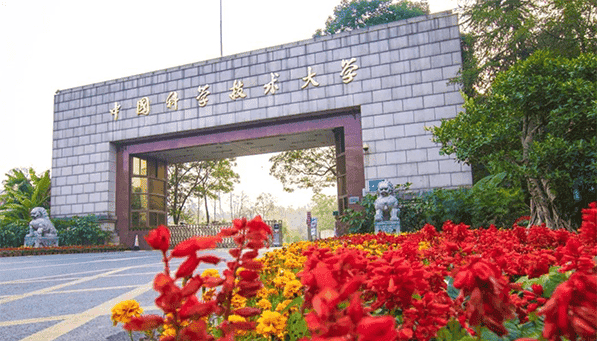
The Chinese Academy of Sciences founded USTC in 1958 to train China’s top scientific talent. It runs two national laboratories on campus — unique among Chinese universities.
- Known for: Quantum computing (Jiuzhang and Zuchongzhi processors), AI research, with one of China’s highest research citation rates
- Language: Mostly Chinese-taught, with some English graduate programs
- Tuition: $3,500–$5,500 USD per year
- Scholarships: USTC Fellowship, CSC, CAS-ANSO Scholarship
USTC ranks #1 globally in quantum physics research output on the 2025 Nature Index — nearly double its closest rival.
5. Shanghai Jiao Tong University – Shanghai
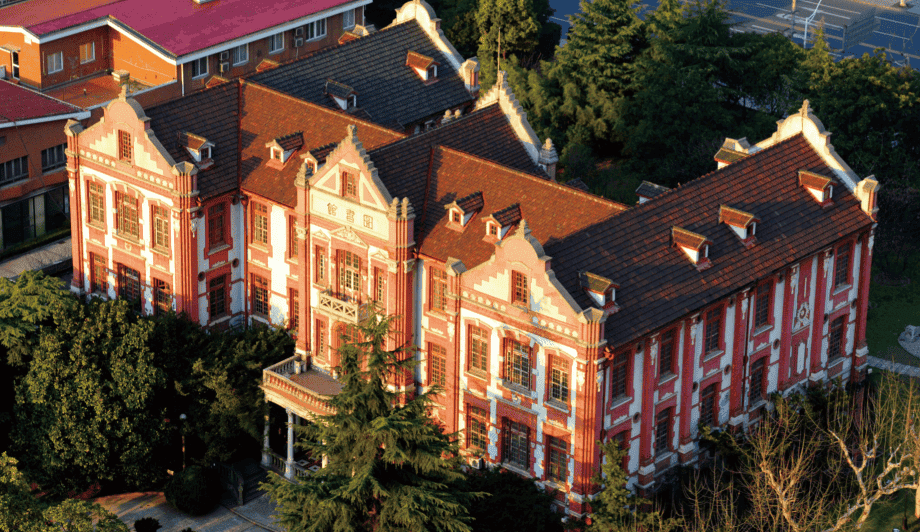
SJTU was founded in 1896 as one of China’s first modern universities. Its School of Electronic Information and Electrical Engineering stands out in robotics, software engineering, and systems networking.
- Known for: Robotics, software engineering, and systems networking — the best QS subject score of all five schools
- Language: Chinese and English courses, with double-degree options
- Tuition: $4,000–$7,000 USD per year
- Scholarships: Shanghai Government Scholarship, SJTU Scholarships, CSC
Shanghai Jiao Tong University sits in Shanghai, China’s financial center, with close ties to both domestic and international tech firms.
Affiliated Research Institutions and University Partnerships
A key reason to study CS at these five schools is their access to affiliated labs and partnerships — resources most universities worldwide can’t match.
| University | Affiliated Research Body | Focus |
| Tsinghua | MIT partnership; Zhongguancun National Lab | AI, quantum, global research |
| Peking University | National Development and Reform Commission ties | Tech policy, AI governance |
| Zhejiang University | Alibaba DAMO Academy; ZJU-Alibaba Joint Lab | Cloud, AI, quantum (post-2023 donation) |
| USTC | CAS Key Lab for Quantum Information; Hefei National Lab; Origin Quantum (spinout) | Quantum computing, photonics |
| SJTU | COMAC; joint labs with MIT and CMU | Robotics, systems, aerospace CS |
These partnerships give students direct access to research equipment, joint PhD supervision, and internship pipelines into some of China’s most important organizations.
How to Choose Between These 5 Universities
All five are strong, but each suits a different goal.
| If you want… | Choose | Why |
| The strongest brand name and broad AI/ML research | Tsinghua | #1 in the world for CS (US News) |
| Tech + humanities, or policy-adjacent research | Peking University | Strong theory, ties to government research |
| Startup ties and Alibaba’s quantum/AI ecosystem | Zhejiang University | Hangzhou tech corridor + Alibaba lab donation |
| Quantum computing research at the highest level | USTC | #1 globally for quantum physics output (Nature Index) |
| The top QS score and a finance-hub city | Shanghai Jiao Tong | Best QS rank, strong Shanghai job market |
Budget note: USTC and Peking cost least; SJTU costs most. Tsinghua and Zhejiang offer the widest range of English-taught Bachelor’s options.
Beyond the Rankings: Why China’s CS Ecosystem Is Different
These five universities don’t just rank well — they sit inside an ecosystem that most countries can’t replicate. Here’s what makes studying CS in China genuinely distinct.
China’s Tech Industry: The Companies You’ll Work With
China’s biggest tech firms aren’t just employers — many are direct research partners with the universities above.
| Company | Headquarters | Key CS Focus Areas |
| Alibaba | Hangzhou | Cloud computing, AI, e-commerce systems |
| Tencent | Shenzhen | Social platforms, gaming, fintech |
| Huawei | Shenzhen | 5G, chips, networking hardware |
| Baidu | Beijing | AI, autonomous vehicles, search |
| ByteDance | Beijing | Recommendation algorithms, machine learning |
| Xiaomi | Beijing | Smart devices, IoT, embedded systems |
Zhejiang University sits in the same city as Alibaba. Tsinghua and Peking are minutes from Baidu and ByteDance’s Beijing offices. For students who want internships and research partnerships with major tech firms, geography matters — and China’s top CS schools are well placed.
How China’s Computing Technology Has Evolved
China’s path in computing followed a clear arc: adapt, improve, then lead.
In the 1980s and 1990s, Chinese universities focused on applying foreign software and building domestic infrastructure. By the 2000s, Alibaba and Tencent started producing genuinely new platforms. By the 2010s, China was producing world-class AI research. Today, it leads or competes at the top in several key areas:
- Artificial intelligence: Tsinghua is #1 in the China for CS, driven by AI and machine learning research
- 5G infrastructure: Huawei supplies networks across more than 170 countries
- Quantum computing: USTC’s research is among the most cited in the world
- Supercomputing: China has produced multiple top-ranked supercomputers over the last decade
Popular Coding Languages Used in China
China’s tech industry runs on the same languages used globally, with a few notable preferences:
- Python — top choice for AI and data science at Baidu, Alibaba, and ByteDance
- Java — backend systems and enterprise software at Alibaba and Tencent
- C++ — systems work, game development (Tencent), and embedded hardware (Huawei)
- Go (Golang) — growing fast at ByteDance and Alibaba’s cloud division
- Rust — emerging in security and systems work at Huawei
All five universities teach core programming in Python, C++, and Java. Advanced tracks cover Go, distributed systems, and frameworks like PyTorch and PaddlePaddle (Baidu’s open-source AI framework).
Computer Science Requirements for International Students
Requirements vary by school and degree level. Most programs ask for:
- A senior high school diploma (Bachelor’s) or a related degree (Master’s or PhD)
- A solid math base — calculus, linear algebra, and statistics
- Some experience with Python, Java, or C++ (not always required at Bachelor’s level)
- IELTS or TOEFL for English-taught programs, or HSK for Chinese-taught ones
- Application form, transcripts, personal statement, recommendation letters, and passport copy
One change for 2026: some universities now ask undergraduate applicants for a China Scholastic Competency Assessment (CSCA) score.
Apply for China can help you check whether you meet each school’s requirements.
Computer Science Scholarships in China
A scholarship can cover most — or all — of your costs in China.
| Scholarship | Coverage | Best For |
| Chinese Government Scholarship (CSC) | Full or partial tuition, housing, and a monthly stipend | All five universities |
| Schwarzman Scholars + Yenching Academy | Full funding for Master’s programs | Tsinghua and Peking University |
| School-specific awards (ZJU, SJTU, USTC Fellowship, CAS-ANSO) | Partial to full tuition waivers | Awarded directly by each school |
| Provincial scholarships (Shanghai, Hangzhou) | Partial tuition and living support | SJTU and Zhejiang students |
The CSC is funded by China’s Ministry of Education. Apply early — deadlines usually run December to March for September entry.
Cost of Living by City
| City | Est. Monthly Cost (USD) |
| Beijing (Tsinghua, Peking) | $450–$650 |
| Shanghai (SJTU) | $450–$700 |
| Hangzhou (Zhejiang) | $350–$550 |
| Hefei (USTC) | $250–$400 |
A full CSC stipend (¥2,500–¥3,500/month) covers most of this, especially in Hangzhou or Hefei.
Career Opportunities for Computer Science Graduates
In China:
- Entry-level roles at local firms: ¥120,000–¥250,000/year (~$16,000–$35,000)
- Roles at Huawei, Alibaba, and ByteDance: ¥250,000–¥400,000+ for new graduates
- PhD holders often move into government-backed quantum and AI research roles
Globally:
- Many graduates join Google, Microsoft, Amazon, and Apple
- Quantum computing graduates from USTC are among the most sought-after worldwide for research roles
- Common roles: software engineer, AI researcher, data scientist, security analyst
Beyond the Top 5: Other Strong CS Schools in China
Fudan University (Shanghai) — Strong AI program through its AI+X initiative. Ranked 39th in the 2025 QS World Rankings.
Nanjing University (Nanjing) — Solid CS research, lower living costs than Beijing or Shanghai.
Harbin Institute of Technology (Harbin) — C9 League member known for robotics and aerospace-linked CS.
Ready to Study Computer Science in China?
China’s top CS universities sit inside one of the world’s most active research and industry ecosystems. Whether your goal is AI research, quantum computing, or a role at one of China’s tech giants, these five schools offer the access and programs to make it happen.
Apply for China today, and we’ll help you find the right program and guide you through your application.
Frequently Asked Questions
Tsinghua, Peking, Zhejiang, USTC, and SJTU — based on U.S. News’ Best Global Universities rankings for Computer Science in China
Yes, on U.S. News. It ranks ahead of Carnegie Mellon, MIT, and Stanford. QS ranks it #11 globally — both systems are valid, just weighted differently.
USTC. It produced Jiuzhang and Zuchongzhi, ranks #1 globally in quantum physics output on the Nature Index, and directly spun out Origin Quantum.
Python, Java, and C++ are most common. Go is growing fast at ByteDance and Alibaba. Huawei uses Rust for systems and security work.
Yes. Tsinghua and Zhejiang offer the widest range of English-taught programs. USTC and Peking have limited English options, mainly at Master’s and PhD level.
Yes — CSC, school-specific awards, and provincial scholarships. See our Chinese University Scholarships guide.
Alibaba with Zhejiang; Baidu and ByteDance near Tsinghua and Peking; Origin Quantum spun out of USTC; COMAC and MIT/CMU at SJTU.