Central Academy of Fine Arts (CAFA)
Pekín, China
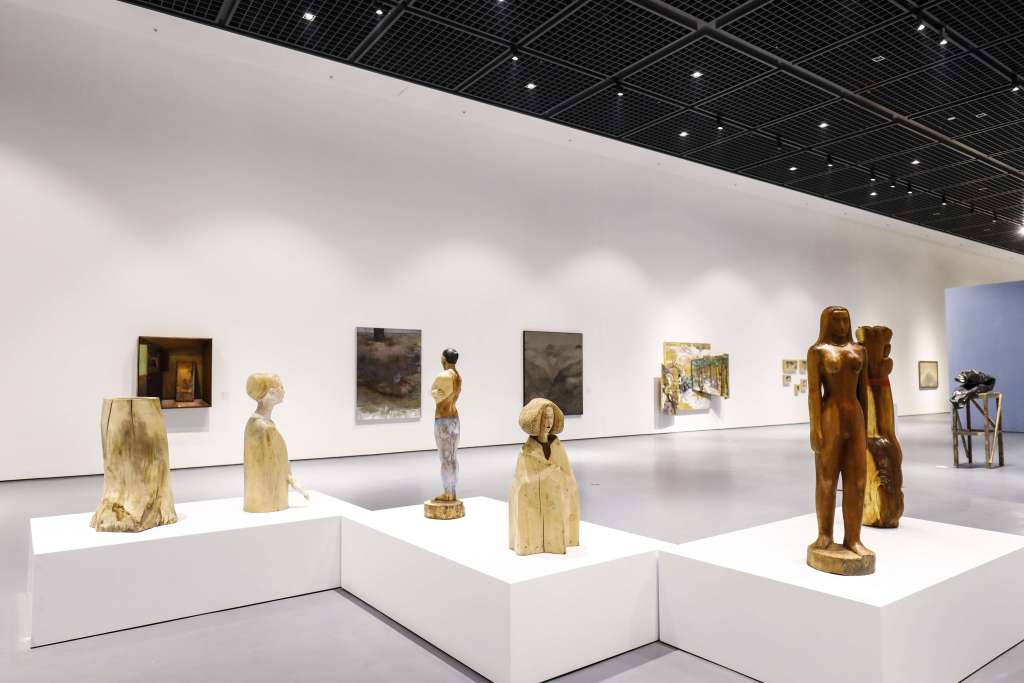
The Central Academy of Fine Arts (CAFA) is China’s premier specialist art university, located in Beijing. It offers programs in fine arts, design, architecture, art history, restoration, and experimental art.
Students searching for Central Academy of Fine Arts Beijing, Beijing Central Academy of Fine Arts, or CAFA Beijing are all looking for the same prestigious institution. Among China’s educational institutions and arts academies, CAFA stands out for its excellence in visual arts, national art, and art and design education.
For help comparing programs and preparing applications, visit Study in China.

About Central Academy of Fine Arts
CAFA traces its origins to the National School of Fine Arts in Beijing, founded in 1918. The university adopted its current name in 1950.
Its academic fields include Chinese painting, calligraphy, sculpture, design, fashion design, digital media, architecture, experimental art, art management, and restoration. Most degree programs are taught in Chinese, so international applicants need strong Chinese language skills.

Requisitos de admisión
Requisitos de admisión
International bachelor’s applicants generally need:
- Passport, high school diploma, and transcripts
- Nationality documents
- HSK certificate (Level 5 or above for 2026)
- CSCA score report (Mathematics and Humanities Chinese)
- Professional art examination at CAFA’s Beijing campus
Most undergraduate programs take four years. Architecture and sculpture take five.
Requisitos de admisión para postgraduados
Master‘s degree applicants normally need:
- Una licenciatura
- HSK Level 5 or 6,
- Portfolio
- Paper or research plan
Doctoral applicants typically need:
- A master’s degree
- HSK Level 5
- Cartas de recomendación
- Academic work and a detailed research proposal
Studio applicants submit artwork portfolios; theory-based applicants focus more on academic writing and conducting research.
Top Programs and Global Rankings
CAFA’s strongest areas include fine arts, Chinese painting, calligraphy, sculpture, the School of Design, architecture, experimental art, art management, and restoration.
This academy of fine arts suits students seeking focused art and design school training rather than a broad university education. Students comparing CAFA with institutions like the Massachusetts College of Art and Design should consider teaching language, portfolio requirements, and cost.
Clasificaciones mundiales
CAFA ranks #14 worldwide for Art and Design in the QS World University Rankings by Subject 2026. This is an improvement from #21 in 2025.
ShanghaiRanking also places Fine Arts and Calligraphy at #2 nationally, Art Studies at #7, Design at #10, and Architecture at #27 in its displayed subject results. ShanghaiRanking’s current CAFA profile lists several highly rated majors:
| Major | Rating | China rank |
| Experimental Art | A+ | #1 |
| Sculpture | A+ | #1 |
| Fine Arts | A+ | #1 |
| Intangible Cultural Heritage Protection | A+ | #1 |
| Public Art | A+ | #2 |
| Painting | A+ | #2 |
| Art Management | A+ | #2 |
| Calligraphy | A+ | #3 |
| Visual Communication Design | A+ | #7 |
| Product Design | A+ | #8 |

Tasas de matrícula, becas y ayudas económicas
Tasas de matrícula para estudiantes universitarios
The 2026 international undergraduate tuition fee was:
- RMB 52,000 per academic year
A five-year architecture or sculpture program would cost more.
Tasas de matrícula de posgrado
2026 annual tuition:
- Academic master’s degree: RMB 60,000 per year
- Professional master’s degree: RMB 60,000 per year
- Doctoral degree: RMB 68,000 per year
The university may revise its fees for future intakes. Applicants should use the amount only as a current reference. Students should also budget for art materials and off-campus housing.
Becas
CAFA’s official international information states that it accepts applicants who have obtained a Chinese Government Scholarship, also called the CSC Scholarship. Students must follow the scholarship route’s separate requirements and deadlines.
However:
- The 2026 international degree guides do not promise automatic funding.
- Not every department may have a scholarship quota each year.
- Scholarship admission may follow a different timeline from self-funded admission.
- Applicants should confirm whether CAFA is available under their country’s embassy route or another CSC category.
Applicants can also explore Chinese University Scholarships: 2026 Ultimate Guide before preparing their funding plan.
Application Deadlines & Intake
CAFA’s current international admission notices cover the 2026 intake. The application periods for bachelor’s, master’s, and doctoral programs have closed.
| Program | 2026 Application Period |
|---|---|
| Undergraduate | April 1–30, 2026 |
| Master’s degree | April 1–5, 2026 |
| Doctoral degree | April 24–30, 2026 |
| International foundation program | March 16–August 20, 2026 |
The foundation program begins in September 2026 and finishes in June 2027.
As of July 10, 2026, CAFA has not published its 2027 international degree admission guides. Future applicants should monitor the official admissions page and prepare their HSK results, academic documents, CSCA scores, and portfolio early.

Instalaciones del campus
CAFA’s main campus is in Beijing’s Chaoyang District. The university also operates specialist teaching spaces and other campuses for different academic activities.
Student Accommodation
For the 2026 intake, international degree students were required to arrange off-campus housing. Budget for rent, deposits, and transport when planning to live in Beijing.
Dining Services
International applicants should confirm current dining access, campus-card payment procedures, opening hours, and dietary arrangements during registration.
Beijing also offers many off-campus food options. Students with allergies or strict religious dietary needs should learn the relevant Chinese terms before arrival.
Library
CAFA’s official institutional profile reports that its specialist art library holds nearly 400,000 books.
Sports Facilities
CAFA’s official profile lists gyms and multimedia classrooms among its teaching and student facilities. Its campus is designed mainly around studios, workshops, laboratories, exhibitions, and creative production.
Research Centers
CAFA provides:
- Professional art workshops
- Laboratories
- Research institutes
- Exhibition spaces
- The CAFA Art Museum
- Specialist department resources
- Visual arts research and innovation platforms
CAFA Art Museum
The Central Academy of Fine Arts Museum—also searched as the art museum of China Central Academy of Fine Arts—is widely known as the CAFA Art Museum. It presents exhibitions, collections, student work, and national art projects while supporting teaching and creative exchange.
For personalised guidance, Book a free consultation with Apply For China — we handle the whole process for you.

Información sobre la ciudad y la zona
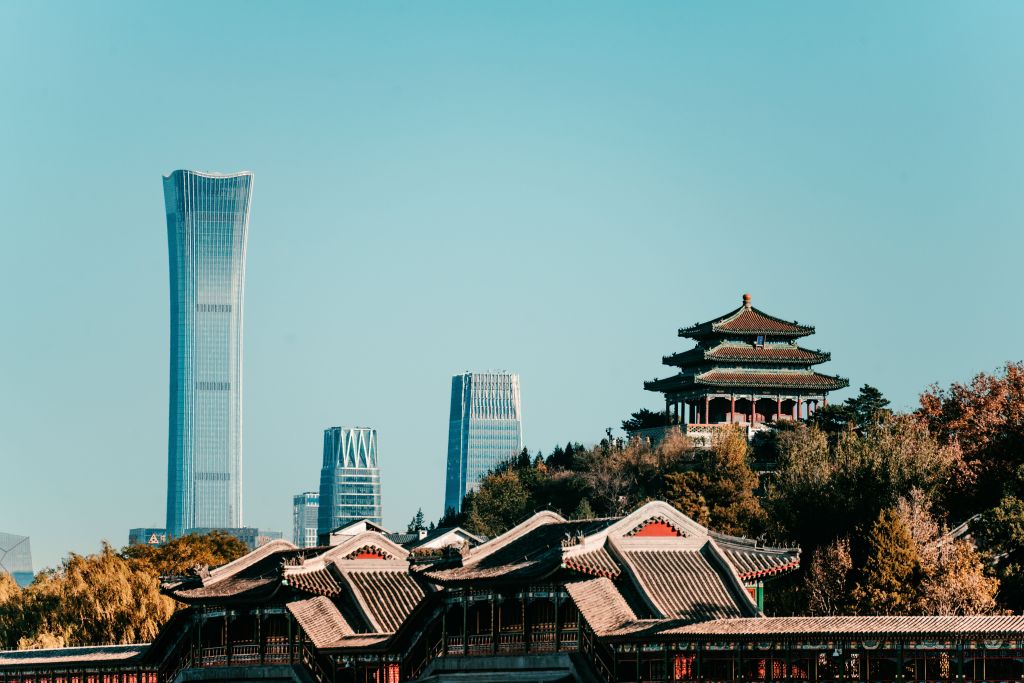
CAFA’s main campus is in Chaoyang District, Beijing. The city offers access to museums, galleries, historic sites, the 798 Art District, exhibitions, and a large creative community.
Beijing can be valuable for art students because it provides access to national museums, contemporary galleries, historical architecture, cultural heritage sites, university exhibitions, creative events, and the 798 Art District. These resources offer inspiration for art history, visual research, architecture, photography, design, and contemporary practice.
Beijing has cold, dry winters and hot, humid summers. Students should also prepare for higher rent than in smaller Chinese cities, long travel times, Chinese-language communication in daily life, and the need to find off-campus housing. The city may suit students who want an active cultural environment and can manage a large-city budget.
Is CAFA Beijing a Good Choice?
CAFA may suit you when you:
- Have a strong technical or creative foundation
- Plan to study in Chinese and reach HSK Level 5
- Are ready for a competitive professional examination
- Want specialist training rather than a broad liberal arts degree
- Are interested in Chinese visual culture
- Want to build a professional portfolio
- Can afford tuition and off-campus living in Beijing
How Can I Apply to the Central Academy of Fine Arts in Beijing?
- Choose one eligible program.
- Prepare passport, diploma, transcripts, HSK results, and nationality documents.
- Complete CSCA subjects required for undergraduate admission.
- Submit your application during the official period.
- Complete the professional examination or document review.
- Check CAFA’s website for the admission result.
Check the official CAFA international admissions page for the latest notices.
Related Articles
- Best Art Schools in China
- Cómo solicitar plaza en universidades chinas
- Study Abroad in China Guide
- Chinese University Scholarships
- China Double First-Class University List
Frequently Asked Questions About CAFA
Yes. CAFA offers specialist training in fine arts, design, architecture, restoration, and art theory. Applicants should prepare for Chinese-taught study and a competitive process.
No. CAFA is in Beijing. The China Academy of Art is a separate institution in Hangzhou.
Most international degree applicants need HSK results, so Chinese is the main teaching language.
2026 annual tuition: RMB 52,000 for undergraduate, RMB 60,000 for academic master’s, and RMB 68,000 for doctoral study.
Chinese Government Scholarship funding may be available. Confirm current eligibility and deadlines through official notices.
The CAFA Art Museum is the university’s museum for exhibitions, collections, research, and public education.
Detalles de la Universidad
Ubicación
Chaoyang District, Beijing, China
QS subject ranking
#14 for Art and Design, 2026
ShanghaiRanking
#10 for Design and #27 for Architecture
Scholarship
Chinese Government Scholarship may be available
Avg. Matrícula
~52,000 RMB/Year (undergraduate)
Admission Deadline
Around April
Otras universidades
-

Lanzhou University: Admissions, Tuition, Campus
4–6 minutes -

Yantai University – Admission, Tuition, Campus
3–5 minutes