
China Immersion Program: Complete Guide

A China immersion program helps you learn Mandarin while experiencing Chinese culture in daily life.
Programs combine daily language classes with cultural activities, local excursions, and real-life Mandarin practice. They run from two weeks to a full year and suit students, professionals, adults, and children.
For more speaking practice and deeper cultural exposure, a Chinese immersion program is a strong starting point.
This guide explains the main program types, costs, cities, and how to choose the right option.
- What Is a China Immersion Program?
- What Types of China Immersion Programs Are Available?
- How Long Is a China Immersion Program?
- What Cities Are Best for a Chinese Immersion Program?
- What Will You Learn in a Chinese Language Immersion Program?
- Who Is a China Immersion Program For?
- How Does a China Immersion Program Compare to Studying Online?
- How to Choose the Right China Immersion Program
- Can You Get a Scholarship for a China Immersion Program?
- Ready to Start Your China Immersion Program?
- Preguntas frecuentes
What Is a China Immersion Program?
A China immersion program lets you use Mandarin Chinese and experience Chinese culture from day one.
Instead of studying Mandarin in a classroom back home, you live and learn in China itself. Classes run four to six hours a day. Outside class, you use Chinese in real situations.
For example, you may order food, use public transport, talk to locals, and join cultural activities.
Most programs include:
- Intensive Mandarin classes at your level (beginner to advanced)
- Cultural workshops such as calligraphy, cooking, martial arts, or tea ceremonies
- Guided excursions to local landmarks and historical sites
- Student housing or a local host family
- Weekend trips to cities like Beijing, Xi’an, or Hangzhou
The core idea is simple. The more Chinese you use outside the classroom, the faster you learn.
A Chinese language immersion program in China gives you more reasons to use Mandarin every day. As a result, you can build confidence through regular real-life practice.
What Types of China Immersion Programs Are Available?
China immersion programs generally fall into four main types, each designed for different goals and schedules.
University Study Programs
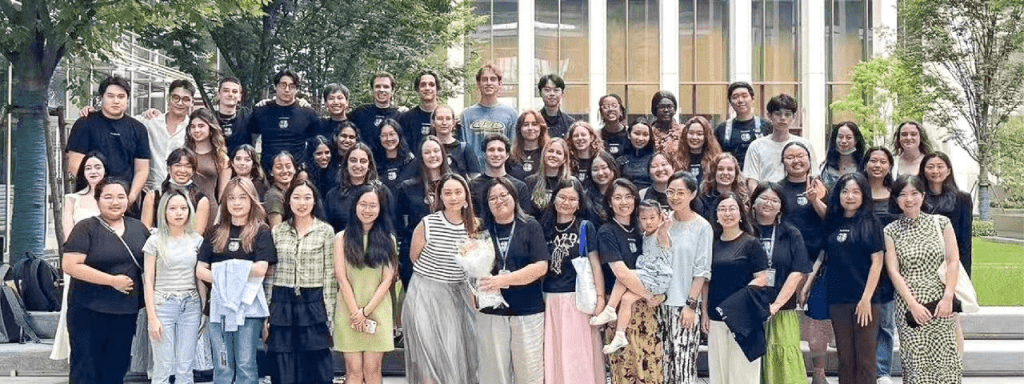
Universities such as Peking University, Fudan University, or Beijing Language and Culture University (BLCU) offer structured Chinese language programs.
You study with other international students, and many programs also include HSK preparation. Programs usually run from one semester to a full year and may provide a certificate or transcript.
Therefore, university study programs suit students who need an official study record. They also work well for those planning to continue into higher education in China.
Private Language Schools

Private language schools in Shanghai, Beijing, and Chengdu offer intensive daily Chinese lessons.
Class sizes are small — often four to eight students. Schedules are flexible and you can join at any point in the year. Private schools suit adults and professionals who need flexibility and want to move fast.
Teen and Youth Summer Programs

Supervised youth summer programs are available for high school students and other learners aged 13 to 18.
These summer programs usually combine language classes, cultural activities, team activities, and weekend trips.
Safety supervision and structured schedules make these a popular choice for parents. Programs typically run two to four weeks.
Work and Internship Immersion

Work and internship programs combine Mandarin study with a professional placement in cities such as Beijing or Shanghai.
You spend the mornings in Mandarin class and afternoons working at a company or organisation. This option suits young professionals and graduates who want language skills and China work experience at the same time.
One example is the BFSU Immersion Week, run by the International Business School at Beijing Foreign Studies University (BFSU). Students visit Chinese and international companies, including Beijing Hyundai and Beijing Yanjing Brewery.
During each visit, students may join a company tour, Q&A session, and discussion with HR teams. This gives them practical insight into Chinese workplaces. As a result, the program suits business students looking for experience beyond the classroom.
How Long Is a China Immersion Program?
Program lengths vary widely. Here is a general guide:
| Duración | Best For |
|---|---|
| 2–4 weeks | Summer programs and first-time visitors |
| 1–3 months | Serious language learners and gap-year students |
| 1 semester (4–5 months) | University exchange and degree preparation |
| 1 year | Long-term language development and HSK preparation |
Short programs work well for cultural exposure and basic conversation. However, longer programs give you more time to build practical language skills.
Most language experts suggest a minimum of three months for real progress in Mandarin. A full year gives you more time for long-term language development, regular practice, and HSK preparation.
What Cities Are Best for a Chinese Immersion Program?
The city you choose can shape your immersion experience. Here is what to expect from some popular options:
Beijing — Popular for Mandarin Learning
Beijing is a popular choice for a Chinese immersion program. People use Standard Mandarin (Putonghua) widely across the city, giving learners plenty of listening and speaking practice.
In addition, Beijing is home to Peking University, Tsinghua University, and BLCU. The Great Wall, Forbidden City, and Summer Palace also provide many opportunities for cultural immersion..
Shanghai — International Study and Internship Options
Shanghai offers private language schools, internship opportunities, and an international city environment. However, learners may hear both Mandarin and Shanghainese in daily life.
English is also common in many international areas. Therefore, students may need to make a more active effort to practice Mandarin outside class.
Chengdu — Affordable and Relaxed
Chengdu is generally more affordable than Beijing or Shanghai. The pace of life is slower, and learners can practice Mandarin in everyday situations.
In addition, Chengdu is well known for its Sichuan food and relaxed lifestyle. It suits students who prefer a less intense city environment.
Hangzhou — Relaxed City Life
Programs such as Hutong School Hangzhou operate here. Hangzhou is smaller than Beijing or Shanghai, which can give learners more opportunities to use Chinese in daily life.
It suits students who prefer a smaller city and a more relaxed learning environment.
Smaller Chinese Cities — More Daily Mandarin Practice
In contrast, smaller cities such as Xi’an, Kunming, and Harbin may give learners more chances to use Mandarin in daily life. Regular interaction with Chinese speakers can also create more opportunities to practice.
However, these cities may offer fewer international services than Beijing or Shanghai.
What Will You Learn in a Chinese Language Immersion Program?
A well-structured chinese language immersion program in china covers all four core Mandarin skills:
- Speaking — Build practical communication skills through conversations with teachers, locals, and fellow students
- Listening — Practice with natural speech, tones, and everyday words
- Reading — Character recognition, signs, menus, and written Chinese in daily life
- Writing — Character stroke order, digital input methods, and written composition
Most programs also prepare students for the HSK exam (Hanyu Shuiping Kaoshi), China’s official Mandarin proficiency test. Universities may use HSK results to assess Chinese proficiency for admission, while employers may also recognize the certificate.
Programs at BLCU and other university-affiliated language centres are well-aligned with HSK levels 1 to 6.
Cultural learning runs alongside language study. Typical workshops cover Chinese calligraphy, traditional cooking, tai chi, tea ceremony, and music. Weekend excursions take students to historical sites, local markets, and cultural landmarks.
Who Is a China Immersion Program For?
China immersion program options exist for almost every type of learner:
- University students — studying Chinese as part of a degree, exchange semester, or gap year
- Young professionals — building Mandarin skills for a China-based career or business role
- Adults and career changers — learning Chinese for personal growth, travel, or professional development
- Teenagers and children — summer camps and youth programs with supervised cultural learning
- Business professionals — short intensive programs focused on business Mandarin and cultural awareness
- Heritage learners — students of Chinese background who want to strengthen formal language skills
Some companies also offer group immersion programs for employees preparing to work with the China market. For example, these programs may combine business Mandarin, cultural briefings, and company visits.
How Does a China Immersion Program Compare to Studying Online?
Many students ask whether they should do an online Mandarin course or join a china immersion program. Here is the honest answer:
Online study can build grammar and core words when learning Chinese as a foreign language. By contrast, immersion adds regular real-time speaking and listening practice.
This regular practice supports language acquisition and helps you respond more naturally.
A longer Chinese immersion program in China gives learners frequent opportunities to practice outside the classroom. Therefore, it can support language learning in ways that weekly lessons at home cannot fully reproduce.
That said, online study before your program makes immersion more effective. Basic tones, pinyin, and 200 to 300 common Chinese words before arrival give you a foundation to build on from day one.
Our guide to best apps and websites to learn Chinese online covers the best tools to use before you go.
How to Choose the Right China Immersion Program
With hundreds of programs available, narrowing down the right one takes some clear thinking. Ask these questions first:
- What is your goal? Decide whether you want stronger language skills, HSK preparation, cultural immersion, work experience, or a combination.
- How long can you stay in China? A short program offers cultural and language exposure, while a longer stay gives you more time to practice.
- What is your current Mandarin level? Most programs place you in a level-appropriate class on arrival. However, beginners should check whether the program provides enough support and requires any prior Chinese.
- What type of housing suits you? Homestays offer more daily interaction, while student housing makes it easier to meet other learners. Private apartments offer more independence.
- What is your budget? University programs in Beijing or Shanghai cost more than private schools in Chengdu or Hangzhou. Compare tuition, housing, flights, food, and activity fees. In addition, remember that costs vary by city and program type.
Students can also use Apply for China to compare universities, language programs, and scholarships. This can help them plan a study and immersion path in China.
Can You Get a Scholarship for a China Immersion Program?
Yes, Some longer university programs may offer scholarship options.
Some Chinese Government Scholarship (CGS) awards may cover tuition and housing. Eligible students may also receive a monthly stipend. BLCU and other major universities are on the approved list.
Short programs are less likely to receive full government funding. However, some universities offer their own grants or fee reductions for international language students.
Read our full guide to Chinese Government Scholarships to check who can apply and how to apply
Ready to Start Your China Immersion Program?
A China immersion program gives you daily opportunities to practice Mandarin beyond the classroom. From short summer programs to a full year of language development, you can choose an option that fits your goals, schedule, and budget.
Apply for China helps students find the right language program, university placement, or combined study and immersion path.
Start with a free consultation.
Preguntas frecuentes
A China immersion program combines Mandarin classes with cultural activities and daily language practice in China. Programs may last from a few weeks to a full year.
Programs range from two weeks to one year. Short programs suit summer study, while longer stays give learners more time to build practical Mandarin skills.
Beijing is popular for Mandarin study and major universities. Shanghai offers more international and internship options. Meanwhile, Chengdu and Hangzhou suit students who prefer a slower pace and lower living costs.
Costs depend on the city, school, and program length. A month at a private language school may cost USD 800 to USD 2,000. A university semester may cost around USD 2,000 to USD 5,000.
It can be a good choice for learners who want regular speaking practice and cultural immersion. Living in China also gives you more chances to use Mandarin in daily life.
Yes. Many youth summer programs combine supervised language classes, cultural activities, and trips. Some schools also offer options for younger learners.
Choose a program type, city, dates, and budget first. Then apply through the school or program provider. Apply for China can also help you compare language and immersion programs.