
China Conservatory of Music – 中国音乐学院
Beijing, China
Why Study at China Conservatory of Music in 2026?
China Conservatory of Music is a strong choice for international students who want to study in China and focus on music.
The university is located in Beijing. Students know it for traditional Chinese music, Chinese vocal arts, composition, performance, and music research.
For students planning to study in China, this school offers a focused music path. You can study music, live in China’s capital, and learn Chinese culture through classes, rehearsals, and performances.
This conservatory of music is different from a general university. Music is its main focus. That gives students a clear learning environment.
China Conservatory of Music excels in:
- Traditional Chinese music
- Chinese instruments
- Chinese vocal music
- Musicology
- Composition
- Music performance
- Music education
- Music theory and research
The school also helps students understand the history, theory, and future of Chinese music. This is useful for students who want to connect music with culture, language, and performance.
Many music schools focus on Western classical music, jazz, or modern performance. China Conservatory of Music gives students a chance to study Chinese music systems, instruments, voice traditions, and performance styles.
The university is part of China’s Double First Class development plan. This adds to its academic value in China’s higher education system.
Should you study here?
- Yes, if you want serious music training with a Chinese cultural focus.
- Yes, if you are interested in Chinese instruments, Chinese vocal music, musicology, composition, or cultural exchange.
- A comprehensive university may suit you better if you prefer many non-music majors.
For serious music students, this school offers something unique: direct access to Chinese music education in Beijing.
About China Conservatory of Music
China Conservatory of Music, also known as China Conservatory or 中国音乐学院, is a higher music education institution in Beijing.
The China Conservatory of Music was initially established in 1956 by the merger of the art and music departments of Beijing Normal University, East China Normal University and Northeast Normal University.
The school focuses on Chinese music education, performance, creation, and research. It is especially suitable for students interested in Chinese instruments, vocal music, musicology, composition, and cultural exchange.
The university is also linked with China’s Double First Class development plan. This adds to its academic value in China’s higher education system.
Quick Facts
| Item | Details |
| University name | China Conservatory of Music |
| Chinese name | 中国音乐学院 |
| Location | Chaoyang District, Beijing |
| Founded | 1964 |
| Main focus | Chinese music, performance, musicology, composition |
| Study levels | Non‑degree, bachelor’s, master’s, doctoral programs |
| Best for | Students interested in Chinese music, performance, and music research |
| City advantage | Beijing – a major center for culture and education in China |
Top Programs and Global Rankings
China Conservatory of Music offers different study levels for international students. These may include non‑degree, bachelor’s, master’s, and doctoral programs. Program availability can change by year. Always check the latest admissions notice before applying.
Non‑Degree Programs
Non‑degree programs suit students who want short‑term or focused music training. They work well for:
- Exchange students
- Visiting music students
- Students preparing for a full time degree
- Learners who want to improve performance skills
Undergraduate Programs
Bachelor’s programs may include:
- Musicology
- Composition and Theories of Composition
- Music Performance
These programs usually suit students who have finished high school and want full degree training in music.
Postgraduate Programs
Master’s and doctoral programs may include musicology, composition, music performance, and music performance research. Postgraduate study has more research. It suits students who want to become performers, teachers, researchers, or cultural specialists.
Global Rankings
According to ShanghaiRanking, China Conservatory of Music has strong subject results in music and arts.
Its Music discipline is listed in the top 3% and ranked No. 3. Its Art Studies discipline is listed in the top 12% and ranked No. 12.
These results show the school’s strength in traditional Chinese music, music performance, musicology, and arts education. Students who want to study music in China should look at subject rankings, not only general university rankings.
Admission Requirements
Admission requirements vary by program and year. In general, international applicants should prepare:
- Valid passport
- Highest diploma or graduation certificate
- Academic transcripts
- Music portfolio or audition materials
- Study plan or personal statement
- Recommendation letters (especially for postgraduate programs)
- Language certificate (if required)
- Physical examination form (if required)
- Non‑criminal record (if required)
Music applicants should prepare early for auditions. For performance programs, your playing or singing ability is a key part of the application.
Language Requirements
Many music programs in China use Chinese as the teaching language. Students may need HSK scores for Chinese‑taught programs.
Students who do not speak Chinese well should check whether preparatory language study is available. For music students, Chinese is useful. It helps you understand classes, talk with teachers, read music theory, learn lyrics, and join rehearsals. Even if your main goal is performance, language still matters – music training depends on culture and meaning.
Tuition Fees and Scholarships
Tuition fees change by program and intake year. Check the latest fee list from the university or admissions office before applying.
Scholarship options may be available for international students, but the type, amount, and rules can change. Students may check:
- Chinese Government Scholarship
- Beijing Government Scholarship
- University scholarship options
- Exchange or partner university funding
- Arts and culture funding from their home country
Scholarship rules change each year. Always check the newest notice before applying.
Campus Life in Beijing

Campus Facilities
China Conservatory of Music is a specialized music school. Students can expect a campus focused on music study, practice, performance, and research institute‑level resources. Facilities may include:

- Classrooms
- Practice rooms
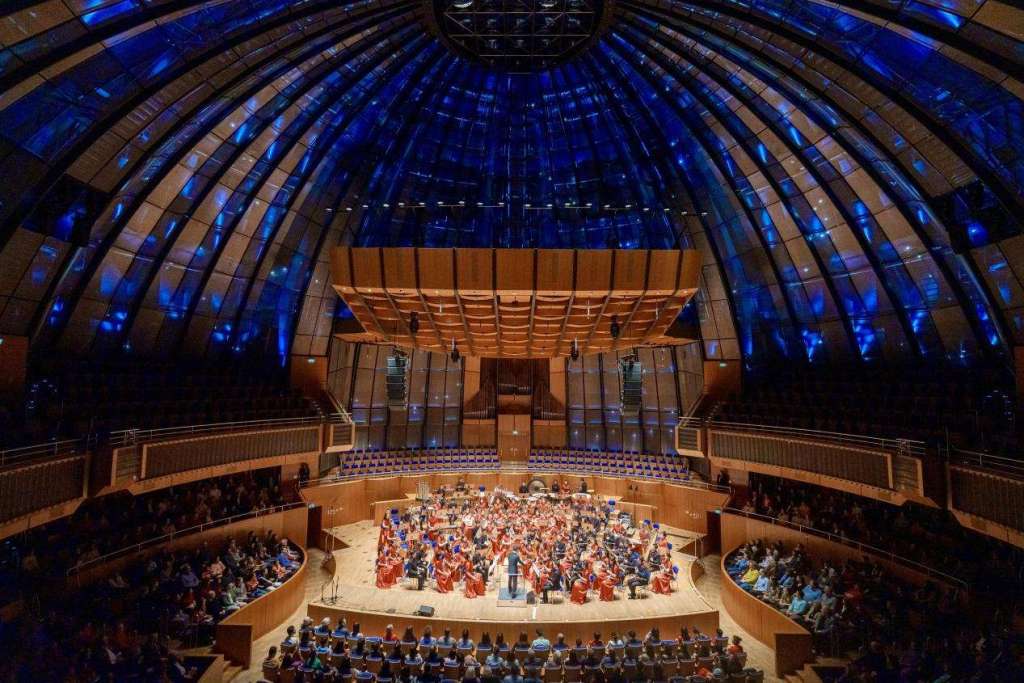
- Performance spaces (some with symphony orchestra access)
- Library and learning resources
- Student services
- International student support
Check the latest dormitory and campus information before arrival.
City and Local Area Information
Studying at China Conservatory of Music means living in Beijing.
Beijing is one of China’s most important education and culture centers. It has universities, museums, concert halls, theatres, historical sites, and many student communities. For music students, this city is exciting. You can attend concerts, watch traditional performances, visit cultural landmarks, and meet people from different creative fields.
Beijing offers:
- Rich history and culture
- Public transport by subway and bus
- Many international student communities
- Concert halls and performance spaces
- Museums, theatres, and cultural events
- Food from many parts of China
Beijing may cost more than smaller Chinese cities. Students should budget for housing, meals, transport, insurance, and daily spending.
Career Opportunities
A degree from China Conservatory of Music supports many music‑related career paths. Graduates may work in:
- Music performance
- Music education
- Composition
- Arts management
- Cultural exchange
- Music research
- Media and entertainment
- Traditional Chinese music promotion
This school is useful for students who want a career linked to Chinese culture, Asian music, or cross‑cultural performance.
How to Apply to Study at China Conservatory of Music
The application process varies by program. Music programs may require auditions, portfolios, or performance videos.
A basic application plan:
- Choose your study level – non‑degree, bachelor’s, master’s, or doctoral.
- Check program requirements – language, audition, portfolio rules for your major.
- Prepare documents – passport, diploma, transcripts, study plan, recommendation letters, music materials.
- Submit your application – through the official application channel or authorized admissions platform.
- Complete the review or audition – some programs review academic background and music ability.
- Apply for a China student visa – long‑term students usually apply for an X1 visa; short‑term students may need an X2 visa.
Application Deadline
Deadlines vary by program and intake year. Most degree programs in China start in September. Prepare several months early, especially for audition materials, HSK results, scholarship documents, or visa papers. For music programs, early preparation is important. A strong application takes time.
FAQs About Studying at China Conservatory of Music
Yes. International students can apply for selected programs, including degree and non‑degree options. Check the latest program list before applying.
It is best known for traditional Chinese music, Chinese instruments, vocal music, musicology, composition, and music performance.
Chinese skills are helpful. Chinese‑taught programs may require HSK scores. Even for performance students, Chinese helps with classes, rehearsals, and daily life.
Students may explore Musicology, Composition and Theories of Composition, Music Performance, and Music Performance Research. Confirm availability each year.
No. They are different music schools in Beijing. China Conservatory of Music has a strong focus on Chinese music and traditional music studies.
Yes. Beijing is one of China’s strongest cities for education, culture, and the arts. You can attend concerts, visit museums, and meet other students.
It is a national plan that recognizes top universities and disciplines in China. This status adds academic value to the school.
Check the Chinese Government Scholarship, Beijing Government Scholarship, or university scholarships. Rules change each year – always read the latest notice.
Related Articles You Might Be Interested In
- China’s Best Music Schools
- Best Art Schools in China: Your 2026 Guide for International Students
- Beijing Dance Academy — The Cradle of Dancers in China
- Hubei University of Arts and Science
- 10 Best Bachelor’s in Architecture Degrees in China
- South China Normal University: Admission, Programs and Campus Life
- How to Apply to Chinese Universities