

Nanjing University – 南京大学
Nanjing, Jiangsu, China



Acerca de
Nanjing University is one of the most respected universities in China. It is also known as NJU. In Chinese, its name is 南京大学.
For international students, NJU is a strong choice. It offers a serious academic environment, a long history, and a rich Chinese cultural setting.
The University started in 1902. Over time, it used several names, including Sanjiang Normal School, Nanjing Higher Normal School, National Southeastern University, and National Central University. It became Nanjing University in 1950.
Today, NJU is known for strong teaching and research. Its strengths include science, engineering, medicine, arts, humanities and social sciences, and Chinese studies.
It is also one of China’s top universities. This makes it a good option for students who want a high-quality study experience in China.
Nanjing University at a Glance
| Item | Details |
|---|---|
| University name | Universidad de Nanjing |
| Chinese name | 南京大学 |
| Short name | NJU |
| Ubicación | Nanjing, Jiangsu Province; Suzhou Campus in Suzhou |
| Founded | 1902 |
| Main campuses | Gulou, Xianlin, Pukou, Suzhou |
| QS World University Ranking 2026 | 103 |
| THE World University Ranking 2026 | 62 |
| ARWU 2025 | 75 |
| Strong fields | Chinese language, literature, history, philosophy, chemistry, physics, environmental science, atmospheric science, computer science, AI |
| Good for | Students who want strong research, Chinese culture, and a top China university experience |
According to the Nanjing University official English website, NJU has 40 faculties. It also has more than 15,000 undergraduate students, 19,000 master’s students, and 10,000 doctoral students.
The university also has many leading scholars. These include members of the Chinese Academy of Sciences and the Chinese Academy of Engineering.
Why Choose Nanjing University?
Nanjing University is a good choice for students who want academic quality and Chinese culture in one place.
Here are some key reasons to consider NJU:
- It is one of China’s oldest and most famous universities.
- It has strong programs in both science and the humanities.
- It has a long history in Chinese literature, history, and philosophy.
- It offers Chinese language programs for international students.
- It has campuses in Nanjing and Suzhou.
- It is in Jiangsu, one of China’s most developed provinces.
- It gives students access to the Yangtze River Delta, a major economic area in China.
Nanjing is also easier to manage than Beijing or Shanghai for many students. It is modern and well-connected, but it can feel calmer and more affordable.
This makes Nanjing attractive for students who want to study in China without living in one of the most expensive cities.
Nanjing University Rankings
Nanjing University performs well in major global rankings.
In the QS World University Rankings 2026, Nanjing University ranks =103 in the world.
In the Times Higher Education World University Rankings 2026, NJU ranks =62 in the world.
In the 2025 Academic Ranking of World Universities, also known as ARWU, NJU ranks 75 in the world.
These rankings show NJU’s strong research ability. The university is not only a good place to learn Chinese. It is also strong in science and technology, environmental studies, computer science, chemistry, physics, and related fields.
Best Programs at Nanjing University
Nanjing University is a comprehensive research university. This means it offers many fields of study.
Popular study areas include:
- Chinese language and literature
- International Chinese language education
- History
- Philosophy
- Economics
- Business
- Law
- Mathematics
- Physics
- Chemistry
- Atmospheric science
- Environmental science
- Earth sciences
- Computer science
- Artificial intelligence
- Electronic science and engineering
- Medicine
NJU is especially known for its School of Liberal Arts, Chinese language studies, and natural science research.
Students who want to study Chinese culture, Chinese history, or Chinese literature may find NJU very suitable.
Students interested in STEM can also consider NJU. The university has strong research in chemistry, environmental science, atmospheric science, physics, computer science, and engineering-related fields.
Nanjing University Chinese Programs
Many international students search for Nanjing University Chinese because they want to learn Mandarin at a top Chinese university.
NJU offers Chinese language training through its Institute for International Students. The long-term Chinese language program helps students improve listening, speaking, reading, and writing.
It also supports HSK preparation.
The program has different levels. Students can study at beginner, elementary, intermediate, or advanced levels. Advanced students may also take “Chinese+” courses to improve cultural and practical language skills.
Chinese Language Program Details
| Item | Details |
| Program type | Non-degree Chinese language training |
| Duración | 6 months to 2 years |
| Class hours | 20 class hours per week |
| Campus | Gulou Campus |
| Tuition | RMB 10,500 per semester or RMB 21,000 per academic year |
| Application fee | RMB 500 |
| Insurance | RMB 400 per semester |
| Spring application window | October 10 to December 25, until quota is full |
| Autumn application window | March 10 to June 25, until quota is full |
| Starting time | February and September, based on admission notice |
The Nanjing University Chinese language program also includes cultural courses. Students may learn about Chinese characters, Chinese history, Chinese literature, tea art, paper cutting, and Tai Chi.
Students may also join visits to historical and cultural places in and around Nanjing.
This makes the program useful for students who want more than classroom learning. You can study Mandarin and experience Chinese culture at the same time.
Degree Programs for International Students
Nanjing University accepts international students for bachelor’s, master’s, and doctoral programs.
For undergraduate programs, the current NJU undergraduate admissions page says all undergraduate majors use Chinese as the teaching language. This means bachelor’s applicants should prepare their Chinese skills early.
From the 2026/2027 academic year, international undergraduate applicants also need to take the China Scholastic Competency Assessment, or CSCA. They must submit the CSCA test report as part of the application.
For master’s programs, Chinese-taught programs usually require HSK. NJU’s master’s application instructions list HSK 5 or above for liberal arts and business programs. They list HSK 4 or above for science programs and the Chinese Language program.
English-taught graduate programs do not require Chinese proficiency, according to the same instructions.
Before applying, always check the language of instruction for your chosen program. Some programs use Chinese. Some graduate programs may use English.

Requisitos de admisión
Admission requirements depend on the program level and major.
For Chinese language program, common requirements include:
- Valid passport
- Good health
- Highest academic diploma
- Basic application documents
- HSK is usually not required because students are placed by Chinese level.
For undergraduate applicants, common requirements include:
- Valid non-Chinese passport
- High school diploma or expected graduation proof
- High school transcript
- HSK certificate
- CSCA test report for 2026/2027 intake and later
- Personal statement
- Recommendation letters
- Other documents required by the chosen major
NJU’s 2026/2027 undergraduate page lists HSK Level 5 with a score of at least 180 for many undergraduate applicants.
For master’s applicants, common requirements include:
- Valid passport
- Bachelor’s degree certificate or expected graduation proof
- Full undergraduate transcript
- HSK certificate for Chinese-taught programs
- Two recommendation letters
- Physical examination record for scholarship students
- Other materials required by the program
A strong China university application should be complete and clear. Submit your documents early. Missing documents can delay your result or reduce your chance of admission.

Tuition Fees at Nanjing University
Tuition at Nanjing University depends on the program type, study level, and teaching language.
Nanjing University Chinese Language Program Tuition
The Nanjing University Chinese language program is a non-degree program for international students who want to improve their Mandarin.
| Program type | Tuition |
| Chinese language program | RMB 10,500 per semester |
| Chinese language program | RMB 21,000 per academic year |
Other common fees include:
| Fee type | Cost |
| Application fee | RMB 500 |
| Insurance | RMB 400 per semester |
Nanjing University Bachelor’s Program Tuition
For undergraduate programs, tuition depends on the field of study.
| Program type | Tuition |
| Liberal arts undergraduate programs | RMB 21,000 per academic year |
| Science and business undergraduate programs | RMB 24,000 per academic year |
| Software Institute programs | RMB 32,000 per academic year |
| Medical School programs | RMB 42,000 per academic year |
Most bachelor’s programs at NJU are taught in Chinese. So, students should also prepare for HSK and other admission requirements before applying.
Nanjing University Master’s and Doctoral Program Tuition
For master’s and doctoral programs, tuition may vary by school, major, and teaching language. International students should check the latest fee details on the official NJU admissions page before applying.
Scholarships for International Students
Nanjing University lists several scholarship options for international students. These include:
- Chinese Government Scholarship
- Nanjing Municipal Scholarship
- International Chinese Language Teachers Scholarship
- Confucius China Studies Program
Scholarships can make studying in China more affordable. Some scholarships may cover tuition, housing, living allowance, and medical insurance. Others may only cover part of the cost.
The rules depend on your country, program level, grades, and application route.
Start early. Scholarship deadlines may be earlier than normal admission deadlines.
You can also read ApplyForChina’s guide to Chinese scholarships for a wider overview.

Campus Life at Nanjing University
Nanjing University has four main campuses: Gulou, Xianlin, Pukou, and Suzhou.
The NJU official overview says the university has campuses in Gulou, Xianlin, Pukou, and Suzhou.
Each campus has a different style.
- Suzhou Campus
Suzhou Campus connects NJU with another major city in the Yangtze River Delta. Suzhou is known for culture, technology, and business. It can be useful for students who want more career and research opportunities. - Gulou Campus
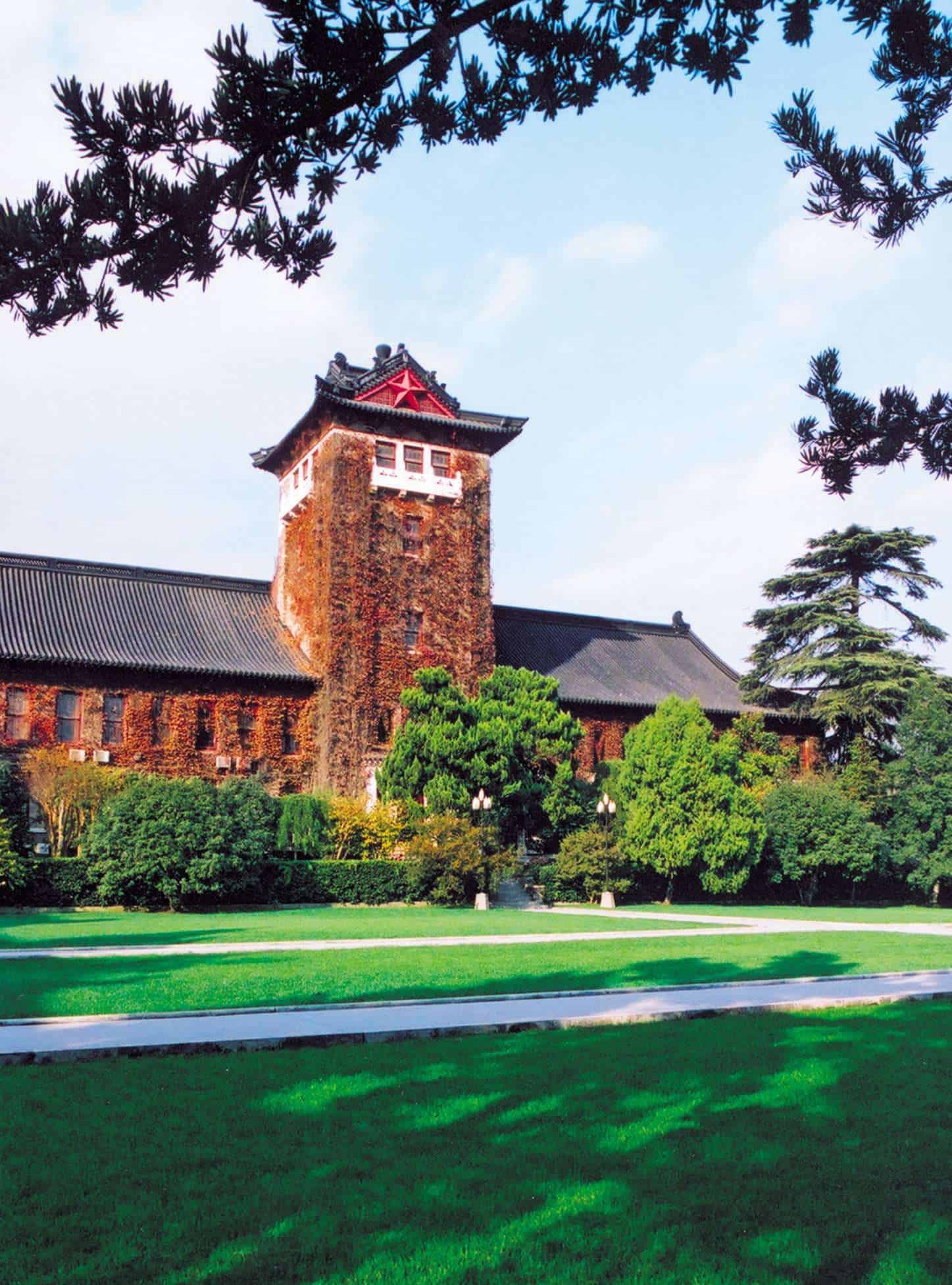
Gulou Campus is the historic campus in central Nanjing. It is close to public transport, restaurants, cafés, shops, and cultural sites. Many international students study here, especially Chinese language students. - Xianlin Campus
Xianlin Campus is larger and more modern. It has many teaching buildings, libraries, dormitories, and student facilities. Students who enjoy a larger campus may like Xianlin. - Pukou Campus
Pukou Campus is in Pukou District. It is north of the Yangtze River.
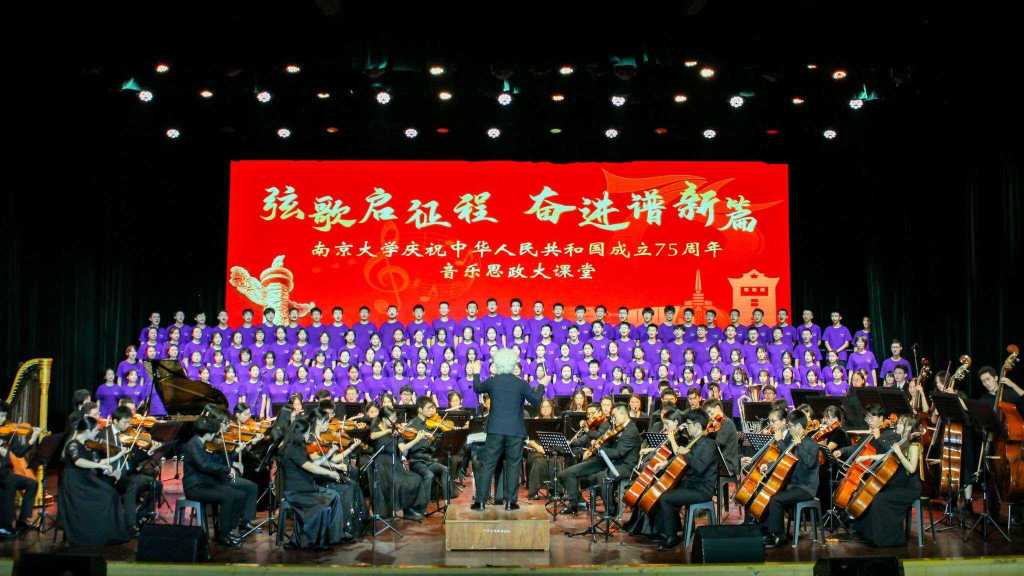
NJU campus life includes libraries, museums, sports activities, student clubs, cultural events, and international student support.
The NJU campus life page also shares student activities, cultural events, and campus news.
Undergraduate Dormitory Facilities

Dormitory fees are 1,200 RMB per year. The dorms are four-person rooms with a loft bed and desk, air conditioning, water dispensers, and private bathrooms. There are even public washing machines downstairs, which can be used with a QR code scan.
The dormitory area is very well-equipped, with supermarkets, a courier service point, a campus clinic, sports fields, and a gymnasium nearby.
Cafeteria Facilities

Nanjing University has several dining halls offering a variety of dishes.
Students often visit dining halls four, five, and six, which are located near the teaching buildings. These dining halls offer a variety of Nanjing specialties, including saltwater duck and braised duck.
Additionally, you can find porridge, noodles, barbecue, burgers, dumplings, teppanyaki, and more.
If you get bored of these options, you can head to the halal dining hall in another dormitory area for a change of taste.
On campus, there are also dessert shops and bubble tea stores. For a more upscale experience, there’s even a Paris Baguette! Outside the campus gates, there are rows of barbecue restaurants, perfect for gatherings.

Life in Nanjing for International Students
Nanjing is one of China’s most historic cities. It was once an ancient capital of China.
Today, it is also a modern city with strong education, culture, and business resources.
International students can visit:
- Confucius Temple area
- Xuanwu Lake
- Nanjing Museum
- Sun Yat-sen Mausoleum
- Ming Xiaoling Mausoleum
- City Wall of Nanjing
- Purple Mountain
- Qinhuai River area
Nanjing also has convenient metro lines, shopping malls, cafés, restaurants, and student-friendly areas.
The city is close to Shanghai by high-speed train. This gives students more travel, internship, and career options.
If you want to study in China but prefer a calmer city than Shanghai, Nanjing can be a good choice.
How to Apply to Nanjing University
Choosing to study in China is a life-changing decision that opens the door to world-class education, cultural diversity, and exciting global opportunities. Whether you’re researching top China universities or preparing your China university application, having a trusted partner can make all the difference.
At ApplyForChina, we make the process simple and stress-free. From finding the right university to submitting your application, we’re here to support you every step of the way.
Related Articles You May Like
- Universidad de Pekín: Admisión, matrícula y vida en el campus
- Tsinghua University: Ranking, Acceptance Rate, and Programs
- Fudan University in Shanghai: Acceptance Rate, Scholarships, and Tuition Fees
- Shanghai Jiao Tong University: Rankings and Admission
- Zhejiang University: QS Ranking, Acceptance Rate, and Admissions
- Chinese University Scholarships: 2026 Ultimate Guide
Detalles de la Universidad
Ubicación
Nanjing, Jiangsu, China
Clasificación mundial QS
#145
Clasificación SH
#6
Disponibilidad de becas
Sí
Plazo de solicitud
Apr 30, 2025
Avg. Matrícula
40.000 / Año
Otras universidades
-

CSCA Exam China: Study in China Entrance Exam
4–6 minutes -

Best Law Schools in China
5–7 minutes


FAQs About Nanjing University
Yes. Nanjing University is one of China’s leading universities. It has a long history of welcoming international students.
It is a good choice for students who want strong academics, Chinese culture, and life in a historic Chinese city.
Nanjing University ranks =103 in the QS World University Rankings 2026. It ranks =62 in the Times Higher Education World University Rankings 2026. It also ranks 75 in ARWU 2025.
Yes. The Nanjing University Chinese language program is open to international students.
It includes Chinese language classes, HSK preparation, cultural courses, and cultural activities.
The long-term Chinese language program lasts from 6 months to 2 years. Students usually study 20 class hours per week.
For the Nanjing University Chinese language program, HSK is usually not required.
For bachelor’s programs, NJU usually requires HSK Level 5.
For master’s programs, Chinese-taught science programs usually require HSK Level 4, while liberal arts, social sciences, and business programs usually require HSK Level 5. English-taught programs may require English proof instead.
Yes, for undergraduate applicants starting from the 2026/2027 academic year. NJU says international undergraduate applicants must take the China Scholastic Competency Assessment, or CSCA, and submit the test report.
Undergraduate tuition ranges from RMB 21,000 to RMB 42,000 per academic year, depending on the program.
Chinese language training costs RMB 10,500 per semester or RMB 21,000 per academic year.
Nanjing University is mainly in Nanjing, Jiangsu Province. It also has a campus in Suzhou. Its main campuses include Gulou, Xianlin, Pukou, and Suzhou.