
Chinese Gaokao Exam: What Foreign Students Should Know
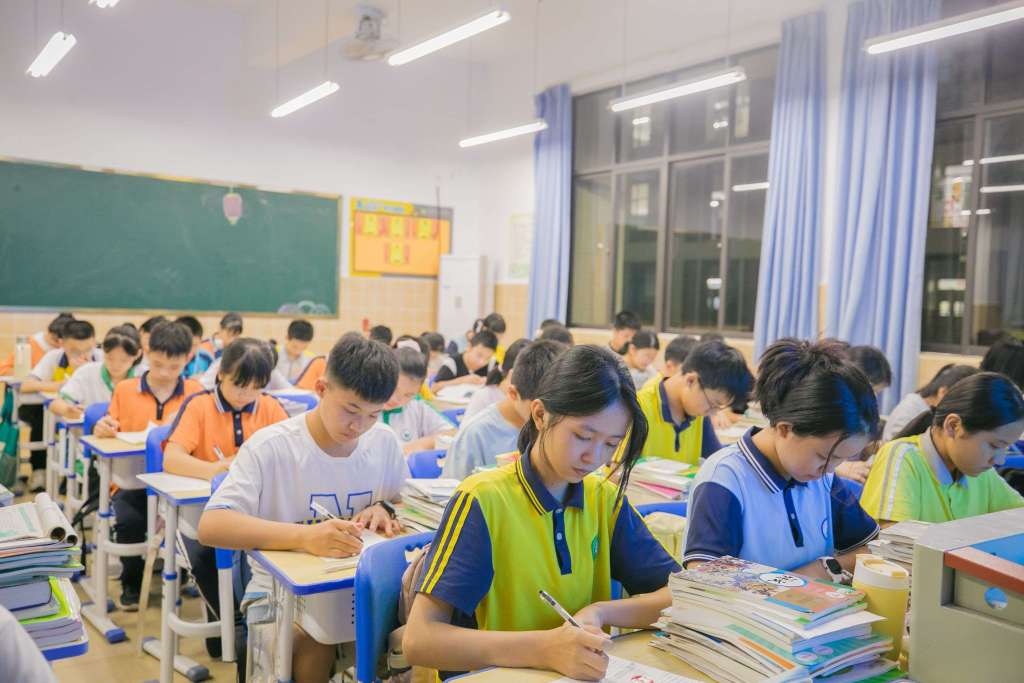
Chinese Gaokao Exam: What Foreign Students Should Know
The 2026 Chinese Gaokao exam is taking place this week. It started on June 7, and many regions hold exams through June 9. Some areas may use a longer schedule.
Every year, Gaokao season becomes a major moment in China.
Millions of Chinese students enter exam rooms. Parents wait outside school gates. Volunteers help with directions. Some taxi drivers even offer free rides to help students arrive on time.
For Chinese students, this is not just another test.
The Gaokao exam can shape which university they enter, what major they study, and what choices they may have after high school.
For international students in China, the Gaokao is also worth knowing. Most foreign students do not need to take it. But the exam gives you a clear look at the China education system and the study culture behind Chinese universities.
What Is the Chinese Gaokao Exam?
The Chinese Gaokao exam is China’s national college entrance exam.
In Chinese, people call it 高考. The word means “higher exam.”
Most students take it at the end of senior high school. Their scores help decide their path into tertiary education.
The result can affect:
- Which universities in China they can apply to
- Which major they can choose
- Whether they can enter a top university
- Whether they need to choose another study path
In short, the Gaokao is the main route for local students who want to enter undergraduate programs in China.
When Is the 2026 Gaokao Exam?
The 2026 Gaokao starts on June 7.
In many places, students take the exam from June 7 to June 9. Some regions finish earlier, while others continue longer because of local subject plans.
The Ministry of Education said 12.9 million students registered for the 2026 exam.
That number shows how large the exam is.
It also explains why Gaokao week feels special across China. Around exam centers, cities may control traffic, reduce noise, and arrange support for students.
Why Does the Gaokao Matter So Much?
The Gaokao matters because public university admission is highly competitive for Chinese students.
China has many public universities. Some are also internationally recognized, such as Tsinghua University and Peking University.
But top schools and popular majors have limited seats.
A small score difference can change a student’s options.
This is why Chinese families take the exam seriously. A good result can help a student enter a better university, choose a stronger major, and build a clearer long-term career path.
For many families, the Gaokao also feels like a chance for social mobility.
Is It Harder for Chinese Students Than for International Students?
In many cases, yes.
Chinese students and foreign students apply through different systems.
Chinese students compete through Gaokao scores, provincial rankings, and university quotas. Their scores compete with many other local students.
International students usually apply through a separate China university admission route. They may need academic records, language scores, a passport, a study plan, and other documents.
Some programs may also ask for an interview, entrance test, or portfolio.
From the 2026/2027 academic year, undergraduate applicants should also know about the CSCA exam. The CSCA checks whether international applicants are ready for undergraduate study in China.
So, international admission is not automatic.
But it is usually not the same kind of pressure as the Gaokao. Chinese students often face a much heavier score-based competition, especially for top public universities.
When Do Students Start Preparing?
Many students begin serious preparation as soon as they enter high school.
Some students feel exam pressure even earlier. But high school is when Gaokao preparation becomes part of daily life.
A full-time high school student in China may spend years doing:
- Textbook review
- Mock exams
- Homework
- Timed practice
- English language study
- Math and science drills
- Liberal arts review
- Exam strategy training
Some students attend extra classes after school or during holidays.
This does not mean every student has the same experience. China has many regions, school types, and family backgrounds.
Still, the Gaokao plays a major role in student life across the country.
What Subjects Are in the Gaokao?
The Gaokao does not use one fixed format for every province.
Most students take core subjects such as:
- Chinese
- Mathematics
- A foreign language, often English
They may also choose subjects such as:
- Physics
- Chemistry
- Biology
- History
- Geography
- Politics
Some students focus more on science. Others choose liberal arts subjects.
This system can change by province. It also changes over time as China updates its education policy.
For foreign students, this shows one key point: China has a national exam culture, but local rules still matter.
Interesting Gaokao Culture: Free Taxis and City Support
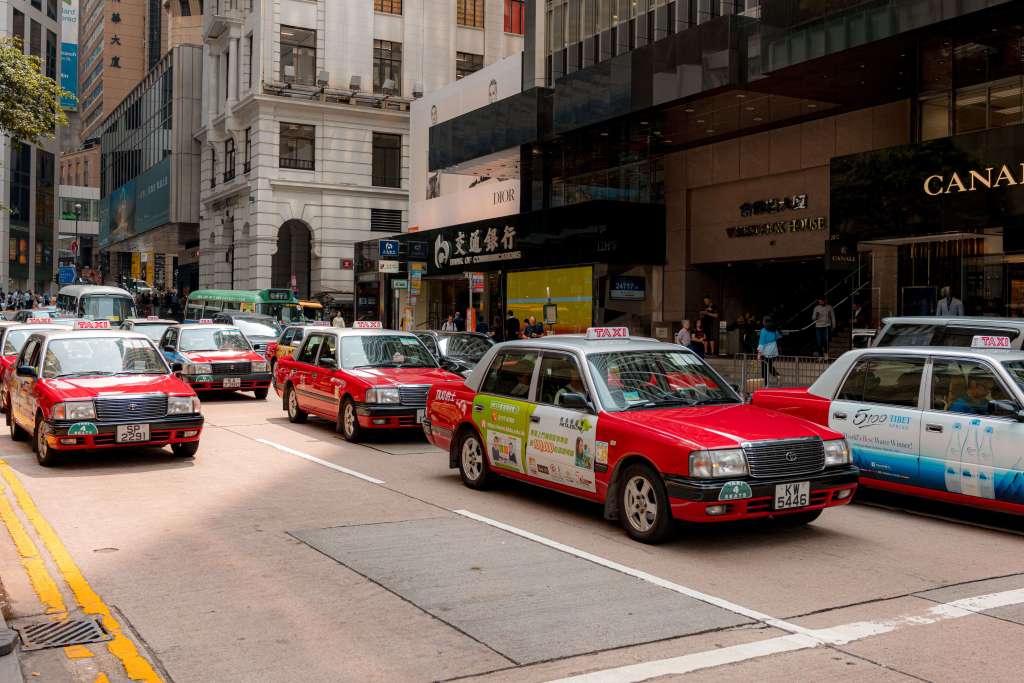
Gaokao season has many interesting traditions.
One well-known example is free taxi rides for exam students. In some cities, taxis offer “love exam rides,” or 爱心送考.
Students can show their Gaokao admission ticket and get a free ride to the exam site.
Many cities also arrange:
- Traffic police near exam centers
- Volunteers at school gates
- Quiet zones around testing areas
- Emergency rides for late students
- Water stations
- Medical support
- Rest areas for parents
This may feel new to foreign visitors.
But in China, the Gaokao is a public event. Many people want to help students stay calm and arrive safely.
What Does the Gaokao Show About China’s Education System?
The Gaokao shows how much China values education.
It also shows why exams play such a large role in the education system.
Chinese schools often train students to work hard, review often, and prepare for major entrance exams. This creates strong academic habits.
It can also create pressure.
For foreign students, this helps explain why many Chinese classmates take study seriously. They often bring strong exam skills, discipline, and subject knowledge into university life.
It also explains why student enrollment at top schools can feel so competitive.
What Does This Mean for International Students?
Most foreign students will not take the Gaokao.
Still, understanding it can help you adjust to life as an international student in China.
You may notice that Chinese classmates care about grades, attendance, and study routines. You may also find that universities expect students to stay organized and independent.
This can help you prepare better.
Before applying, check each university’s rules. Requirements may differ by major, language, degree level, and applicant’s home countries.
Some programs require Chinese language skills. Others teach in English. Some programs accept students from the United States, Indonesia, Thailand, Pakistan, Russia, and many other countries.
Why Study in China?
The Gaokao shows one side of Chinese education: hard work, exams, and competition.
But university life in China offers much more than that.
Foreign students can explore modern campuses, student clubs, Chinese culture, language learning, and career links in Asia.
China can be a strong choice for students who want:
- Affordable tuition
- Public university options
- English-taught programs
- Chinese language learning
- Scholarship opportunities
- Strong programs in science, medicine, business, AI, and engineering
Start here: study in China
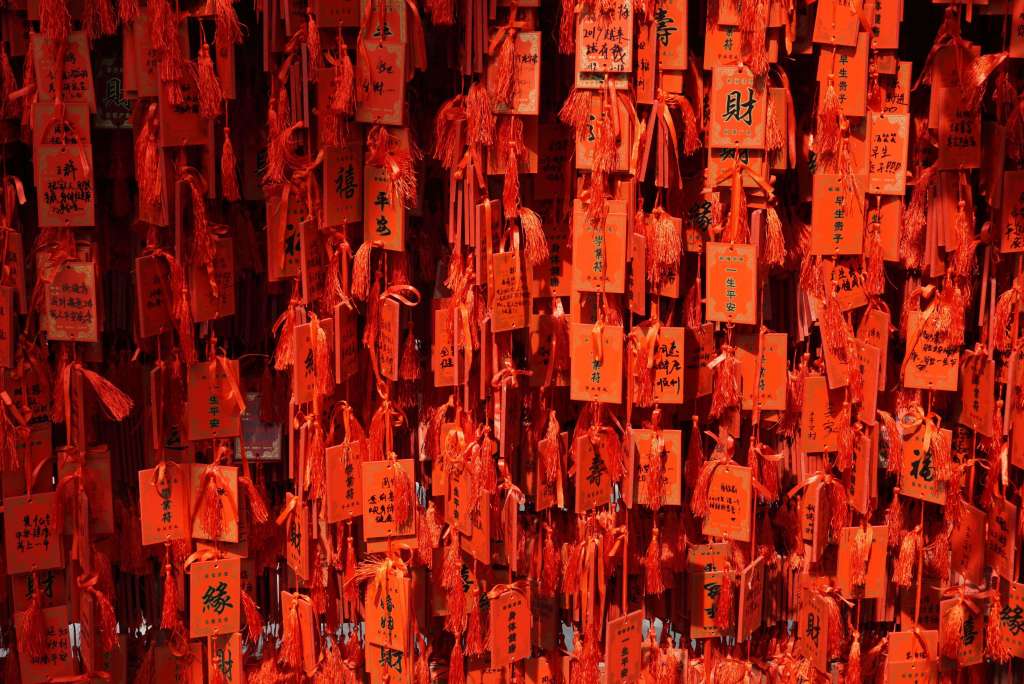
Good Luck, Gaokao Students!
Good luck to everyone taking the 2026 Gaokao!
You have worked hard to get here. That already deserves respect.
The exam matters, but it does not define your whole future.
Stay calm, trust yourself, and do your best.
加油!
Related Articles
- Study Abroad in China: 2026 Guide for International Students
- Top Universities in China 2026: QS, THE & ARWU Rankings
- Top 10 Most Prestigious Universities in China 2026
- How to Apply to Chinese Universities
- Degree Programs in China
- How to Get a 100% Scholarship in China
- Most Affordable Universities in China
- China Student Visa X1 and X2 Guide
FAQs About the Chinese Gaokao Exam
The Chinese Gaokao exam is China’s national college entrance exam. Most Chinese high school students take it before applying to undergraduate programs.
The 2026 Gaokao starts on June 7. Many regions hold exams through June 9, while some schedules may last longer.
Most international students do not take the Gaokao. They usually apply through international admission channels. Some undergraduate applicants may need the CSCA exam.
Yes. The Gaokao is difficult because students face high pressure, strong competition, and limited places at top universities.
Students prepare early because Gaokao scores can affect university choices. Many students begin serious preparation in senior high school.
Students usually take Chinese, mathematics, and a foreign language. They may also choose subjects like physics, chemistry, biology, history, geography, or politics.
The domestic route is often more competitive. Chinese students compete through scores and quotas. Foreign students apply through a different system, but they still need to meet university requirements.
Some taxi drivers offer free rides during Gaokao season. This helps students reach exam sites on time and shows how much Chinese society supports exam takers.