
Qixi Festival 2026: Chinese Valentine’s Day Explained

The Qixi Festival 2026 falls on Wednesday, August 19, 2026. Also known as Chinese Valentine’s Day, Qixi (七夕节, Qīxī Jié) takes place on the seventh day of the seventh lunar month.
Today, people celebrate Qixi with dates, flowers, gifts, and romantic messages. However, this traditional Chinese festival has a much older history.
Its famous love story follows the Cowherd and Weaver Girl, while older traditions focused on skills, wishes, food, and the night sky.
For international students, however, Qixi can be more than a romantic holiday, Qixi is also a fun way to experience Chinese culture outside the classroom.
Qixi Festival quick facts:
- 2026 date: August 19
- Chinese: 七夕节 (Qīxī Jié)
- Lunar date: 7th day of the 7th lunar month
- Also called: Double Seventh Festival or Qiqiao Festival
- Mainlegend: Niulang and Zhinü
- Associated stars: Altair (Niulang) and Vega (Zhinü)
What Is the Qixi Festival?
The Qixi Festival is an ancient Chinese festival held on the day of the seventh night of the seventh lunar month.
Today, many people call Qixi Chinese Valentine’s Day. Its famous love story follows two people who can meet only once a year.
Originally, Qixi was not only about romance. Historically, people also called it the Qiqiao Festival (乞巧节), or “Begging for Skills Festival.” Women traditionally prayed for skill in weaving and needlework, as well as wisdom and a happy life.
Records from the Han Dynasty already describe early Qixi customs and traditions. This long history gives the Double Seventh Festival a meaning beyond Western Valentine’s Day.
When Is Chinese Valentine’s Day in 2026?
Chinese Valentine’s Day in 2026 is Wednesday, August 19.
Qixi follows the traditional Chinese lunar calendar, so its Gregorian date changes each year. The festival celebrates the seventh day of the seventh lunar month.
Qixi is culturally important, but it is not a national public holiday in China. Students should normally expect universities, offices, and businesses to follow their usual schedules.
What Is the Qixi Festival Love Story?

The best-known Qixi Festival love story follows Niulang (牛郎), the Cowherd, and Zhinü (织女), the Weaver Girl.
In one popular version of this ancient Chinese legend, Zhinü was a heavenly weaving maiden. One day, she secretly came to Earth and met Niulang, a young cowherd. The two fell in love, married, and had children.
However, the Queen of Heaven did not accept their marriage. She took Zhinü back to heaven. Niulang then followed her with their children, helped by his magical ox.
To stop him, the Queen of Heaven drew a line across the sky with her hairpin. The line became the Milky Way and separated the couple.
Still, Niulang and Zhinü refused to give up on each other. Eventually, their devotion moved the Queen of Heaven. She allowed them to meet once a year on the day of the 7th month in the traditional Chinese lunar calendar.
According to the legend, thousands of magpies form a bridge across the Milky Way on that night. Niulang and Zhinü can then meet again.
Because of this story, the Qixi Festival became a symbol of love, loyalty, separation, and reunion.
What Stars Represent Niulang and Zhinü?
The story also connects the couple with real stars:
- Zhinü, the Weaver Girl, represents Vega.
- Niulang, the Cowherd, represents Altair.
- The Milky Way separates the two stars.
Therefore, stargazing has also become closely linked with the Double Seventh Festival.
What Are Chinese Valentine’s Day Traditions?
Traditional Chinese Valentine’s Day traditions were not only about romantic gifts. Many older customs focused on skills, food, wishes, and the story of the Weaver Girl.
Begging for Skills
Young women traditionally asked Zhinü for skill in weaving, sewing, and other crafts. Some tested their skills by threading needles or displaying handmade work.
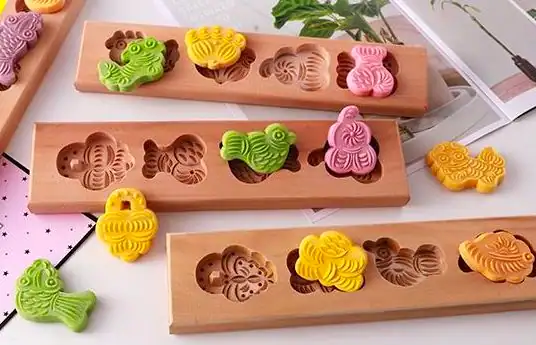
Eating Qiaoguo
Qiaoguo (巧果) is a traditional Qixi pastry. People often shape these small fried or baked treats like flowers, fruit, or animals.
Looking at Vega and Altair
People could look for Vega and Altair and remember the story of Zhinü and Niulang on opposite sides of the Milky Way.
Modern Qixi Dates and Gifts
Modern Qixi celebrations now share many features with Valentine’s Day. Couples may have dinner together, give flowers or chocolate, exchange gifts, take photos, or post romantic messages online.
Marriage registration can also become popular around Qixi because some couples choose the romantic date for their wedding paperwork.
How Do You Say Happy Qixi Festival in Chinese?
To say Happy Qixi Festival in Chinese, use:
七夕快乐!Qīxī kuàilè!Happy Qixi!
Another option is:
祝你七夕快乐!Zhù nǐ Qīxī kuàilè!Wishing you a happy Qixi!
For February 14, people may instead say 情人节快乐 (Qíngrén Jié kuàilè), meaning “Happy Valentine’s Day.”
Learning simple phrases like these can make everyday life more interesting for international students in China. You can also explore our guide to the best apps and websites to learn Chinese.
Does China Celebrate Valentine’s Day?
Yes. China celebrates several dates connected with love and romance.
In fact, Chinese people celebrate more than one date associated with romance
| Romantic date | When? | Origin | Main idea |
| Western Valentine’s Day | February 14 | Western/international | Flowers, gifts, dates |
| 520 Day | May 20 | Chinese internet culture | Online messages and modern romance |
| Qixi Festival | 7th day of the 7th lunar month | Traditional Chinese culture | Niulang and Zhinü, reunion and tradition |
So, if you are wondering does China celebrate Valentine’s Day, the answer is yes—but there is more than one romantic date.
Qixi has traditional Chinese roots, February 14 comes from Western culture. In contrast, 520 has modern, internet-based roots.
What Is the Difference Between Qixi and 520 Day?
The main difference is their origin.
Qixi has traditional roots. It comes from the lunar calendar and the ancient story of the Cowherd and Weaver Girl.
520 has modern, internet-based roots. In Chinese internet culture, 520 (wǔ èr líng) is a playful way to express love. People connect the number with 我爱你 (wǒ ài nǐ), meaning “I love you.” This helped turn May 20 into a popular romantic date.
In short:
- Qixi: traditional Chinese romance
- 520: modern internet romance
- February 14: Western Valentine’s Day
For more on modern Chinese digital culture, see our guide to Chinese internet sites and apps.
Celebrate Qixi as an International Student in China
Qixi can be a fun cultural experience even if you are not dating anyone.
International students can try qiaoguo, learn 七夕快乐, or visit a local cultural event. They can also look for Vega and Altair or celebrate with Chinese and international friends.
Festivals like Qixi are part of what makes study in China more than an academic experience. You can experience Chinese traditions, food, Chinese language and culture, and modern student life firsthand.
If you plan to study abroad in China, ApplyForChina can help you compare universities, programs, admission requirements, and scholarships. This makes it easier to prepare for both university and daily life in China.
You can also explore another major traditional celebration in our guide to the Dragon Boat Festival in China.
FAQs About Qixi Festival and Chinese Valentine’s Day
The Qixi Festival 2026 falls on Wednesday, August 19. It takes place on the seventh day of the seventh lunar month.
Qixi is a traditional Chinese festival linked to the love story of Niulang and Zhinü. Today, many people also know it as Chinese Valentine’s Day.
No. Qixi follows the Chinese lunar calendar and has traditional Chinese origins. Western Valentine’s Day takes place on February 14.
520 is an internet expression linked with “I love you.” This made May 20 another popular romantic date in China.
Say 七夕快乐 (Qīxī kuàilè), which means “Happy Qixi.”
No. The Qixi Festival is culturally important, but it is not a national public holiday.