
What Do People Eat in China? A Complete Food Guide
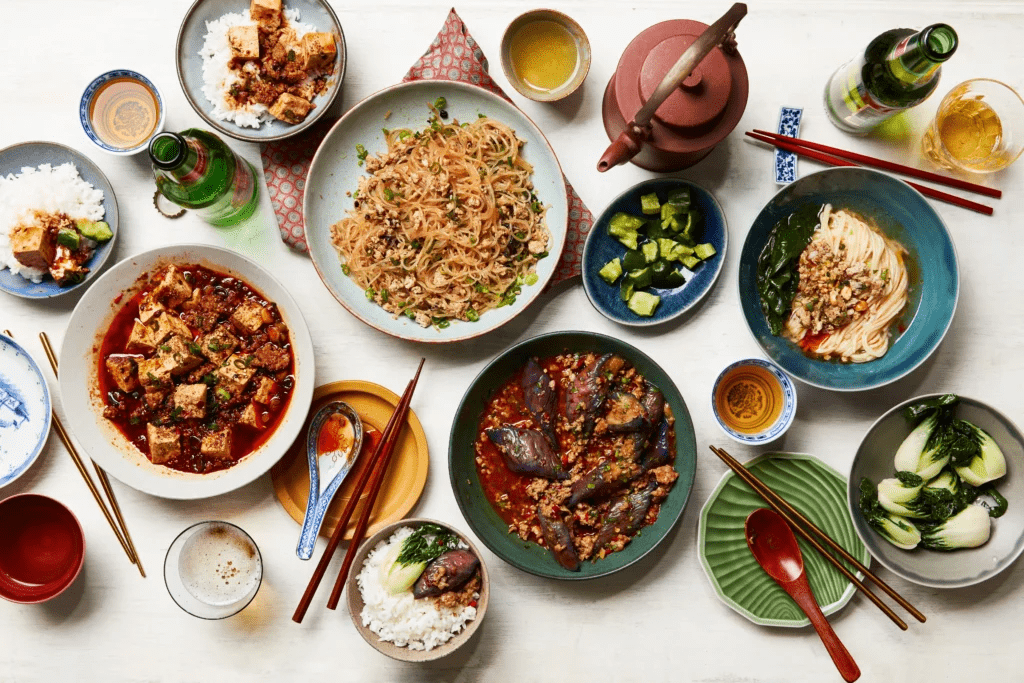
Food in China is diverse, regional, and usually easy to explore on a student budget. International students can eat everything from affordable campus meals to noodles, dumplings, hot pot, and late-night street food.
This guide covers what Chinese people eat, the Eight Great Cuisines, Chinese canteen and mala cuisine, dietary needs, and student food costs. It also shares useful Chinese food facts for anyone preparing to live or study in China.
- What Should You Know About Food in China?
- What Do Chinese People Eat Every Day?
- What Are the Most Popular Foods in China?
- What Are the Eight Great Chinese Cuisines?
- Chinese Canteen and Mala Cuisine: What Should Students Know?
- What Street Food Can You Try in China?
- Is Food in China Healthy?
- How Much Does Food Cost in China for Students?
- What Food in China Is Available for Students With Dietary Needs?
- What Food Can You Eat Near China University Campuses?
- Ready to Experience Food in China Yourself?
- Related Guides
- Frequently Asked Questions About Food in China
What Should You Know About Food in China?
Chinese food is not one single style. It includes many regional traditions, ingredients, cooking methods, and local habits.
Here are a few useful facts about Chinese food:
- Rice is a common staple across much of southern China, while noodles, dumplings, and buns are especially common in the north.
- The Eight Great Cuisines group eight major regional traditions. However, China has many more local and ethnic cuisines.
- Chinese cooking uses many seasonings. Common examples include soy sauce, vinegar, garlic, ginger, sesame oil, chili oil, and rice wine.
- Cooking methods include steaming, stir-frying, braising, boiling, roasting, and deep-fried cooking.
- China food history reflects local climate, agriculture, trade, and regional traditions.
These Chinese food facts show why Chinese food culture changes so much from one region to another.
What Do Chinese People Eat Every Day?
Popular food in China is not what most people expect from Chinese restaurants abroad. Everyday meals are often simpler than restaurant banquets. What people eat depends on the region, family, schedule, and personal taste.
Common foods include:
- Rice — A staple across much of southern China. It is commonly steamed plain, served as congee (rice porridge), or made into fried rice with egg, vegetables, or meat.
- Noodles — Especially common in northern China. They may come in broth, stir-fried, cold, or mixed with sauce. Rice noodles are also popular across many southern regions.
- Dumplings (Jiaozi) — pork or vegetable-filled pockets, eaten boiled, steamed, or pan-fried with vinegar and chilli oil
- Steamed buns (Mantou and Baozi) — plain or filled, eaten at breakfast or as a snack throughout the day
- Tofu — a core protein source across all regions, used in soups, stir-fries, cold dishes, and spicy dishes such as Mapo Tofu.
- Vegetables — Bok choy, Chinese cabbage, mushrooms, and other greens are common side dishes. They are often stir-fried with garlic or sauce.
- Eggs — Scrambled eggs with tomato are a popular home-style dish. Boiled eggs, century eggs, and salted eggs are also common.
Breakfast in China can look quite different from a Western breakfast. Common choices include congee, soy milk, steamed buns, jianbing, noodles, and youtiao. Youtiao are deep-fried dough sticks often eaten with soy milk or congee.
What Are the Most Popular Foods in China?
China has thousands of regional dishes. However, these popular Chinese foods are good starting points for international students.
Peking Duck (北京烤鸭)

Peking Duck is one of Beijing’s most famous dishes. Restaurants serve the crispy roast duck with thin pancakes, cucumber, spring onions, and sweet bean sauce.
Hot Pot (火锅)
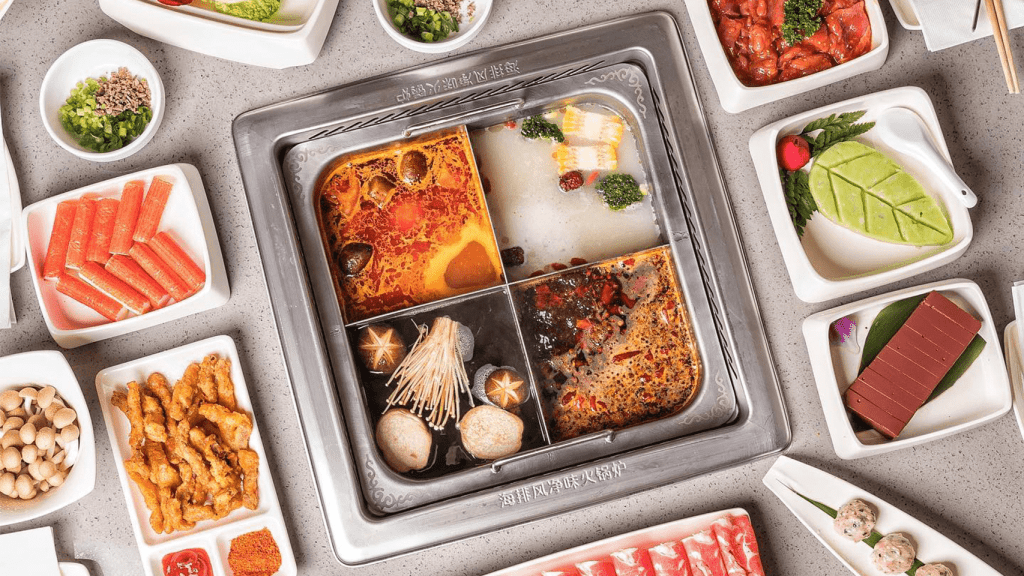
Hot pot is a shared meal where diners cook meat, tofu, vegetables, and noodles in simmering broth. Sichuan hot pot is spicy and numbing, while Cantonese versions usually use a lighter broth
Mapo Tofu (麻婆豆腐)
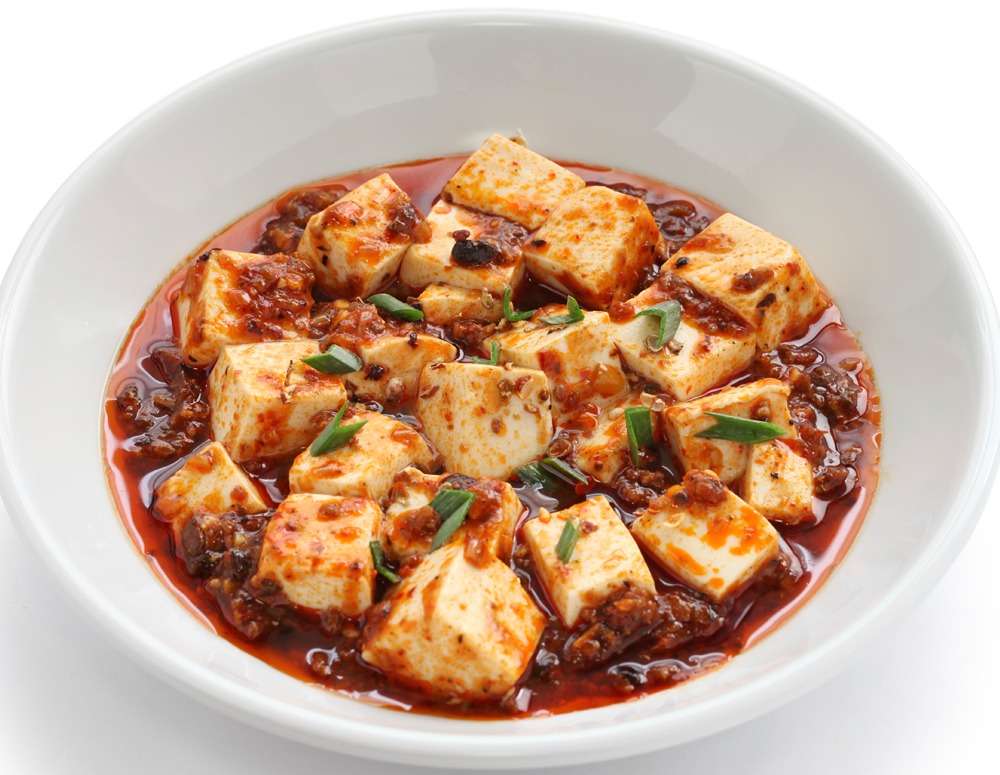
Mapo Tofu is a classic Sichuan cuisine dish. It combines soft tofu, minced pork, chili, Sichuan peppercorn, and fermented bean paste in a spicy, numbing sauce.
Kung Pao Chicken (宫保鸡丁)
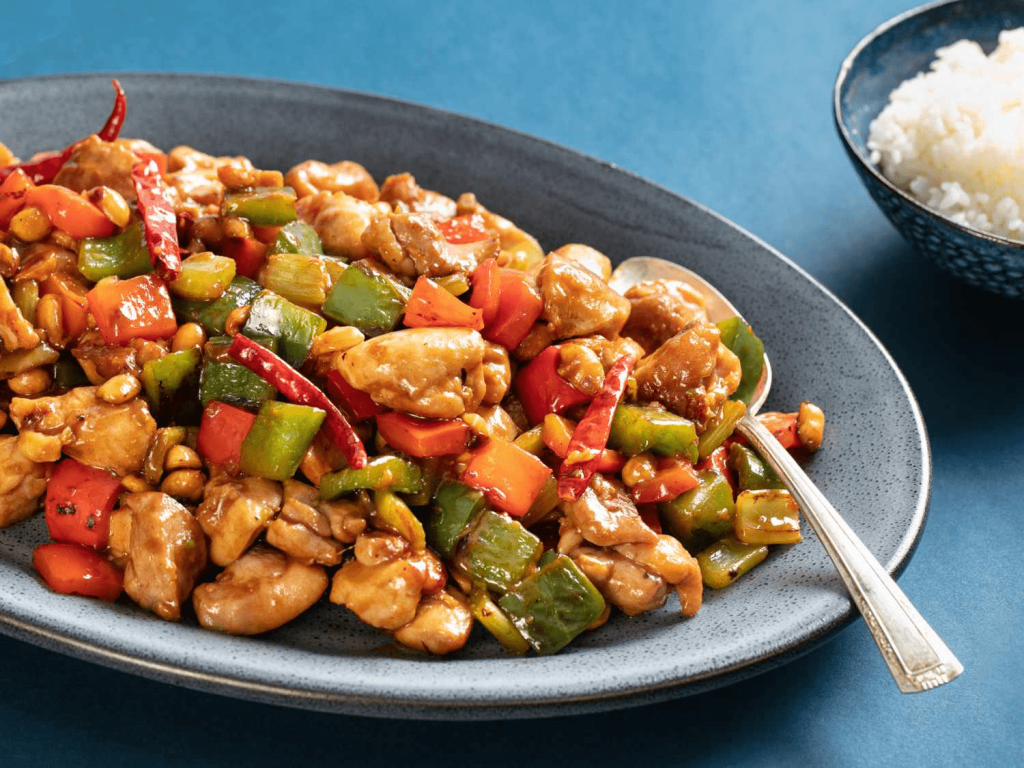
Kung Pao Chicken combines diced chicken, peanuts, dried chilies, and sauce. Traditional Sichuan cuisine versions also use Sichuan peppercorn. As a result, they can taste less sweet and more numbing than many Western-style versions.
Dumplings (饺子)
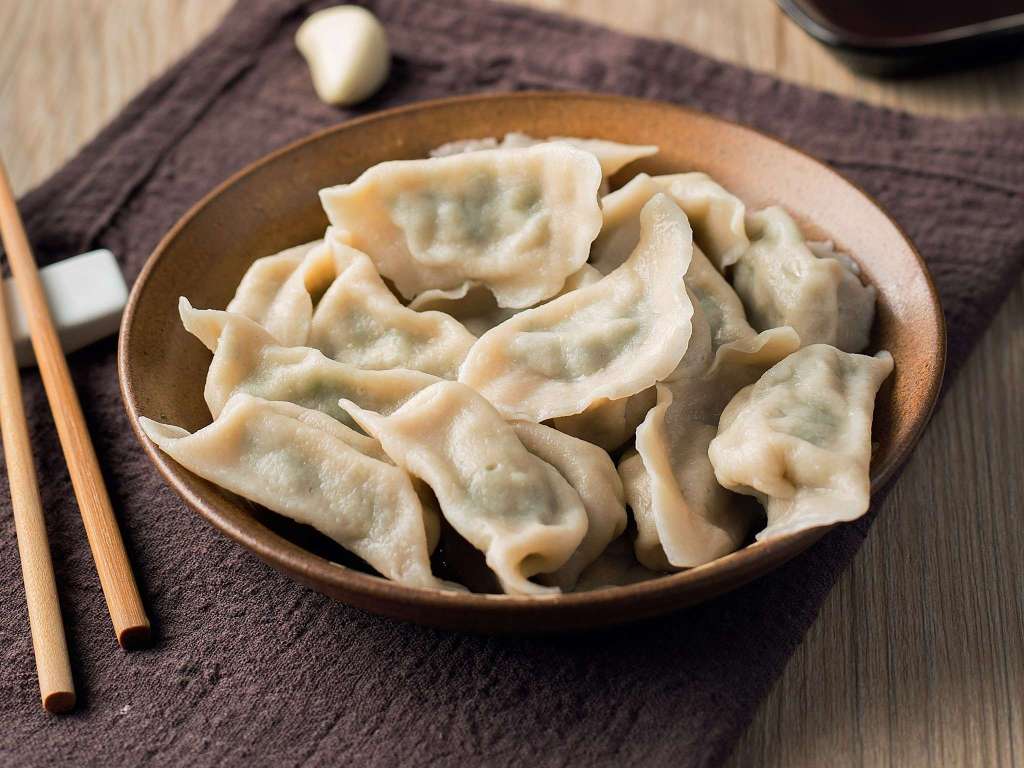
Dumplings are easy to find across China, with fillings that vary by region. They often come with vinegar, garlic, soy sauce, or chili oil.
Northern jiaozi usually have thicker wrappers, while Shanghai xiao long bao have thin skins and soup inside. A simple plate can cost around CNY 10–20.
Noodles (面条)
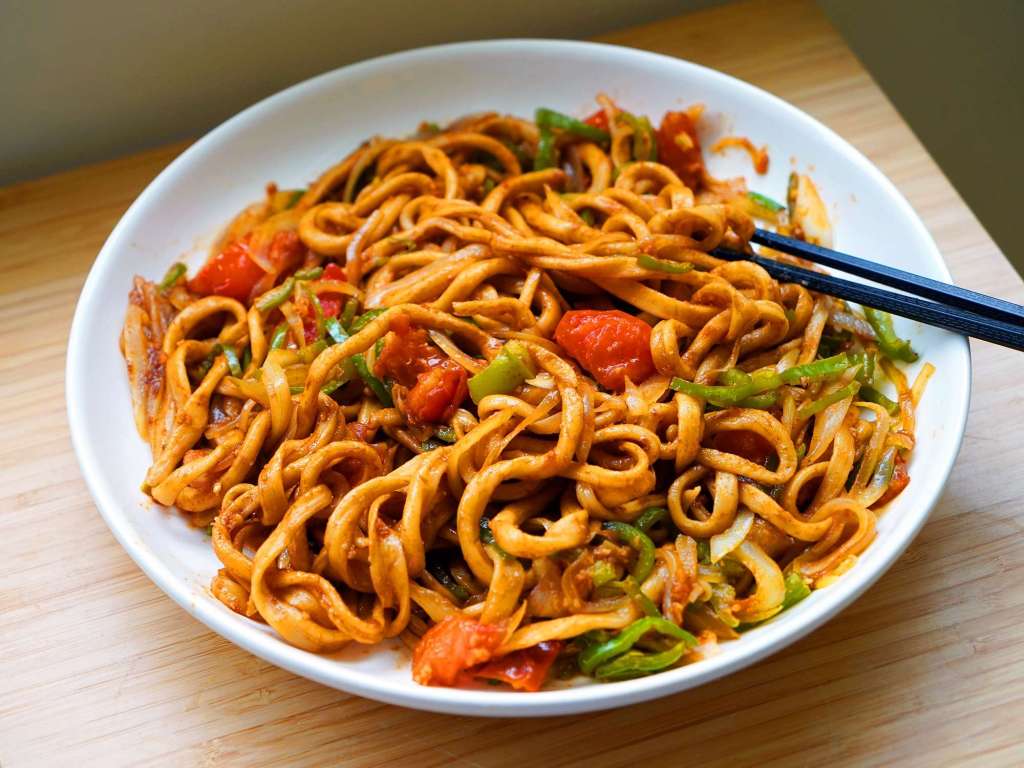
Noodles are a staple across China, with each region offering its own specialty. Popular examples include Lanzhou beef noodles, Wuhan hot dry noodles, Chengdu dan dan noodles, and Guilin rice noodles. Simple bowls can start at around CNY 8.
Jianbing (煎饼)

Jianbing is a thin breakfast crepe with egg, sauce, herbs, and a crispy cracker. Morning street stalls often sell it near campuses and metro stations for around CNY 7–12.
Char Siu (叉烧)

Char siu is Cantonese roast pork with a sweet glaze and is common in Guangdong and Hong Kong-style restaurants. In Sichuan, twice-cooked pork (回锅肉) is another famous dish. It is usually stir-fried with vegetables and a savory-spicy sauce.
These are only a few of the many Chinese cuisine dishes found across the country
What Are the Eight Great Chinese Cuisines?
The Eight Great Cuisines (八大菜系) group eight influential regional food styles. Each developed around local ingredients, climate, and traditions.
- Sichuan (川菜) — Known for its bold, numbing spice from Sichuan peppercorns. Famous dishes: Mapo Tofu, Hot Pot, Kung Pao Chicken. Chengdu is the centre of this cuisine.
- Cantonese (粤菜) — Known for dim sum, roast meats, seafood, and lighter seasoning. It has also strongly influenced Chinese restaurant food overseas, especially through Guangzhou and Hong Kong traditions.
- Jiangsu (苏菜) — Known for mild flavors, refined presentation, soups, and braised dishes.
- Zhejiang (浙菜) — Fresh and lightly seasoned, with seafood and bamboo shoots. Famous dishes include Dongpo Pork and West Lake Fish.
- Shandong (鲁菜) — A historically influential cuisine known for seafood, clear broths, garlic, and shallots. Dominant in northern China and historically the basis of imperial court cuisine.
- Fujian (闽菜) — Known for seafood and rich, umami broths. Famous dishes include Buddha Jumps Over the Wall and oyster omelettes.
- Hunan (湘菜) — Hunan cuisine relies heavily on fresh and dried chilies, smoked meats, and fermented vegetables. Unlike many Sichuan dishes, it usually uses less of the numbing Sichuan peppercorn flavour.
- Anhui (徽菜) — Known for braised and slow-cooked dishes using mushrooms, bamboo, and other mountain ingredients. Less well-known internationally but popular in central China.
Chinese Canteen and Mala Cuisine: What Should Students Know?
A Chinese canteen is a university dining hall with several counters or food stations. Students can usually choose rice dishes, noodles, dumplings, vegetables, soups, halal meals, and regional specialties.
Campus food is often one of the cheapest options. Beijing Language and Culture University estimates canteen food at about CNY 25–50 per day. Meanwhile, Shanghai International Studies University estimates about CNY 15 per meal
Mala cuisine gets its numbing-spicy flavor from Sichuan peppercorn and chili. In Chinese, má (麻) means numbing and là (辣) means spicy. Sichuan cuisine uses this flavor in dishes such as hot pot, malatang, and spicy stir-fries.
Some campus canteens also have malatang counters. Students pick vegetables, tofu, noodles, meat, or mushrooms, and staff cook them in broth. You can usually choose the spice level.
What Street Food Can You Try in China?
Street food is a visible part of everyday food culture in many Chinese cities. From breakfast stalls to evening food streets, the choices vary by region.
Popular Chinese street food includes:
- Jianbing — Savoury egg crepe, the most popular breakfast street food nationwide
- Roujiamo (肉夹馍) — flatbread filled with chopped braised meat. Called “China’s hamburger.” A Xi’an street food staple
- Skewers (串串) — grilled or boiled meat, tofu, mushrooms, or vegetables on bamboo sticks.
- Stinky Tofu (臭豆腐) — Fermented tofu with a strong smell but a much milder savory taste. A rite of passage for new students in China
- Cold Skin Noodles (凉皮) — Slippery rice or wheat noodles served cold with chilli oil, vinegar, and cucumber. A summer staple
- Fantuan (饭团) — glutinous rice wrapped around fillings such as egg, vegetables, pickles, or meat
- Milk tea and bubble tea(奶茶) — Popular across mainland China today. Bubble tea originated in Taiwan in the 1980s before spreading internationally.
Night markets and food streets are good places to try local snacks. Some university areas also have regular evening food stalls.
Is Food in China Healthy?
Many students wonder whether food in China is healthy. Traditional meals can be balanced, with vegetables, protein, and rice or noodles. Steaming, boiling, braising, and stir-frying are also common.
However, how healthy a meal is depends on what you order. Some restaurant dishes can be high in oil, salt, sugar, soy sauce, or chili oil. Foods that are deep fried or heavily sauced are usually richer.
Some common features of everyday Chinese food include:
- Plenty of vegetables — Leafy greens, cabbage, mushrooms, eggplant, and other vegetables are common side dishes.
- A wide range of proteins — Tofu, eggs, fish, chicken, pork, and other meats are widely used.
- Fermented ingredients — Pickled vegetables, fermented tofu, and fermented bean sauces are common in Chinese cooking.
- Steaming and boiling — These cooking methods are especially common in dishes such as steamed fish, dumplings, buns, and soups.
- Fresh ingredients — Local markets and supermarkets offer a wide range of fresh vegetables, meat, seafood, and tofu.
A simple student meal might include rice or noodles, one protein dish, and one or two vegetable dishes. University canteens usually make this kind of balanced meal easy and affordable
For a lighter meal, choose steamed, boiled, or simply stir-fried dishes. In contrast, deep fried and heavily sauced foods are usually richer.
How Much Does Food Cost in China for Students?
Food in China can be affordable for international students, especially at university canteens and local restaurants.
| Meal type | Typical cost (CNY) |
| University canteen meal | 8–20 |
| Simple breakfast | 5–15 |
| Noodle or rice meal | 10–30 |
| Local restaurant meal | 20–50 |
| Hot pot per person | 50–120 |
| Milk tea or bubble tea | 10–30 |
| Western or international meal | 35–100+ |
| Mid-range restaurant meal | 40 – 100+ |
A practical student food budget is around CNY 1,000–1,800 per month. Canteen meals and local restaurants keep costs lower. However, café drinks, international food, and restaurant meals can raise your spending.
Many students use Meituan and Eleme for food delivery. However, frequent orders can raise monthly costs.
For a full walkthrough, read our guide on how to order food delivery in China as a foreigner.
What Food in China Is Available for Students With Dietary Needs?
Most students can find suitable food, but some diets need extra planning.
- Vegetarian — Tofu, rice, noodles, vegetables, and mushrooms are easy to find. However, ask whether dishes contain meat stock or lard.
- Vegan — Rice, tofu, noodles, and vegetable dishes are common. Check sauces and cooking oils before ordering.
- Halal (清真) — Halal restaurants are common in many cities, and some university canteens have Muslim dining sections. Look for the 清真 (qīngzhēn) sign.
- Gluten-free — More difficult because wheat noodles, dumpling wrappers, buns, and many types of soy sauce contain wheat. Plain rice and some rice noodles may be easier choices.
- Pork-free — Halal restaurants are the simplest option. Seafood, chicken, beef, and vegetarian restaurants may also work, but ask whether pork or lard is used.
Students with medical dietary restrictions should always confirm ingredients directly.
What Food Can You Eat Near China University Campuses?
Most universities in China have several food options on or near campus.
- University canteen (食堂) — Offers rice dishes, noodles, vegetables, dumplings, soups, and regional food for around CNY 8–20.
- Campus night market — Many universities run weekly or daily night markets with student vendors selling snacks, skewers, and desserts
- Surrounding streets — Often have noodle shops, hot pot, barbecue, bubble tea, local restaurants, and international chains.
- Food delivery — Meituan and Ele.me are widely used for meals, drinks, and groceries
- Supermarkets — RT-Mart, Walmart China, and local supermarkets stock a full range of ingredients for self-catering. Instant noodles, eggs, rice, and frozen dumplings are student staples
Students can also read about what student life looks like in our guide to student life in China.
Ready to Experience Food in China Yourself?
Trying local food is one of the easiest ways to experience Chinese food culture while studying abroad.
A campus canteen can keep daily costs low. Meanwhile, regional restaurants, food streets, and hot pot meals give students a chance to explore local culture outside the classroom.
Planning to study in China? ApplyforChina can help you compare universities, programs, cities, scholarships, and student living costs.
Book a free consultation to get started.
Related Guides
- What to Prepare Before Studying in China
- Cost of Living in China for International Students
- China Student Life: Dorms, Food, Budget & Culture
- How to Order Food Delivery in China as a Foreigner
- Top Chinese Internet Sites You Should Know in 2026
- Top 5 Budget-Friendly Cities in China
Frequently Asked Questions About Food in China
Common foods include rice, noodles, vegetables, tofu, eggs, dumplings, soups, and steamed buns. Meals differ by region.
A Chinese canteen is a university dining hall with several food counters. Meals are affordable and usually include rice, noodles, vegetables, and regional dishes.
Mala is a numbing-spicy flavor from Sichuan cooking. Sichuan peppercorn adds the numbing feeling, while chili adds heat.
They are Sichuan, Cantonese, Jiangsu, Zhejiang, Shandong, Fujian, Hunan, and Anhui cuisine.
A simple canteen meal often costs around CNY 8–20. Students who mostly eat canteen and local food can plan roughly CNY 1,000–1,800 per month, depending on the city and their eating habits.
It can be. Many meals combine vegetables, protein, and rice or noodles. Steamed and simply cooked dishes are usually lighter.
Yes. Halal food is available in many cities and some university canteens. Vegetarian and vegan students can find tofu, vegetables, rice, noodles, and specialist restaurants. If your diet is strict, always confirm stocks, sauces, and cooking oils.
Common breakfasts include congee, jianbing, steamed buns, youtiao, noodles, and soy milk. Many people pick up breakfast from street stalls or small local shops on the way to work or school.