
Chinese Religion and Culture: A Student’s Guide
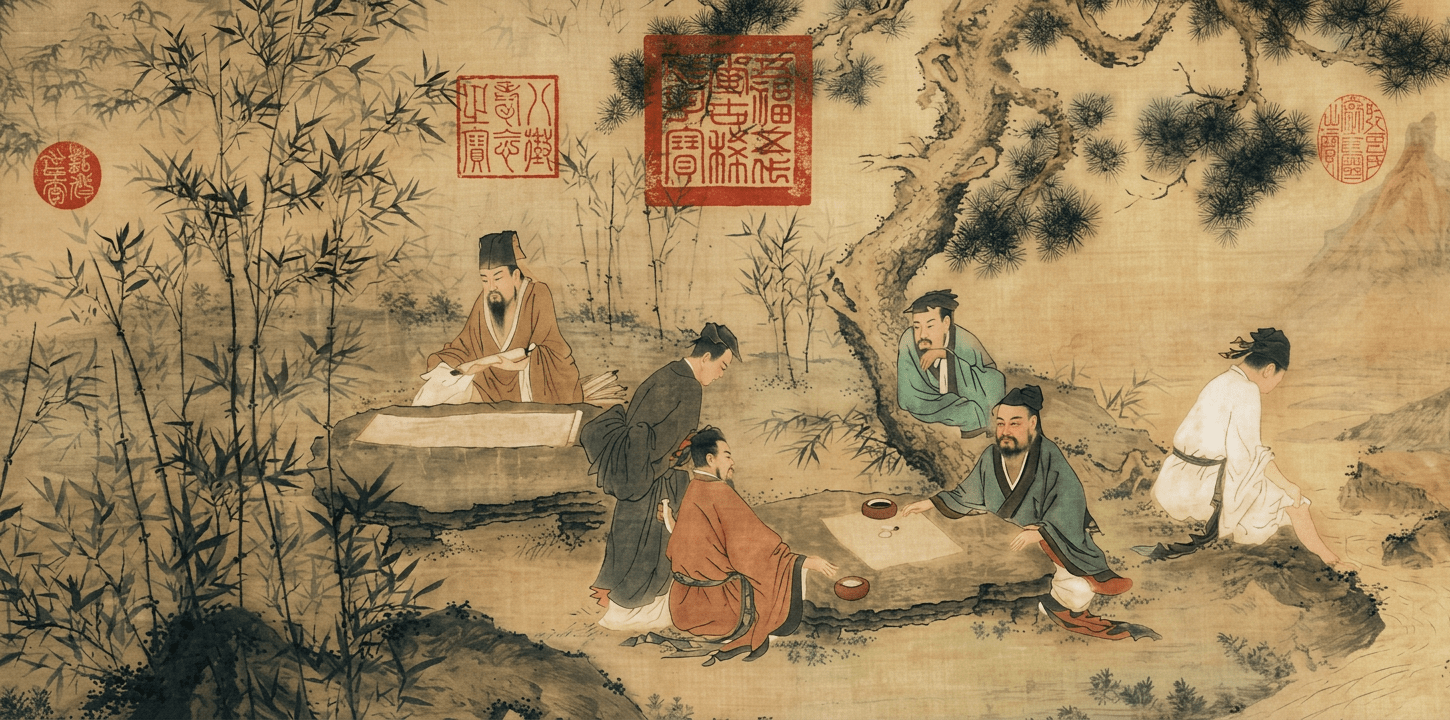
Chinese religion and culture are closely connected. Confucianism, Daoism, Buddhism, and Chinese folk religion have all shaped family life, festivals, values, and spiritual customs in China.
Many Chinese people take part in beliefs or practices from more than one tradition. However, many do not identify with a formal religion.
This guide explains the main Chinese religious traditions and their links to Chinese religion and philosophy. It also shows what international students may notice while living in China.
Quick Answer: What Is Chinese Religion and Culture?
Chinese religion and culture include Confucianism, Daoism, Buddhism, folk beliefs, ancestor traditions, and local customs.
Confucianism, Daoism, and Buddhism form the Three Teachings (三教, Sān Jiào). China also officially recognizes Buddhism, Daoism, Islam, Catholicism, and Protestantism.
However, religious identity tells only part of the story. Pew Research Center found that only about 1 in 10 Chinese adults identify with a religion. However, many more take part in spiritual or traditional practices.
What Are the Three Teachings of Chinese Religion?
The Three Teachings are Confucianism, Daoism, and Buddhism. They have shaped Chinese religion and philosophy for over 20 centuries.
Pew Research Center, notes that these traditions often overlap in everyday belief and practice
Confucianism (儒家, Rújiā)

Confucianism began with Confucius, or Kongzi (孔子), who lived from 551 to 479 BCE. It became a major school of thought in Chinese philosophy.
Confucianism focuses on ethics, social order, education, family duty, and filial piety. Some scholars discuss it as a religion, while others see it mainly as an ethical and philosophical tradition.
During the Han dynasty, Confucian ideas became increasingly important in government and education.
Core Confucian principles:
- Ren (仁) — Benevolence and kindness toward others
- Li (礼) — Ritual propriety and correct social behaviour
- Yi (义) — Righteousness and moral duty
- Filial piety (孝, Xiào) — Deep respect for parents and ancestors
Confucian ideas still influence family life, education, and respect for elders and teachers. However, classroom culture varies across China.
Daoism or Taoism (道家/道教, Dàojiā/Dàojiào)
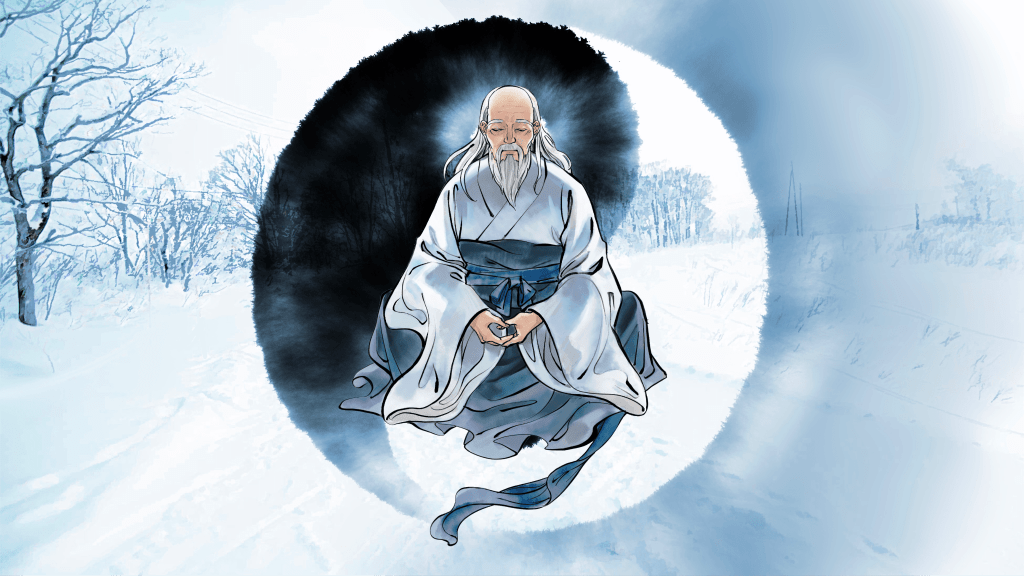
Daoism includes both philosophical and religious traditions. Laozi and texts such as the Tao Te Ching (道德经) shaped early Daoist thought.
Daoism teaches people to live in harmony with the Dao, or natural order. Religious Daoism began to develop around the second century CE, after centuries of earlier Daoist thought.
Core Taoist concepts:
- Wu Wei (无为) — Non-action or effortless action; going with the natural flow rather than forcing results
- Yin and Yang (阴阳) — Opposite forces that work together to create balance. Examples include dark and light, cold and hot, or passive and active.
- Qi (气) — The vital energy that flows through all living things
Daoist ideas such as yin and yang, qi, harmony, and balance influenced many parts of Chinese culture.
In addition, related ideas appear in traditional Chinese medicine, qigong, tai chi, and feng shui. However, these practices developed from several parts of Chinese philosophy and culture rather than from Daoism alone.
Buddhism (佛教, Fójiào)

Buddhism entered China from India via the Silk Road around the 1st century CE. Over time, it developed several Chinese schools.
Buddhist teachings focus on suffering, compassion, karma, and the path toward enlightenment.
In China, Buddhism developed several schools. Chan Buddhism (禅, Chán) blended Indian Buddhist thought with Daoist ideas, creating a distinctly Chinese tradition. It later influenced Zen Buddhism in Japan.
Buddhism remains one of China’s most visible religious traditions. Its teachings about karma, compassion, reincarnation, and life and death have also influenced Chinese culture.
Buddhist cultural expressions students will encounter:
- Temple visits, offerings, and burning incense
- Vegetarian Buddhist food and temple restaurants
- Festivals to honour the dead such as Qingming Festival and Hungry Ghost Festival
- Meditation and mindfulness practices on university campuses
What Is Folk Religion in China?
Chinese folk religion (中国民间宗教) is the most widespread belief system in China alongside the Three Teachings.
Chinese folk religion is not one organized religion. It includes local belief systems and customs involving ancestors, deities, spirits, temples, lucky dates, and feng shui.
In practice, these traditions often overlap with Confucianism, Daoism, Buddhism, and older ancient Chinese beliefs.
Folk religion centres on:
- Ancestor traditions — Some families keep home shrines or make offerings to relatives who have died. During Qingming, families may also visit and clean ancestral tombstones.
- Local deities and spirits — Different communities honour different gods and spirits. Well-known examples include the Kitchen God (灶神), God of Wealth (财神), and sea goddess Mazu.
- Fortune telling — Some people visit fortune tellers or use the Chinese almanac (黄历) and temple oracle sticks before important events.
- Feng shui — This tradition looks at how people and spaces relate to their surroundings. It has influenced Chinese design and architecture, including homes, interiors, gardens, and building layouts.
However, folk religion is hard to measure because many people see these practices as customs rather than a separate religion.
For example, traditional beliefs still appear in everyday life:
- 47% of Chinese adults said they believed in feng shui.
- 62% considered lucky dates when planning important events.
- About three-quarters had visited a family member’s grave in the previous year.
However, people may see these as cultural or family customs rather than formal religion.
What Are the Main Religions Practised in China Today?
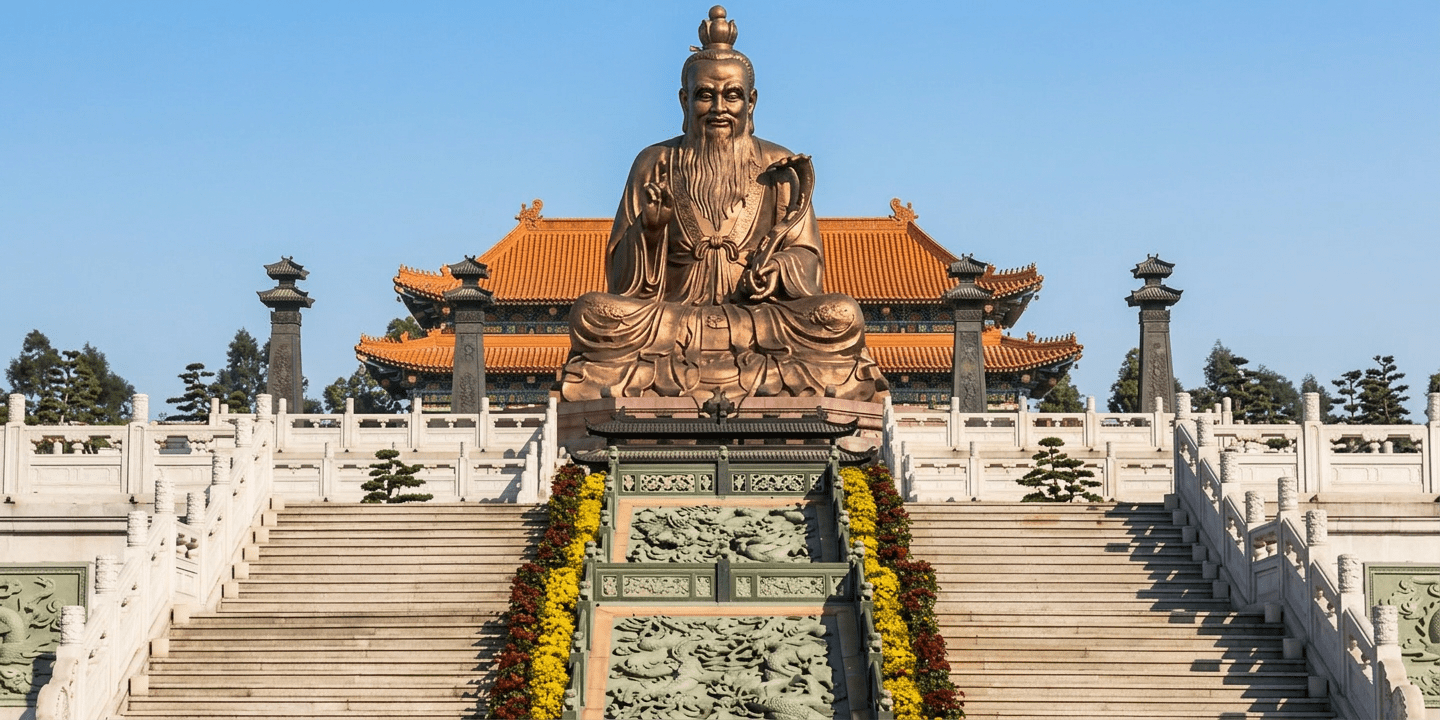
China officially recognizes five religions. Here is how each appears in everyday Chinese life:
| Tradition | How It Appears in Daily Life |
|---|---|
| Buddhism | Temples, monasteries, incense, and Buddhist art |
| Daoism | Temples, rituals, tai chi, and traditional practices |
| Islam | Mosques, halal food, and Muslim communities |
| Catholicism | Catholic churches and communities |
| Protestantism | Protestant churches and communities |
| Confucianism | Education, family values, and social ethics |
| Chinese folk religion | Ancestor customs, local deities, feng shui, and festivals |
Religious identity in China can be difficult to measure. For more detail on religious groups and their size, read What Is the Main Religion in China?
How Has Chinese Religion and Philosophy Changed Through History?
- Ancient China: Ancestor veneration, local deities, and spiritual rituals existed before the major organized traditions.
- Han dynasty: Confucianism grew in government and education. Buddhism also began spreading into China.
- Later dynasties: Buddhism, Daoism, Confucianism, and folk traditions influenced one another.
- Ming dynasty: Ming dynasty: The government regulated temples and religious groups and supported some Daoist practices.
- Cultural Revolution: From 1966 to 1976, the government restricted religion and closed many religious sites.
- From the 1980s: Religious activity grew again. Communities reopened and restored many temples, mosques, and churches.
How Does Religion Shape Chinese Culture?
- Family values — Confucian ideas about filial piety, education, family duty, and social harmony still influence Chinese culture.
- Festivals — Qingming honours ancestors. The Hungry Ghost Festival mixes Buddhist, Daoist, and folk traditions. Chinese New Year also includes traditions linked to luck, protection, ancestors, and deities.
- Language — Many Chinese words and expressions reflect Buddhist, Daoist, Confucian, and folk ideas. 缘分 (yuánfèn), for example, describes a connection brought about by fate or circumstance.
- Art and architecture — Religious ideas appear in temples, sculpture, paintings, calligraphy, gardens, and traditional design.
- Traditional Chinese medicine — TCM uses ideas such as qi, yin and yang, balance, and the Five Phases. Read more in our guide to traditional Chinese medicine and study in China.
Religion is only one part of China’s wider culture. For more examples of family life, etiquette, festivals, and social habits, read our guide to Chinese customs and traditions.
What Are 5 Facts About Chinese Culture and Religion?
- People may follow several traditions. For example, a person may follow Confucian family values, visit a Buddhist temple, and use feng shui. They may not see these as separate religions.
- China is officially secular. The Communist Party is atheist, but religious and spiritual traditions remain part of life for many people.
- Eight is a lucky number. 八, bā sounds similar to 发, fā, a word linked to wealth and prosperity. People may prefer eight in phone numbers, addresses, car plates, or wedding dates.
- Temples are active spaces. Visitors may light incense, pray, make wishes, use oracle sticks, or simply explore the temple as a cultural site.
- Religion influenced health and wellness ideas. Concepts such as qi and yin and yang appear in TCM, qigong, tai chi, and other traditional practices.
What Will You Experience as an International Student?
International students may encounter Chinese religion and culture through festivals, temples, campus life, food, and everyday customs.
- Temple visits — Many cities have Buddhist or Daoist temples. Students can visit them to learn about religion, history, art, and architecture.
- Campus culture — Many universities value respect for teachers, careful listening, and teamwork. Some of these traditions have Confucian roots.
- Festivals — Chinese New Year celebration, Qingming, and spring festival and Mid-Autumn Festival let students experience Chinese traditions firsthand.
- Daily life — Students may encounter feng shui, TCM, herbal teas, halal food, temple visits, and ancestor traditions.
Ready to Experience Chinese Culture in Person?
Learning about Chinese religion and culture can help you understand daily life in China. Ask questions, join festivals, and explore local traditions when you have the chance.
If you plan to study in China, Apply for China can help you choose the right university, city, and program.
Contact Apply for China for a free consultation.
Related Articles
- What Is the Main Religion in China?
- Chinese Customs and Traditions
- Traditional Chinese Medicine Study Guide
- Lantern Festivals and Light Celebrations in China
- Dragon Boat Festival and Racing in China
Pertanyaan yang Sering Diajukan
China officially recognises five religions: Buddhism, Taoism, Islam, Catholicism, and Protestantism. Confucianism and Chinese folk religion are also culturally important but are not part of the five formal religious categories.
The Three Teachings are Confucianism, Daoism, and Buddhism. They have influenced Chinese philosophy, family values, spiritual practices, art, and social customs for centuries.
Chinese folk religion includes local beliefs and customs involving ancestors, deities, spirits, temple rituals, feng shui, and lucky dates. These practices often overlap with Buddhism, Daoism, and Confucianism.
From 1966 to 1976, the government heavily restricted religion during the Cultural Revolution. Many religious sites closed or suffered damage. Religious activity grew again from the 1980s.
There is no single answer. Some people view it mainly as an ethical and philosophical tradition. Others also study its rituals and beliefs as religious practices.
No. China does not have one national religion. China is officially secular. However, the government recognizes five formal religions. Many people also follow cultural or spiritual traditions without joining an organized faith.