Does China Celebrate Christmas? Chinese Christmas Traditions

Christmas became much more visible in urban China during the country’s reform and opening period. Over time, international brands, hotels, restaurants, shopping malls, and popular culture helped make the holiday more familiar.
Today, Chinese Christmas celebrations often mix Western holiday symbols with local habits and social traditions.
Despite not being a religious country, Christmas has become popular in China. People enjoy the festive atmosphere and the unique celebrations. Young people, in particular, enjoy the fun and romantic vibe of the holiday.
In many places across China, you can see Christmas trees and bright lights. Special events also happen in malls and on the streets. These sights give the people in China a taste of the Christmas spirit.
How Do People Celebrate Christmas in China?
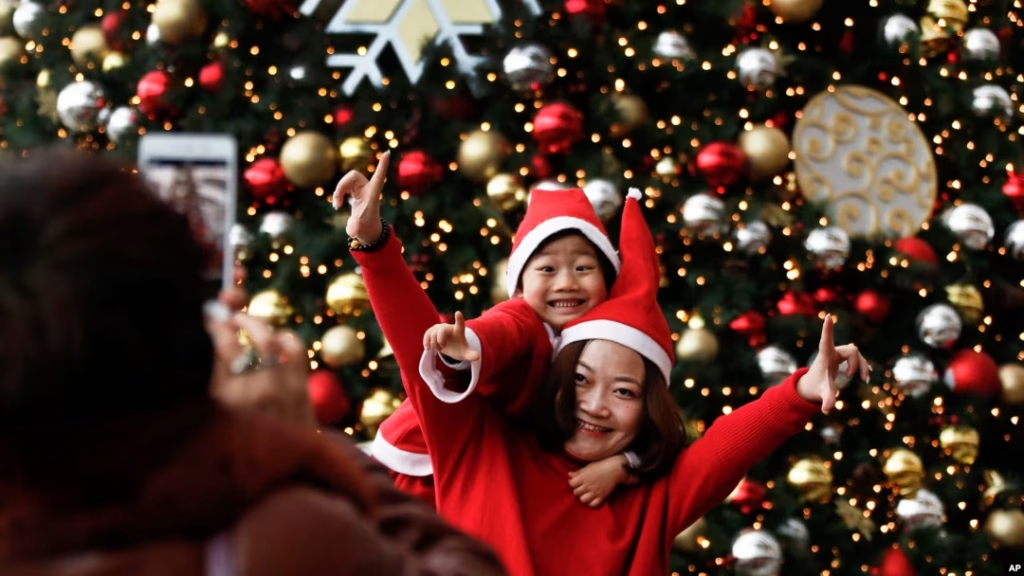
Yes, people celebrate Christmas in China, but the experience can be quite different from a traditional Western Christmas.
In large cities, you may see:
- Christmas trees and holiday decorations
- Santa Claus displays in shopping malls
- Christmas gifts and seasonal promotions
- Special dinners and café menus
- Christmas markets and holiday events
- Couples going on dates
- Friends meeting for dinner or entertainment
For many younger people, Christmas is a chance to spend time with friends, exchange gifts, or enjoy the festive atmosphere. Chinese reporting has also described Christmas as more closely linked with friendship, entertainment, and shopping than family reunion.
It is more about showing care and affection than the religious meaning it has in other parts of the world.
The Tradition of Giving Apples
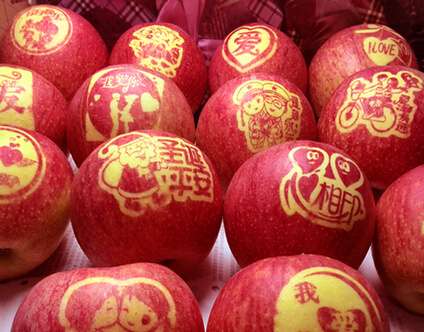
One unusual Chinese Christmas tradition is giving apples on Christmas Eve.
Christmas Eve is called 平安夜 (Píng’ān Yè), meaning Peaceful Night. The word for apple, 苹果 (píngguǒ), shares the sound píng with 平安 (píng’ān), meaning peace or safety.
Because of this wordplay, people sometimes give decorated peace apples to friends, classmates, or partners as a wish for peace and safety. Chinese media have documented this modern Christmas Eve custom for years.
In the West, Christmas gifts are more varied and personal, with no specific focus on one type of item like apples. But in China, the apple has become a special symbol for Christmas.
Christmas in China for Young People

For many young people in China, Christmas is more like a holiday of love.
Couples exchange gifts and plan romantic dates. Restaurants and malls put up Christmas decorations and offer discounts to attract these young couples.
Christmas has become a time to express love and friendship rather than focusing on family gatherings like in the West.
How to Say Merry Christmas in Chinese
The most common way to say Merry Christmas in Chinese is:
圣诞快乐 (Shèngdàn kuàilè) — Merry Christmas
You may also see these useful Christmas words:
- 圣诞节 (Shèngdàn Jié) — Christmas Day
- 平安夜 (Píng’ān Yè) — Christmas Eve
- 圣诞老人 (Shèngdàn Lǎorén) — Santa Claus
- 圣诞树 (Shèngdàn shù) — Christmas tree
These are standard Christmas terms used in Mandarin Chinese.
Christmas Markets, Shopping Malls and Decorations
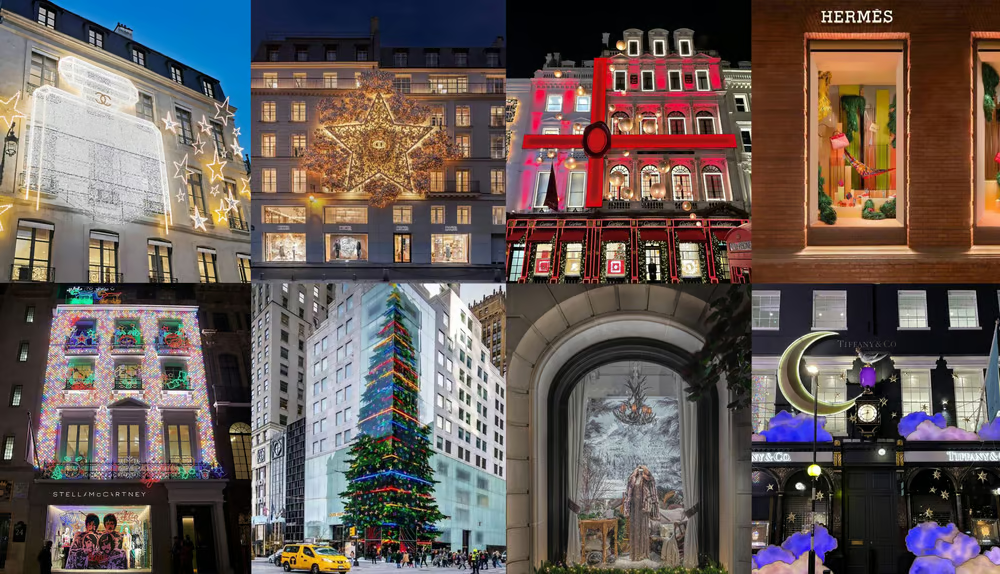
Christmas in China is especially visible in commercial areas.
During the holiday season, shopping malls, hotels, cafés, and restaurants may put up Christmas decorations, Christmas trees, Santa Claus displays, and seasonal menus. Some cities also host Christmas markets, themed events, live music, and winter activities.
The scale varies by city and year, but these public displays are often the easiest way for international students to experience Christmas in China.
Is Christmas a Public Holiday in China?
Christmas is not a national public holiday in mainland China. Schools, universities, offices, and businesses normally follow their usual schedules unless they organize their own Christmas activities. China’s official 2026 public-holiday calendar does not include Christmas.
Hong Kong and Macao have different holiday systems. In 2026, Christmas Day is a general holiday in Hong Kong, while Macao’s government calendar includes both Christmas Eve and Christmas Day for public employees.
Christmas in China: Final Thoughts
Christmas in China mixes imported holiday traditions with local social customs.
You may see Christmas trees, decorated malls, Christmas gifts, romantic dates, special events, and the Chinese tradition of giving peace apples on Christmas Eve.
For international students, the holiday offers another way to see how global traditions can take on a different meaning in modern China.
Ready to Experience Christmas in China as an International Student?
Study in China and experience local traditions, campus life, and seasonal events for yourself.
Get Application Support from Apply For China
Frequently Asked Questions About Christmas in China
Yes. Christmas is celebrated in China, especially in large cities, but it is usually more social and commercial than religious for the wider public.
Not in mainland China. December 25 is normally a regular work and study day. Hong Kong and Macao have different holiday arrangements.
Common modern traditions include Christmas decorations, dinners with friends, gift exchanges, romantic dates, and giving peace apples on Christmas Eve.
The custom comes from Chinese wordplay. Christmas Eve is called Píng’ān Yè, while apple is píngguǒ. The shared píng sound helped inspire the peace-apple tradition.
Say 圣诞快乐 (Shèngdàn kuàilè).
Yes, some major cities host seasonal Christmas markets and holiday events, although the size and style vary by city and year.