
Apartments in China: Rent, Costs & Student Guide

Planning to study in China means thinking beyond universities, tuition, and visas. For students living off campus, learning how to rent an apartment in China can help with housing and budget planning.
For many international students, apartments in China offer more privacy and independence than university dormitories. However, renting an apartment in China also comes with extra responsibilities. You need to understand deposits, contracts, utilities, registration, and rental platforms.
This guide explains what Chinese apartments are like and how much rent costs in China. It also covers rental platforms, lease checks, and what to prepare before moving in.
Quick Answer: What Should Foreigners Know About Apartments in China?
Most international students in China choose between:
- university dormitories
- shared apartments
- private apartments
- serviced apartments
- short-term rentals
Rent in China depends heavily on the city and district. Beijing, Shanghai, and Shenzhen usually cost more. Chengdu, Chongqing, Guangzhou, and Hangzhou often offer better value.
Landlords may also ask for a security deposit and rent in advance. Before signing a lease, check the apartment and total monthly cost. Also review the contract and confirm that the landlord can help with accommodation registration.
Foreigners living outside hotels must also complete accommodation registration after moving in.
- Quick Answer: What Should Foreigners Know About Apartments in China?
- What Are Apartments in China Like?
- What Types of Housing Can Students Choose in China?
- Dorm vs Apartment in China: Which Is Better?
- How Much Does It Cost to Rent an Apartment in China?
- What Does Renting an Apartment in China Cost Besides Rent?
- How to Rent an Apartment in China
- How Do Rental Contracts and Deposits Work in China?
- Do Foreigners Need to Register After Moving Into an Apartment?
- How Do Water and Electricity Bills Work in China?
- What Internet Options Are Available?
- What Are the Best Websites to Rent an Apartment in China?
- How to Rent an Apartment in China Safely
- What Should You Do After Moving In?
- Is Renting an Apartment in China Worth It for International Students?
- Final Thoughts
- Frequently Asked Questions About Apartments in China
- Related Articles You Might Be Interested In
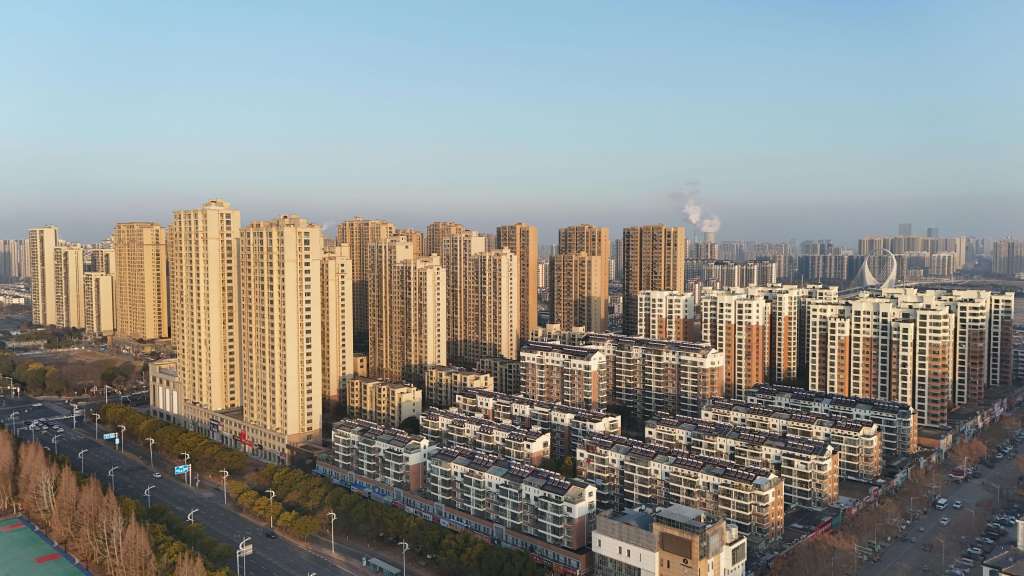
What Are Apartments in China Like?
Most apartments in China are in high-rise buildings or gated residential compounds. A typical apartment may include:
- Living space: One or more bedrooms, a living room, kitchen, bathroom, and sometimes a balcony or laundry area.
- Basic appliances: Air conditioning, a washing machine, water heater, and refrigerator are common.
- Furniture: Landlords often advertise apartments as furnished, but what they provide can vary.
- New vs. older buildings: Newer apartments often have better facilities. Older units may cost less but can have smaller kitchens, older bathrooms, or no elevator.
- Before renting: Ask which furniture and appliances come with the apartment. Test them during the viewing.
What Types of Housing Can Students Choose in China?
International students can choose from several housing options depending on their budget, lifestyle, and study plans.
University Dormitories
University dormitories are usually the easiest and most affordable choice for new international students. They are usually close to campus facilities. However, students may have less privacy and fewer choices over rooms, roommates, and cooking.
Shared Apartments
Shared apartments are a lower-cost option for students who want to live off campus. You usually rent one bedroom and share the kitchen, bathroom, and living areas with other tenants.
Private Apartments
Private apartments offer more privacy, space, and independence. However, students usually pay higher rent and must manage utilities, deposits, contracts, and accommodation registration themselves.
Serviced Apartments
Serviced apartments often come furnished and may offer cleaning, reception, security, or building services. They are convenient but often more expensive than standard apartments.
Short-Term Rentals
Short-term rentals are useful for students who have just arrived in China and are not ready to sign a long lease. They give you time to explore neighborhoods, compare rental prices, and visit apartments before choosing a permanent home. Students planning to stay long term should compare lease terms carefully
Dorm vs Apartment in China: Which Is Better?

The right choice depends on your budget, lifestyle, and experience living in China.
| Factor | University Dorm | Private Apartment |
| Monthly cost | Usually lower | Usually higher |
| Privacy | Lower | Higher |
| Living space | Usually smaller | Usually larger |
| Campus access | Usually convenient | Depends on location |
| Cooking | May be limited | Usually easier |
| Registration | Usually simpler | Requires more attention |
| Local experience | More campus-focused | More neighborhood-based |
| Best for | New students | Students familiar with the city |
For many first-year international students, a dormitory is the simpler starting point.
After living in China for a semester, students may understand the city, transport system, and rental market better. They can then decide whether moving to an apartment is worth the additional cost and responsibility.
How Much Does It Cost to Rent an Apartment in China?
One of the most common questions is: how much does rent cost in China?
Average rent in China varies widely between cities and districts. Housing costs are usually higher in central areas, especially in Beijing and Shanghai.
When comparing apartments in major cities in China, consider both rent and access to public transport. Apartments near the city center or a subway station usually cost more. Homes farther away are often cheaper.
The following ranges are broad examples for students comparing major cities.
| City | Shared Room / Shared Apartment | Private Studio or 1BR | General Cost Level |
| Beijing | CNY 1,500–3,000/month | CNY 4,000–7,500/month | High |
| Shanghai | CNY 3,000–5,000/month | CNY 5,000–8,000/month | High |
| Shenzhen | CNY 2,000–3,500/month | CNY 2,500–8,500/month | Medium to high |
| Guangzhou | CNY 2,000–3,000/month | CNY 3,000–5,000/month | Medium |
| Hangzhou | CNY 2,000–3,000/month | CNY 3,000–6,000/month | Medium |
| Chengdu | CNY 1,500–2,500/month | CNY 2,500–5,000/month | Lower |
| Chongqing | CNY 1,500–2,500/month | CNY 2,000–4,000/month | Lower |
These are general market ranges rather than fixed prices. Rent depends on the apartment size, building age, locati0n, and furniture. Subway access and the neighborhood also affect the price.
Beijing: Chaoyang and Haidian usually cost more, while areas farther out can offer better value near subway lines.
Shanghai: Jing’an and Xuhui usually cost more, while outer districts can be cheaper with good metro access.
Shenzhen: Futian and Nanshan tend to cost more than Bao’an and Longgang.
Guangzhou: Rent near universities, business districts, and major metro stations is usually higher.
Hangzhou: Areas near West Lake and major business districts usually cost more.
Chengdu: Central and newer apartments cost more, but the city generally offers better value than Beijing or Shanghai.
Chongqing: Check travel time carefully because the city’s layout can make short distances take longer.
What Does Renting an Apartment in China Cost Besides Rent?
Your monthly budget should include more than the advertised rent.
Before signing, ask whether the rent will include utilities. If not, check how you will pay for water, electricity, gas, and internet.
| Cost | What to Check |
| Monthly rent | Amount and payment schedule |
| Security deposit | Amount and refund conditions |
| Upfront rent | Whether rent is paid monthly or several months in advance |
| Agency fee | Whether an agent charges a commission |
| Property management fee | Whether it is included in rent |
| Water bills | Billing method and rate type |
| Electricity bills | Billing method and rate type |
| Gas | Whether the apartment uses piped gas |
| Internet | Whether Wi-Fi is included |
| Other services | Cleaning, parking, building services, etc. |
Students can expect to pay one or more months of rent as a security deposit, depending on the landlord and contract. Payment arrangements also vary. You may pay monthly, while some contracts require several months of rent in advance.
If you use an agency, confirm the agency fee before agreeing to the property.
Compare the total monthly cost, not only the advertised rent. A cheaper apartment with high utility costs, management fees, or a long commute may cost more overall.
How to Rent an Apartment in China
If you are renting an apartment in China for the first time, compare several options. Check each apartment carefully before signing a lease.
1. Set Your Housing Budget
Include more than the monthly rent. Add utilities, internet, property management fees, transportation, and any agency costs to your total budget.
2. Choose the Right Location
Check the commute to your university and nearby subway or bus connections. Nearby supermarkets, hospitals, pharmacies, and convenience stores can make daily life easier.
3. Compare Several Listings
Use more than one rental website or app to compare prices, districts, apartment types, deposits, and lease terms. Do not choose a property based only on listing photos.
4. Visit and Inspect the Apartment
Visit the apartment in person if possible. Check:
- door locks and windows
- water pressure and drainage
- electrical outlets
- air conditioning
- refrigerator and washing machine
- water heater and stove
- mold and ventilation
- noise level
- elevator and building condition
Students with pets should also ask whether the apartment is pet-friendly before paying a deposit.
5. Confirm All Costs
Before paying anything, ask about:
- monthly rent
- security deposit
- agency fee
- property management fee
- water and electricity
- gas
- internet
- payment schedule
A cheaper apartment may not actually cost less if it has high utility fees or a long commute.
6. Review the Rental Contract
Check the lease length, deposit refund rules, repair responsibilities, payment dates, early termination terms, and included furniture.
If the contract is only in Chinese, ask someone you trust for help. This could be a Chinese-speaking friend, university staff member, or advisor.
7. Check Registration Support
Students living off campus should ask about accommodation registration before signing. Confirm that the landlord can provide the required information or documents.
8. Keep Records When You Move In
Save your lease, payment receipts, deposit records, and messages with the landlord or agent. Take photos or videos of any existing damage before moving your belongings in.
How Do Rental Contracts and Deposits Work in China?
One-year leases are common, while shorter contracts may cost more. Before signing, confirm:
- lease dates and move-in date
- monthly rent and payment schedule
- security deposit and refund rules
- agency and management fees
- utility and repair responsibilities
- early termination terms
Put any promised repairs or changes in writing. Take photos or videos of existing damage when you move in to help avoid deposit disputes later.
Do Foreigners Need to Register After Moving Into an Apartment?
Yes. Foreign nationals staying outside hotels generally need to register their accommodation within 24 hours of arrival.
Depending on the locati0n, registration may be available:
- at a local police or public security service point
- through a local online system
- through available National Immigration Administration services
Accommodation registration is different from a residence permit. Students should also check whether they need to update their registration after moving to a new address.
How Do Water and Electricity Bills Work in China?
Before renting, check whether the apartment uses residential or commercial utility rates.
| Utility Type | Chinese | General Meaning |
| Residential utilities | 民水民电 | Residential water and electricity rates |
| Commercial utilities | 商水商电 | Commercial water and electricity rates |
Commercial rates can be higher, so a cheaper apartment may not always have lower monthly costs.
Before signing, ask:
- whether water and electricity use residential or commercial rates
- how bills are calculated
- whether you pay the provider, landlord, or building
- whether the meter is shared or individual
- whether utilities are prepaid or billed later
What Internet Options Are Available?
Internet is easy to access in most Chinese cities, but landlords may not include Wi-Fi in the rent.
Ask the landlord:
- whether broadband is already installed
- whether internet is included in the rent
- whether you need your own account
- whether installation fees or contracts apply
Major providers include China Mobile, China Telecom, and China Unicom. Available services may depend on the building.
What Are the Best Websites to Rent an Apartment in China?

Students can find rentals through both English-friendly platforms and large Chinese property websites.
| Platform | Useful For | Language |
| Wellcee | Shared apartments, roommates, private rentals | English available |
| SmartShanghai Housing | Shanghai apartments and shared housing | English |
| Ziroom | Managed apartments, rooms, and longer-term rentals | Mainly Chinese with some international services |
| Lianjia / Beike | Large local property inventory | Mainly Chinese |
| 58.com | General local rental listings | Mainly Chinese |
| Anjuke | Apartment and property listings | Mainly Chinese |
Students searching for rent apartment in Shanghai, Beijing, or another large city should compare several platforms.
Check:
- district
- monthly rent
- deposit
- subway distance
- lease length
- agency fee
- property condition
- registration support
Rental websites can help you compare options. However, try to visit the apartment in person before making a decision.
How to Rent an Apartment in China Safely
When renting in an unfamiliar market, take a few basic precautions to avoid rental scams:
- Visit before paying: See the apartment in person before sending a large deposit or several months of rent.
- Verify the landlord or agent: Make sure the person renting the property has the right to do so.
- Be careful with off-platform payments: Keep payments and messages on the rental platform when it offers transaction protection.
- Read the contract carefully: Do not sign anything you do not understand. Ask for help if the contract is only in Chinese.
- Keep transaction records: Save listing screenshots, chat records, contracts, receipts, and payment records.
- Document the apartment: Take photos or videos on your move-in date, especially of any existing damage.
What Should You Do After Moving In?
After receiving the keys, complete these basic tasks:
- Complete accommodation registration: Finish the required registration within the local deadline.
- Check utilities: Learn how to pay or recharge water, electricity, gas, and other utility bills.
- Save important contacts: Keep the details for your landlord, agent, building management, maintenance, and security.
- Set up internet: Arrange broadband if Wi-Fi is not already included.
- Learn the building rules: Check rules for garbage, deliveries, visitors, access cards, e-bikes, quiet hours, and maintenance requests.
Is Renting an Apartment in China Worth It for International Students?
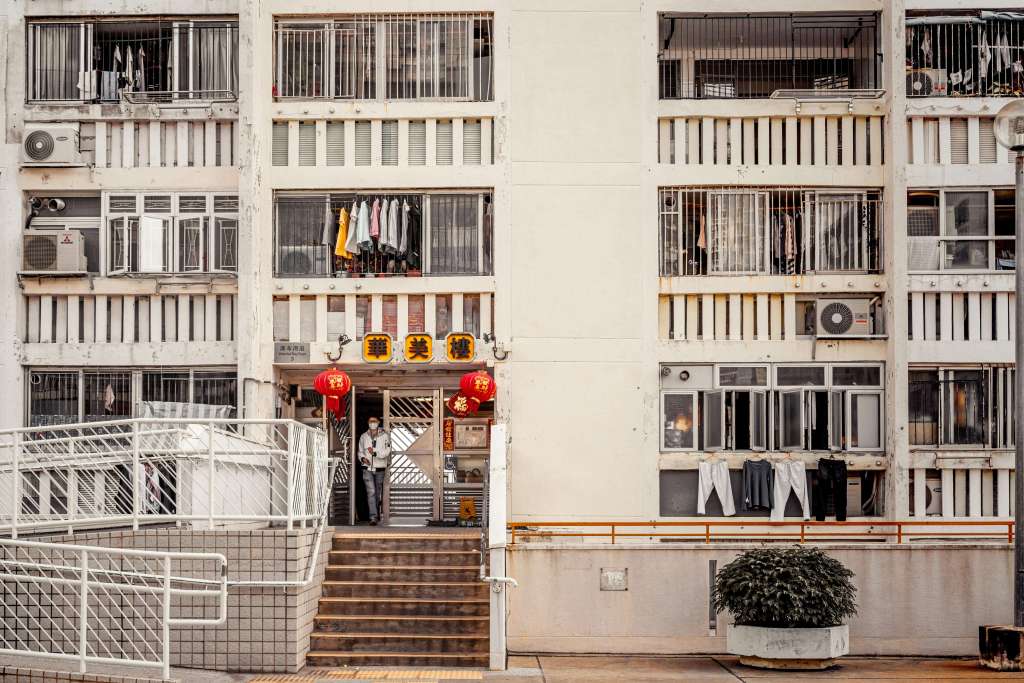
Yes, Renting can be a good choice for many international students.
An apartment can provide:
- more privacy
- more living space
- more freedom
- better cooking facilities
- a quieter study environment
- more experience living in a local neighborhood
However, private housing also requires more planning.
You need to understand:
- rent
- deposits
- contracts
- utilities
- registration
- commuting
- property maintenance
For a first-year student who has never lived in China, a university dormitory may be easier.
Another practical option is to start with a dormitory or short-term rental. Once you understand the city and know which neighborhoods fit your needs, you can move into a long-term apartment with more confidence.
Final Thoughts
Finding the right apartment in China means looking beyond rent. Compare the total monthly cost, commute, apartment condition, utilities, lease terms, and registration requirements before making a decision.
With good planning, renting an apartment in China can provide more comfort and independence while living in China. Applicants can also contact Apply For China for guidance on studying and preparing to live in China.
Frequently Asked Questions About Apartments in China
Yes. Foreigners can rent apartments in China. International students should confirm the rental contract, landlord information, costs, and accommodation registration requirements before moving in.
Rent depends on the city, district, apartment size, and building condition. Beijing, Shanghai, and central Shenzhen usually cost more. Chengdu and Chongqing often have cheaper options.
Landlords often offer furnished apartments to students and international residents. However, the amount of furniture varies. Check the apartment and ask what comes with it before signing.
Dormitories are usually cheaper and easier for new students. Apartments provide more privacy, independence, and living space. First-year students may prefer a dorm before moving off campus later.
Popular options include Wellcee, SmartShanghai Housing, Ziroom, Lianjia/Beike, 58.com, and Anjuke. Some rental platforms are mainly in Chinese. International students may need a translation tool or help from a Chinese-speaking friend.
Yes. Foreign nationals staying outside hotels must complete accommodation registration within 24 hours after arriving at the residence. The available registration method depends on the local area.