
Why Attend High School in China?

For international families, attending high school in China offers strong academics, Chinese language immersion, and international curricula. Students can experience a different education system while preparing for university in China or abroad.
China offers several high school options for international students. Depending on the school, students may follow IB, A-Level, AP, bilingual programmes, or the Chinese national curriculum.
For the right student, choosing to study in China can become a valuable long-term experience. Students gain academic, cultural, and language exposure during an important stage of secondary education.
Quick Answer: Why Attend High School in China?
For many international students, yes. High school in China can offer strong academics, daily Chinese language exposure, international curricula, and pathways to Chinese universities or universities abroad.
The best option depends on the student’s age, language level, goals, and budget. Families should also consider boarding and guardianship needs.
1. Strong Academic Education
China’s education system places a strong focus on academic performance, especially in mathematics and science. High school students often follow structured schedules and regular assessments.
International students do not always need to follow the Chinese national curriculum.
Many bilingual and international high schools in China offer internationally recognised programmes such as:
- IB
- A-Level
- AP
- Other international or bilingual curricula
Students can experience life in China while following an international education pathway. They can still prepare for universities around the world.
Local, bilingual, and international schools can be quite different. Curricula, teaching languages, admission requirements, tuition fees, boarding options, and university pathways vary by school.
The type of school students attend can affect their curriculum, teaching language, and university options. Choosing the right school is therefore just as important as choosing the right city.
2. Experience China’s Growing Economy
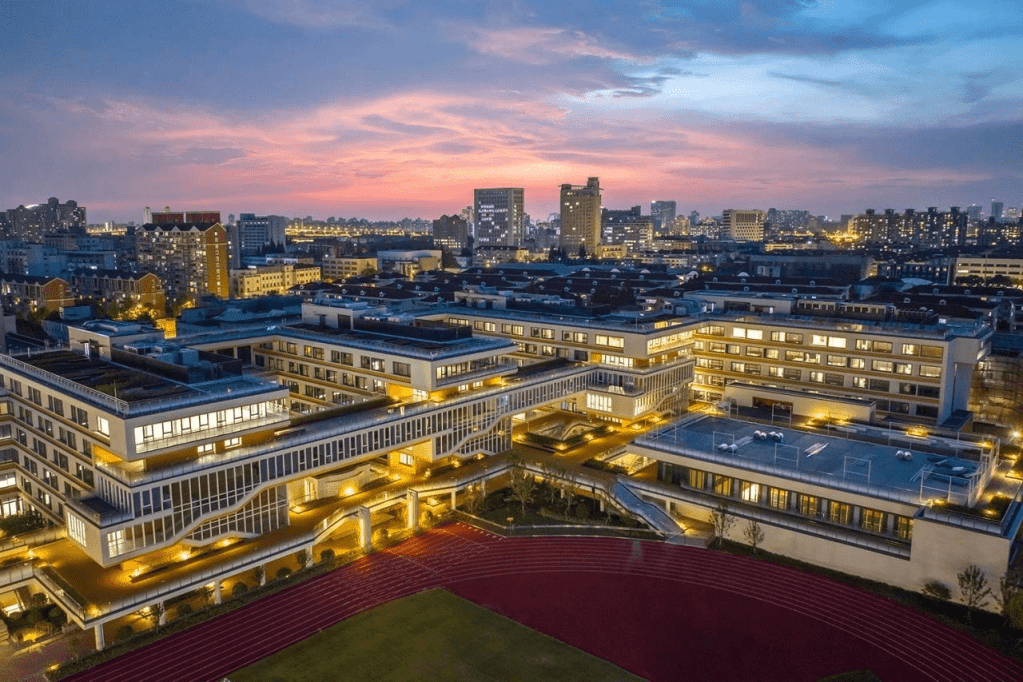
China is one of the world’s largest economies. China is also a major centre for science and technology. Key industries include manufacturing, electric vehicles, renewable energy, e-commerce, AI, and international trade.
Students can see these industries in everyday life. They can experience them instead of only reading about them.
Students may experience:
- rapidly developing technology
- modern infrastructure
- electric vehicles and smart mobility
- digital payments
- advanced manufacturing
- major international and Chinese companies
- rapidly changing cities and industries
For high school students, living in this environment can shape how they understand technology and business.
This can be especially valuable for students who may later study:
- Business
- Engineering
- Technology
- Finance
- Economics
- International Relations
Students may later attend university or work outside China. Even so, their first-hand experience of China can be useful when choosing a future career path.
3. Live in Some of China’s Most Modern Cities
One of the most noticeable parts of studying in China is its modern infrastructure.
Shanghai, Beijing, Shenzhen, Hangzhou, Guangzhou, and Chengdu have modern infrastructure. These cities offer extensive public transport and digital services.
Students can use large metro networks, mobile payments, and food delivery in everyday life.
China also has the world’s largest high-speed rail network, making travel between many major cities convenient.
International students can also explore different parts of China. They can visit modern cities, historic towns, mountains, and cultural sites.
This can be different from studying in countries where students often need a car to get around.
4. A Safe Environment for Everyday Student Life
Safety is one of the biggest concerns for parents considering sending a teenager abroad.
China generally has low levels of violent crime compared with many other large countries. Major cities also have extensive public transport, well-lit streets, and monitored public spaces.
Schools and campuses commonly have controlled access, security staff, and residential management.
This can make daily life more comfortable for students. For example, they can use public transport or go out in the evening.
Many international families see China’s public safety environment as an advantage when choosing a study destination.
5. A Safe Environment for Everyday Student Life

Students do not always need to speak Mandarin before starting high school in China.
Many international and bilingual programmes accept beginners. Students may need little or no previous Chinese when the school teaches mainly in English.
However, living in China gives students daily exposure to the Chinese language. This experience is difficult to reproduce in a classroom overseas.
Students can hear and use Mandarin in shops, public transport, school activities, and everyday conversations. This makes learning a foreign language more connected to real life.
OurChina Immersion Program guide shows how students can combine Chinese lessons with daily life and cultural activities.
6. More University Options After High School in China
Choosing high school in China does not mean students must continue into the Chinese university system.
Students with IB, A-Level, or AP can apply to universities in China or abroad.
UK • USA • Canada • Australia • Europe • Asia
They can also apply to Chinese universities.
This gives students more options after graduation.
Students who already live in China can learn more about its universities, cities, culture, and student life. This gives them useful experience before applying to university.
Students with stronger Mandarin skills have more choices. They can consider both Chinese-taught and English-taught university programmes.
This gives high school graduates more options when planning their next step. When applying to university, students should also check whether they need a high school diploma or an equivalent school-leaving certificate.
I’d slot it in after the first paragraph like this:
How Does High School Fit Into China’s Education System?
Senior high school comes after China’s nine-year compulsory education stage. This stage covers primary school and junior middle school.
Senior high school is part of secondary education and is usually the final stage of secondary school before university.
The Ministry of Education guides national education policy. Rules for international students may vary by province, city, and school.
Our Chinese Higher Education System guide explains what comes after secondary education and how university study works in China.
This keeps the section simple and avoids repeating too much of what the first paragraph already says.
Types of High Schools in China
School options can include private bilingual schools, international schools, and some public school programmes. Admission rules and availability differ between schools.
| School Type | Description | Who It’s For | Tuition Fee |
| Public Chinese High Schools (with international division) | Chinese curriculum, often bilingual; high academic standards | Students planning to attend Chinese universities | Not available for international students |
| Private Bilingual Schools | International teaching with IB, AP, or A-Level | Families looking for flexible, high-quality study options | USD 6,000–18,000 / year |
| International Schools (English-medium) | International curriculum, mainly for expat children | Students planning to study abroad while living in China | USD 25,000–40,000 / year |
Who Can Attend High School in China?
High school programmes in China are open to eligible international students who meet each school’s admission requirements.
Schools may consider:
- the student’s age (12-18) and current grade level
- previous academic records and academic performance
- English and/or Chinese language ability, depending on the programme
- the student’s educational background and intended curriculum
- boarding or guardianship needs
- and other documents required by the school.
Applicants generally need to be non-Chinese citizens. Requirements vary by school and location, so families should always check the latest rules before applying.
How Can ApplyForChina Help With High School Applications?
ApplyForChina supports international families throughout the high school in China selection and application process.
Our services include:
- student assessment and school matching;
- application preparation and submission;
- communication with schools throughout the admission process;
- document and visa guidance;
- arrival and onboarding support;
- local guardianship support where required;
- and ongoing support in China, depending on the service selected.
We help families compare schools based on each student’s needs. We consider their academic background, language ability, preferred curriculum, location, and university plans.
Our goal is to find an education pathway that supports the student’s long-term academic plans.
Considering high school in China?
Contact us to discuss suitable school options for your child.
Related Articles
- China Immersion Program: Complete Guide
- Chinese Higher Education System: How Does It Work?
- Chinese Gaokao Exam: What Foreign Students Should Know
- Universities in China: English-Taught Programs & Admissions
- Top Universities in China 2026
- How to Apply to Chinese Universities
FAQs About High School in China
Yes. International students can attend eligible high schools in China if they meet the school’s admission requirements. Requirements vary by school and programme.
Not always. Many international and bilingual schools accept beginners. Students may need little or no previous Chinese when classes are mainly in English.
Options depend on the school. International and bilingual high schools may offer IB, A-Level, AP, Chinese curricula, or other international programmes.
Not usually. Most international students follow a separate university admission route rather than the Gaokao entrance examination. However, admission rules can vary by university, programme, and year.
Yes. Students with IB, A-Level, or AP can apply to universities in China or abroad.
Schools may consider the student’s age, grade level, academic records, language ability, educational background, and chosen curriculum.
Students can combine academic study with Mandarin exposure and daily experience of Chinese culture and city life. They can also prepare for university options in China or abroad.