The Best Apps to Learn Chinese 2026: Master Mandarin
Best Apps to Learn Chinese in 2026
Learning Chinese is easier than ever in 2026, but choosing the right app still matters. Some tools are better for speaking. Others are better for reading, writing, or daily review. For most learners, the best setup is not one perfect app. It is a small mix of tools that cover the skills you actually need.
This matters even more if your goal includes Mandarin Language Learning and Chinese Culture. Apps can teach you words and patterns, but culture helps you understand how Chinese works in greetings, stories, daily habits, and real conversation. If you want a deeper next step after app study, official portals also make it easier to explore ways to study in China through degree and non-degree options.
Quick answer: Which app should you choose?
If you want a short answer, here is the simplest way to choose:
- pick HelloChinese for a guided beginner path
- pick Duolingo for free Chinese language lessons and daily habit-building
- pick Pleco for word lookup and study support
- pick Du Chinese for reading and listening
- pick Skritter for writing characters
- pick HelloTalk for real conversation with native speakers
That mix works well because each app focuses on a different part of learning Chinese.
HelloChinese

Best for: beginners who want a structured all-in-one Mandarin app
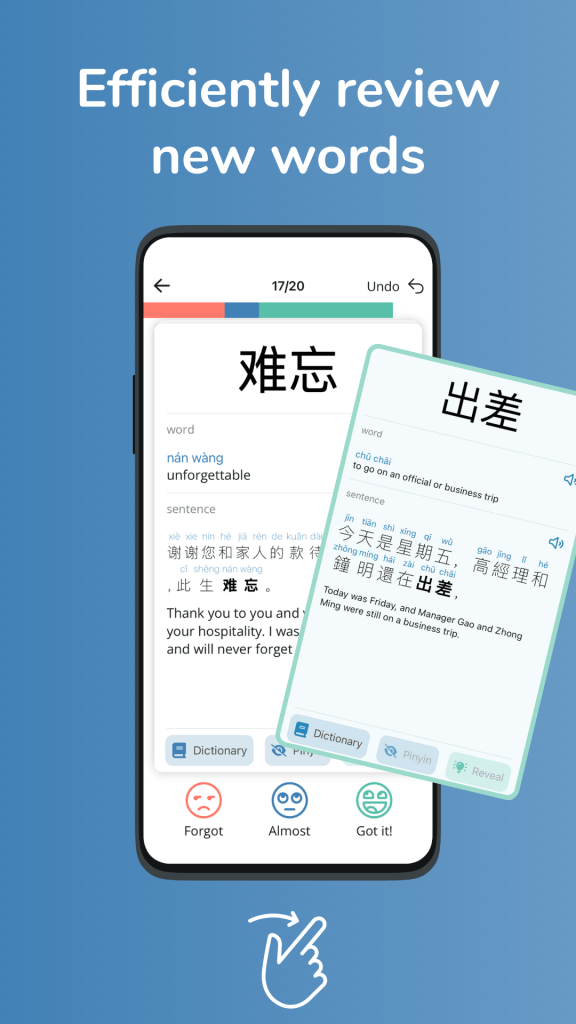
HelloChinese is a strong starting app because it is built for beginner Mandarin learners and combines reading, writing, speaking, grammar, speech recognition, stories, and native-speaker video in one place. That makes it useful for learners who want one guided app instead of switching between too many tools.

Strengths
- Built for beginners: The app is designed to help learners start from scratch.
- All-in-one learning: It covers several core skills in one app, including speaking, reading, writing, and grammar.
- More natural practice: Stories and native-speaker videos make practice feel less repetitive.

Limitations
- Some features are paid: Full access requires in-app purchases.
- More beginner-focused: It is mainly positioned for beginners, so advanced learners may still need other tools.
- Not a full replacement for real conversation: In-app speaking practice still works differently from live interaction. This is an inference based on the app’s feature set.
Duolingo
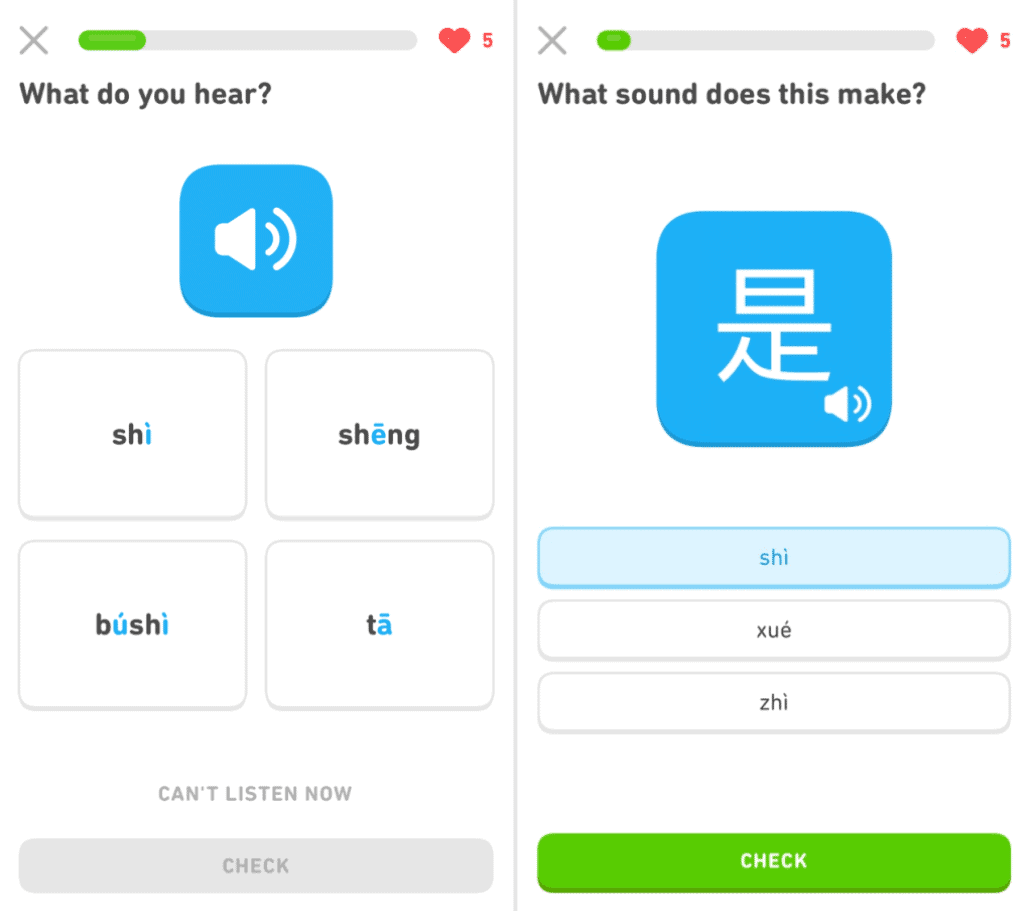
Best for: learners who want free chinese language lessons and simple daily practice
Duolingo is a practical choice for beginners who want short, low-pressure lessons. Duolingo says its app teaches through quick, bite-sized lessons and helps learners practice speaking, reading, listening, and writing, so it works well for daily habit-building.
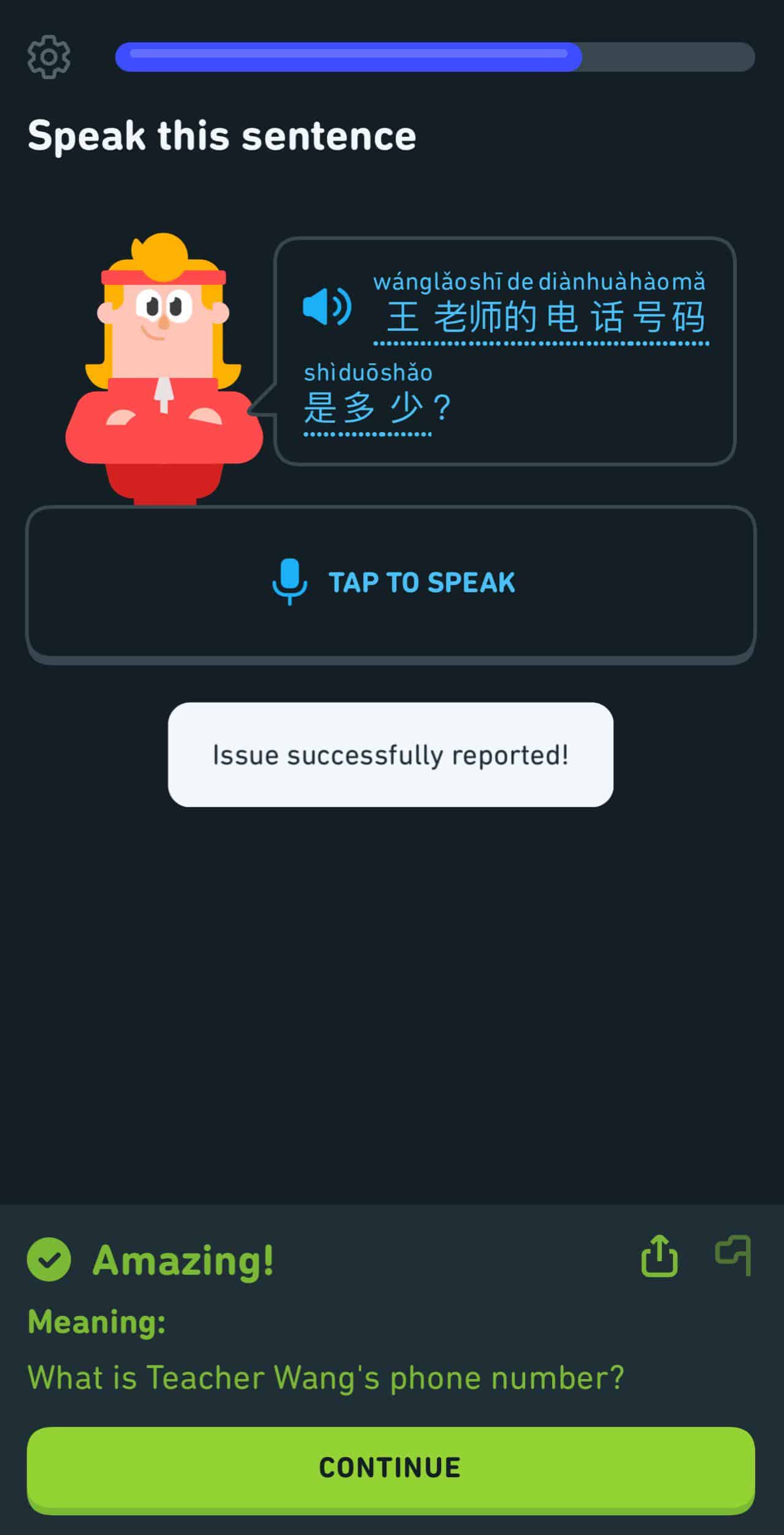
Strengths
- Easy to start: The lessons are short and simple to fit into a daily routine.
- Good for habit-building: Its bite-sized format makes daily study easier to maintain.
- Free entry point: It is one of the easiest ways to begin with free app-based study.

Limitations
Not enough on its own: Most learners will still need other tools for stronger speaking or reading progress. This is an inference based on the app’s general design.
Less depth: It is better for basic practice than detailed grammar or advanced reading. This is an inference from the app’s quick-lesson format.
Limited character writing: It is not mainly built around handwriting practice. This is an inference from the app description and feature focus.
Pleco

Best for: learners who want the best dictionary and study support tool
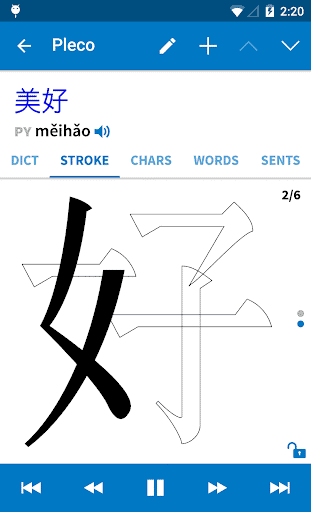
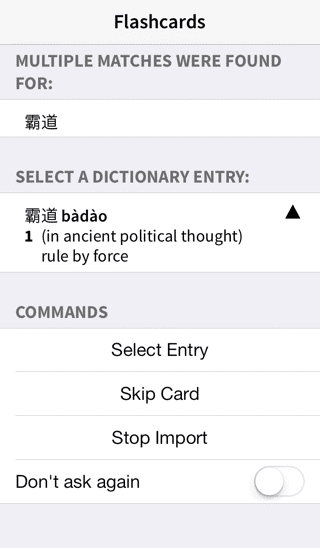
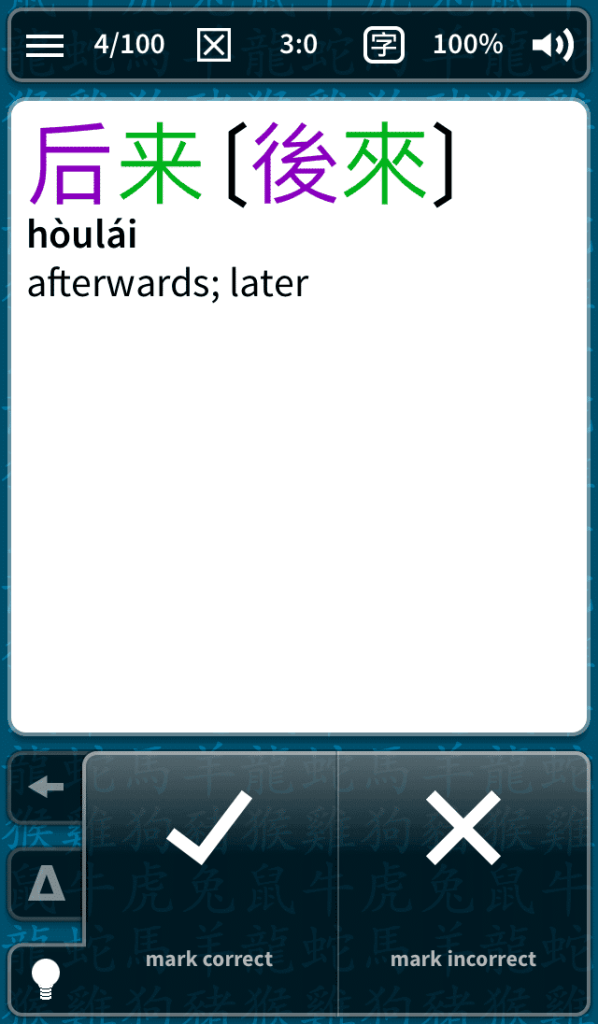
Pleco is one of the most useful support apps for Chinese learners. Its official pages highlight dictionary search, handwriting input, OCR, flashcards, audio, and document reading, so it works especially well for quick word lookup and reading support.
Strengths
- Excellent word lookup: It is built around fast and detailed dictionary search.
- Helpful reading tools: OCR and document reading make it easier to work with real Chinese text.
- Strong review support: Flashcards and audio add extra study value beyond a basic dictionary.
Limitations
Less focused on speaking: It supports reading and review more than conversation practice. This is an inference from its feature set.
Not a full course: Pleco is more of a support tool than a step-by-step lesson app.
Some advanced tools cost extra: OCR, document reading, and other features may require add-ons.
Du Chinese
Best for: learners who want graded reading and listening practice

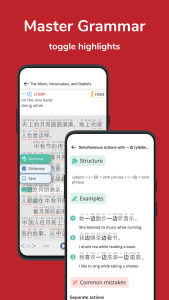
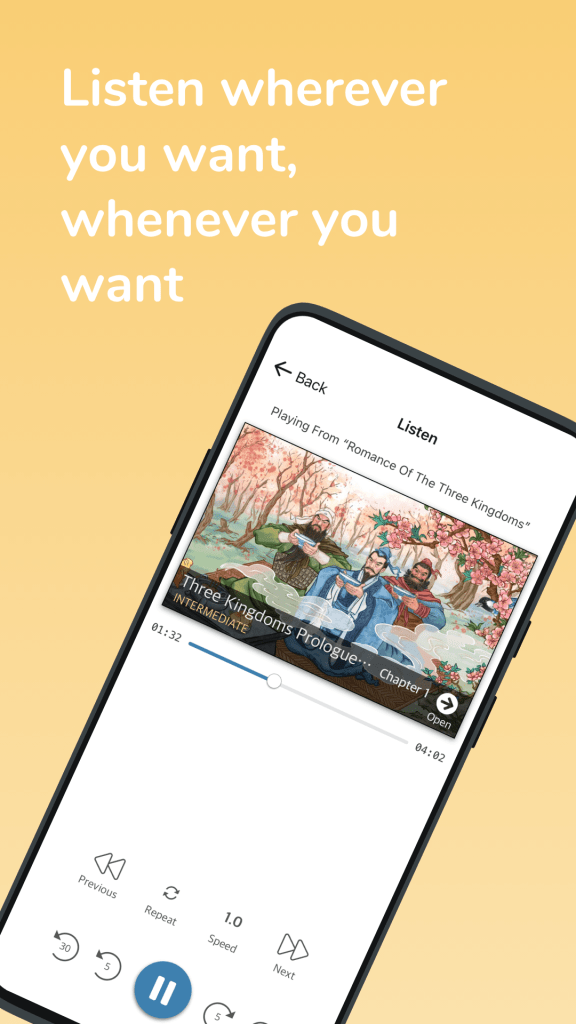
Du Chinese is best for learners who want to improve through stories. Its app listing says it offers reading at different levels, with word definitions, pinyin, native audio, sentence translations, grammar tips, and flashcards built into the reading experience.
Strengths
- Good graded reading: The app is built around level-based stories, which makes reading more manageable.
- Reading and listening together: Native audio helps learners build listening at the same time.
- Helpful support tools: Pinyin, translations, and grammar notes reduce frustration while reading.
Limitations
- Better after the basics: It usually works best once a learner already knows some beginner Chinese. This is an inference based on its reading focus.
- Less useful for handwriting: The app is focused more on reading and listening than writing practice.
- Some features are paid: Full access comes through in-app purchases.
Skritter

Best for: learners who want to learn and remember Chinese characters through writing
Skritter is designed for character writing practice. Its official pages highlight handwriting recognition, real-time grading, spaced repetition, stroke order help, decks, and progress tracking, so it is especially useful for learners who want to actively write and remember characters.

Strengths
- Strong writing practice: It focuses on actually writing characters, not just recognizing them.
- Useful feedback: Real-time grading and stroke help make practice more active.
- Good for memory: Spaced repetition and decks support long-term review.

Limitations
- Narrower focus: It is more specialized than all-in-one apps.
- Less useful for speaking: It is built around writing, not conversation. This is an inference from its feature set.
- Subscription cost: Many study features require premium access.
HelloTalk

Best for: learners who want real conversation practice with native speakers
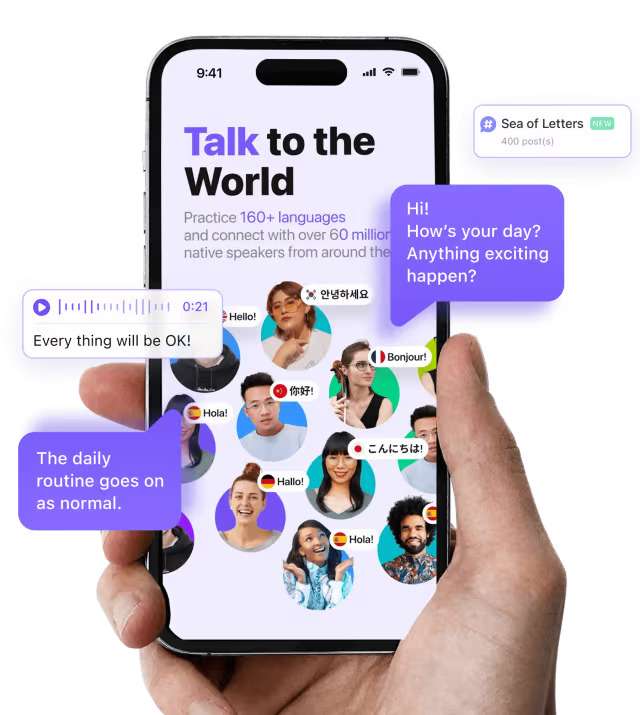
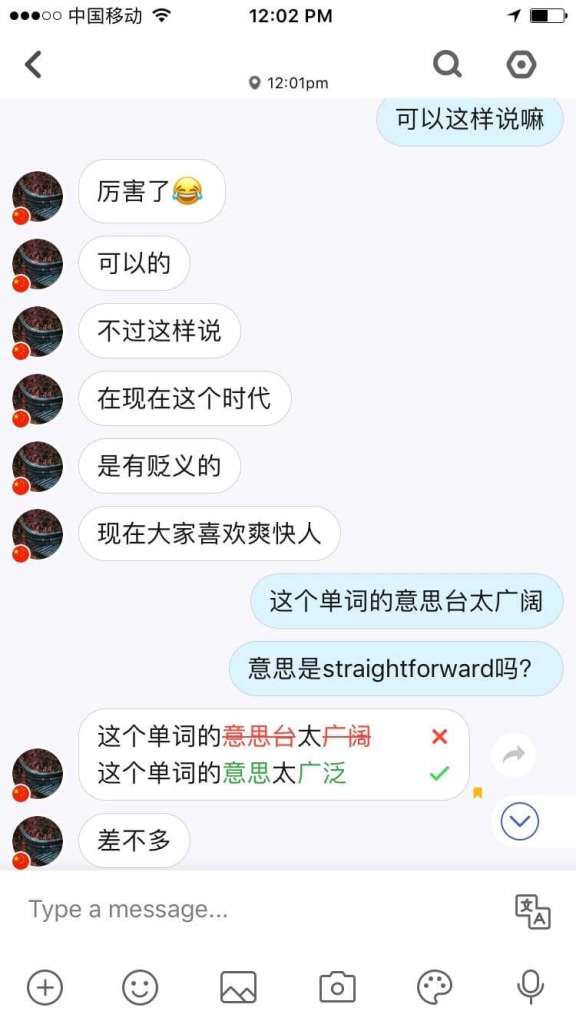
HelloTalk is a language exchange app built around interaction with native speakers. Its official pages say users can practice through text, voice, video, livestreams, and voice rooms, with tools such as translation and captions to support learning through conversation.
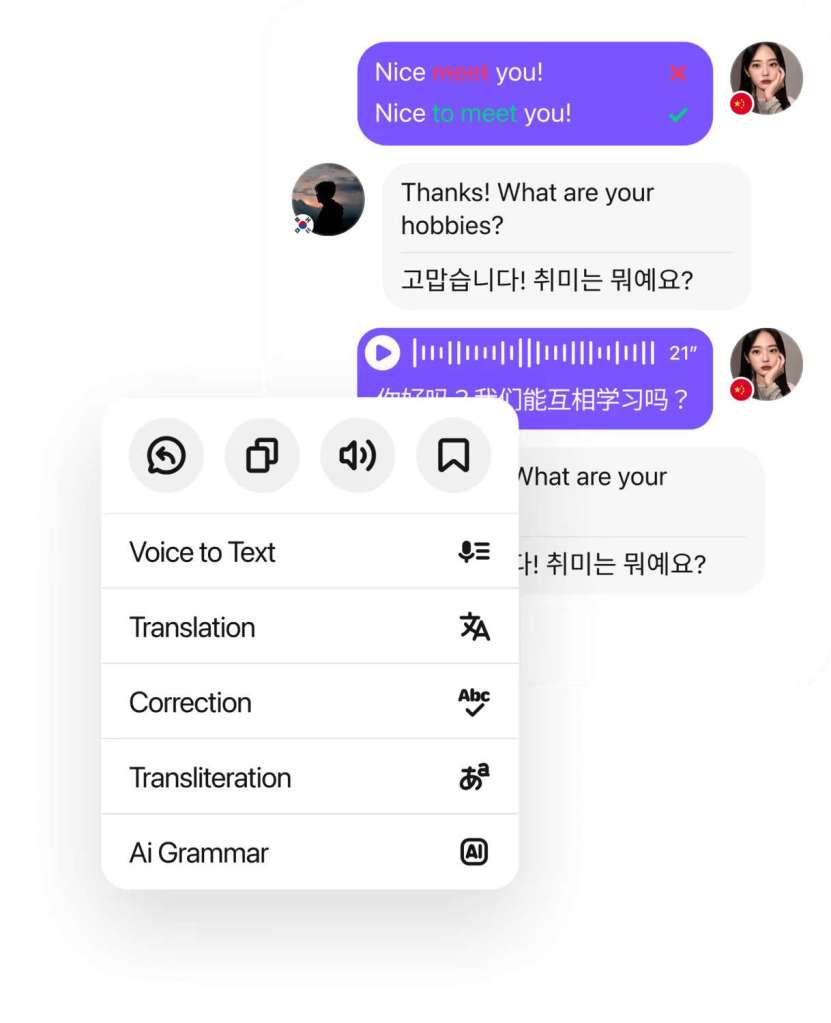
Strengths
- Real interaction: It connects learners with native speakers for live practice.
- Useful speaking support: Chat, voice, and video give learners more practical communication practice.
- Cultural exposure: Livestreams, moments, and community features add everyday language and culture.
Limitations
Not a structured grammar course: It is better for real use than step-by-step instruction.
Not ideal for zero beginners: It usually works better once you already know some basics. This is an inference from its exchange-based design.
Depends on your partner: The quality of practice can vary from person to person. This is an inference from the platform model.
Not a structured grammar course: It is better for real use than step-by-step instruction. real-life language exchange allows you to practice conversational Chinese, helping you develop natural sentence flow, cultural understanding, and tone accuracy.

Free Chinese lessons, culture, and next steps
If you want free Chinese language lessons, a smart mix works better than a single app. Duolingo is good for short daily lessons. Pleco helps with fast word search and review. HelloTalk gives you real interaction. If you also care about Mandarin Language Learning and Chinese Culture, Du Chinese adds stories and context, which helps you move beyond isolated word lists.
If you want to go beyond apps, you can also study in China through official portals that list universities, degree programs, and non-degree programs for international students. That step usually becomes more useful once you already have a basic foundation from apps and self-study.
| App | Best for | What it does well | Limitations |
|---|---|---|---|
| HelloChinese | Beginners who want a structured all-in-one Mandarin app | Lessons across reading, writing, speaking, vocabulary, grammar, plus speech recognition and videos. | More beginner-focused than advanced-focused; some stronger features are paid. |
| Duolingo | Learners who want free, low-pressure daily practice | Free, quick, science-based lessons that are easy to turn into a habit. | Less depth for grammar, writing, and natural conversation. |
| Pleco | Learners who want the best dictionary and study support tool | Dictionary lookup, OCR, handwriting input, audio, and flashcards. | Not a full guided course; some advanced tools are add-ons. |
| Du Chinese | Learners who want graded reading and listening practice | Level-based stories with audio, translations, and grammar help. | Better after a beginner foundation; less focused on speaking or writing. |
| Skritter | Learners who want to learn and remember Chinese characters through writing | Handwriting recognition, real-time grading, and writing-focused review. | Narrower focus than full-course apps; less useful as a single app for speaking or listening. |
| HelloTalk | Learners who want real conversation practice with native speakers | Text, voice, video, and language exchange with native speakers. | Depends heavily on partner quality and does not replace structured lessons. |
Frequently Asked Questions
For many beginners, HelloChinese is one of the strongest choices because it combines several core skills in one place and is designed specifically for Mandarin.
Yes. Duolingo offers a simple free entry point, and apps like Pleco and HelloTalk can support free study in different ways.
If your main goal is writing and remembering characters, Skritter is one of the strongest focused tools. Pleco is also useful for character lookup and review.
Du Chinese is one of the best choices for graded reading because it offers level-based stories, native audio, and instant support tools while you read.
HelloTalk is one of the most practical options for speaking with native speakers through text, voice, and video.
For faster speaking growth, stronger listening, and deeper cultural exposure, it can be more effective to study in China after you build a basic foundation through apps and self-study. Official Study in China portals list both degree and non-degree options.
You may also be interested in reading…
- Chinese vs Japanese Language: Interesting Differences
- How to Say “How Are You?” in Chinese Like a Local
- Funny & Festive Chinese Idioms You Need to Know
- How to Say Happy Birthday in Chinese: Speak & Write
- How to Say How Are You in Chinese: Greetings in Chinese
- How to Say I Love You in Chinese: Express it in Mandarin