Tsinghua University, a world-renowned institution, is not only celebrated for its academic achievements but also for its breathtaking campus.
In 2010, Forbes magazine named Tsinghua University one of the “Most Beautiful College Campuses in the World,” making it the only Asian institution to earn this distinction.

Architects praise Tsinghua University for seamlessly blending natural landscapes with architecture that showcases distinct Eastern traditional characteristics. The campus offers an inspiring environment where history and innovation coexist harmoniously.
Sculptures That Tell Stories
The sculptures scattered across Tsinghua’s campus add another layer of intrigue to its charm. These artistic masterpieces fall into two main categories:
Alumni Donations which sculptures donated by alumni reflect unique creativity and are easy to interpret. Each piece tells a story of Tsinghua’s enduring connection with its graduates.
Centennial Sculpture Exhibition, modern abstract works from the “Tsinghua Centennial Sculpture Exhibition” challenge viewers to imagine and interpret freely. These sculptures embody the saying, “Different people have different views, and wise people have their own insights.”

Endlessness(无尽)
Author: Hwang Seung-woo (South Korea)
Material: Stone
Placement: West side of West Lake Swimming Pool
Design Description: My work appears to be a pile made of stacked paper, symbolizing how our lives are inseparable from paper. Paper holds an extremely important place in our daily lives.

The Lotus(莲说)
Author: Zeng Chenggang
The lotus often appears in art as a symbol of roundness and fullness. However, Zeng Chenggang’s lotus pod is withered and cracked, with only the seeds hidden inside, exuding an extraordinary luster. “A withered lotus holds deeper meaning; it is aged and desolate but brimming with hope, embodying a stronger sense of life.”
This is Zeng Chenggang’s work, On the Lotus, which won the Chinese Young Artist Award. “Even if I were to create a serene ‘lotus,’ I would still strive to convey the power of life,” he says.
Architectural and Natural Harmony
After more than 80 years of planning and construction, Tsinghua University’s campus has developed a collection of architectural styles, including traditional Chinese, Western classical, Soviet-inspired, and modern designs. It can be described as a harmonious blend of East and West, integrating the old and the new, bringing diverse architectural forms together in one place.
Tsinghua Garden: A Historical Treasure
Tsinghua’s campus, often referred to as “Tsinghua Garden,” dates back to 1925. Built on the grounds of Qing Dynasty imperial gardens, it shares origins with the nearby Old Summer Palace. Originally part of Xichun Garden, this area was once a suburban villa for imperial princes during the Kangxi reign.
The garden’s centerpiece is an exquisitely designed artificial lake, surrounded by stone benches, swaying lotus flowers, and seasonal scenery. Two delicate ancient pavilions, hidden among wooded landscapes, further enhance the area’s tranquility and charm.

The Enchanting Guyue Hall
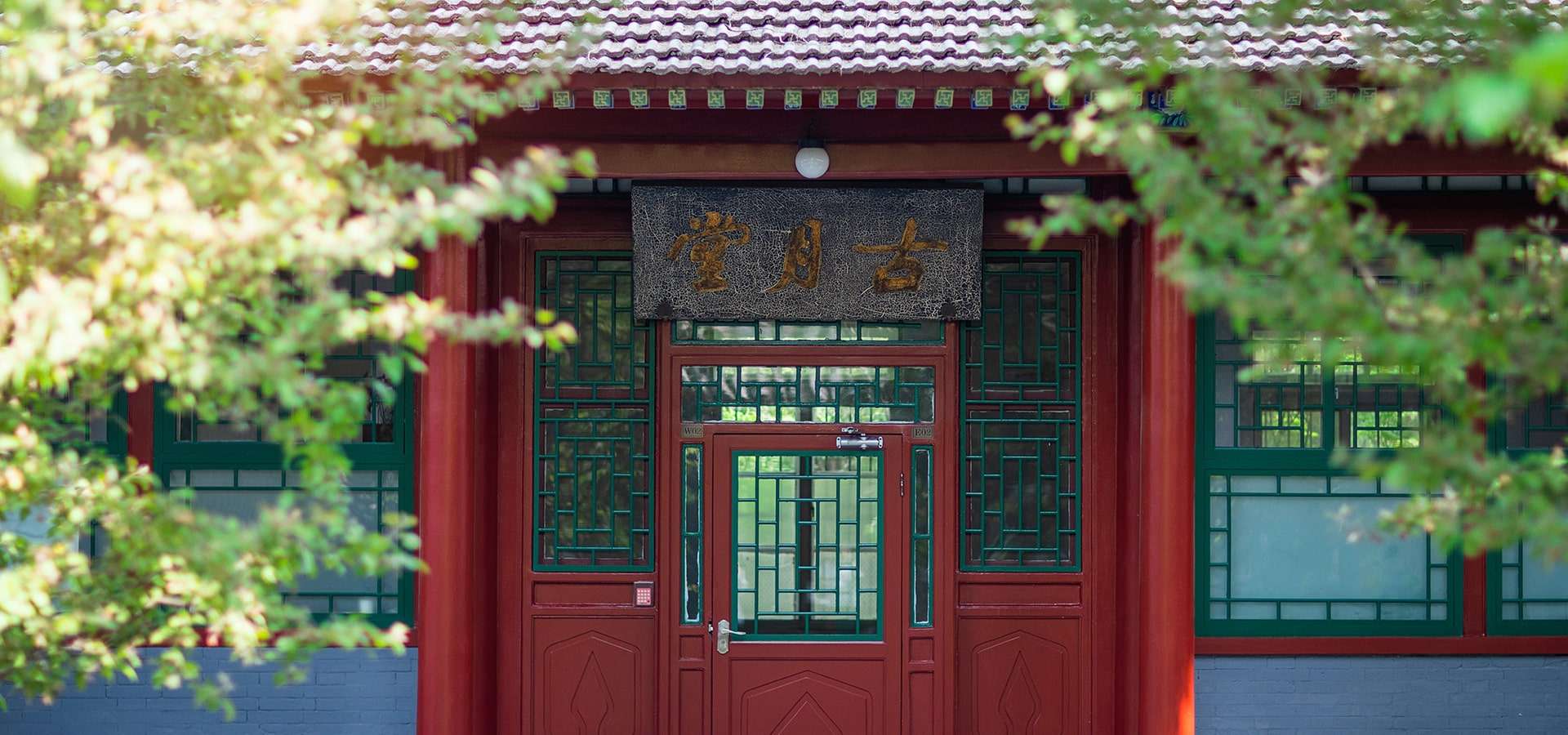
Guyue Hall is one of the ancient courtyards in Tsinghua Garden, constructed during the Daoguang reign of the Qing Dynasty. Covering about 670 square meters, it features two white stone lions at its entrance and a beautifully preserved hanging flower gate.
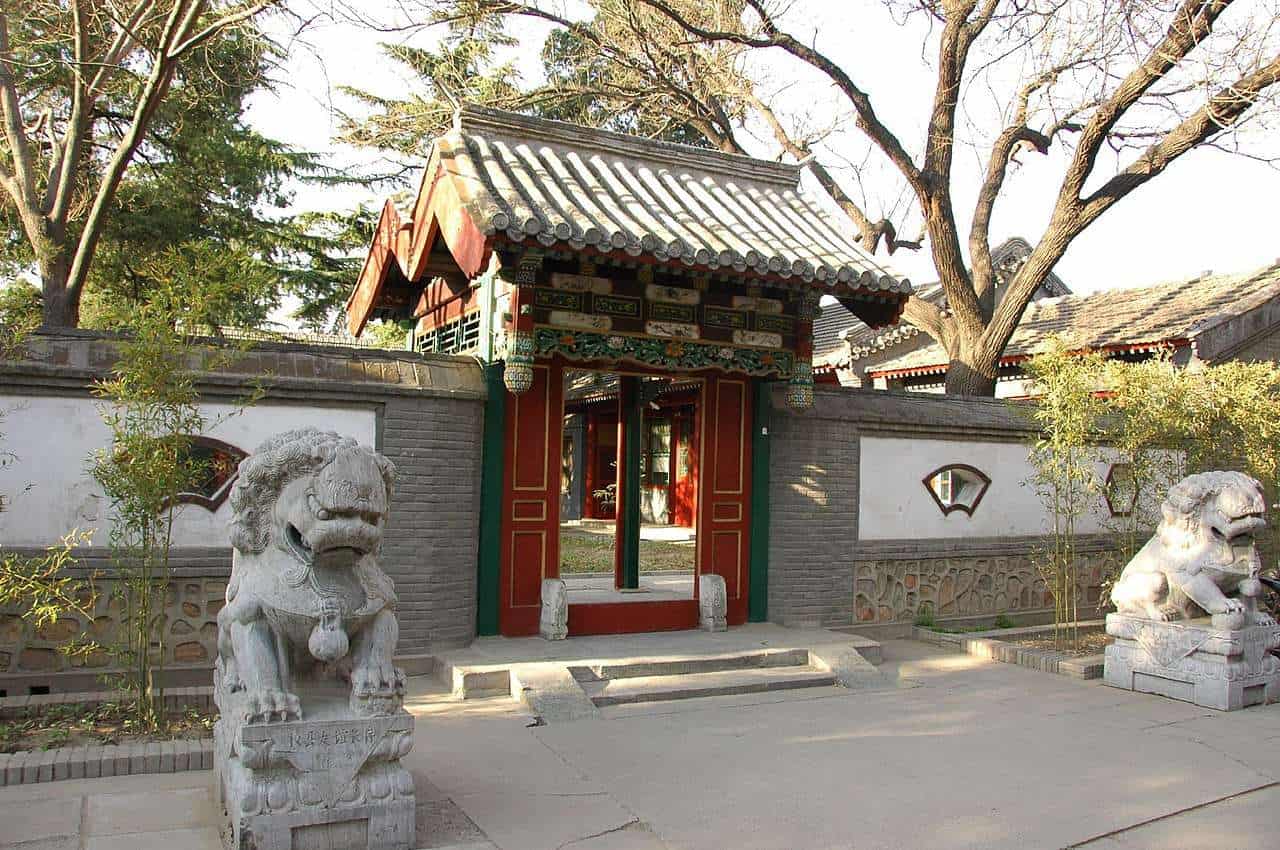
Initially a private study, the hall later served as a faculty residence after Tsinghua University‘s establishment. Its serene atmosphere attracted notable residents, including Liang Qichao and Zhu Ziqing, adding to its cultural and historical significance.
Shuimu Tsinghua and the Lotus Pond
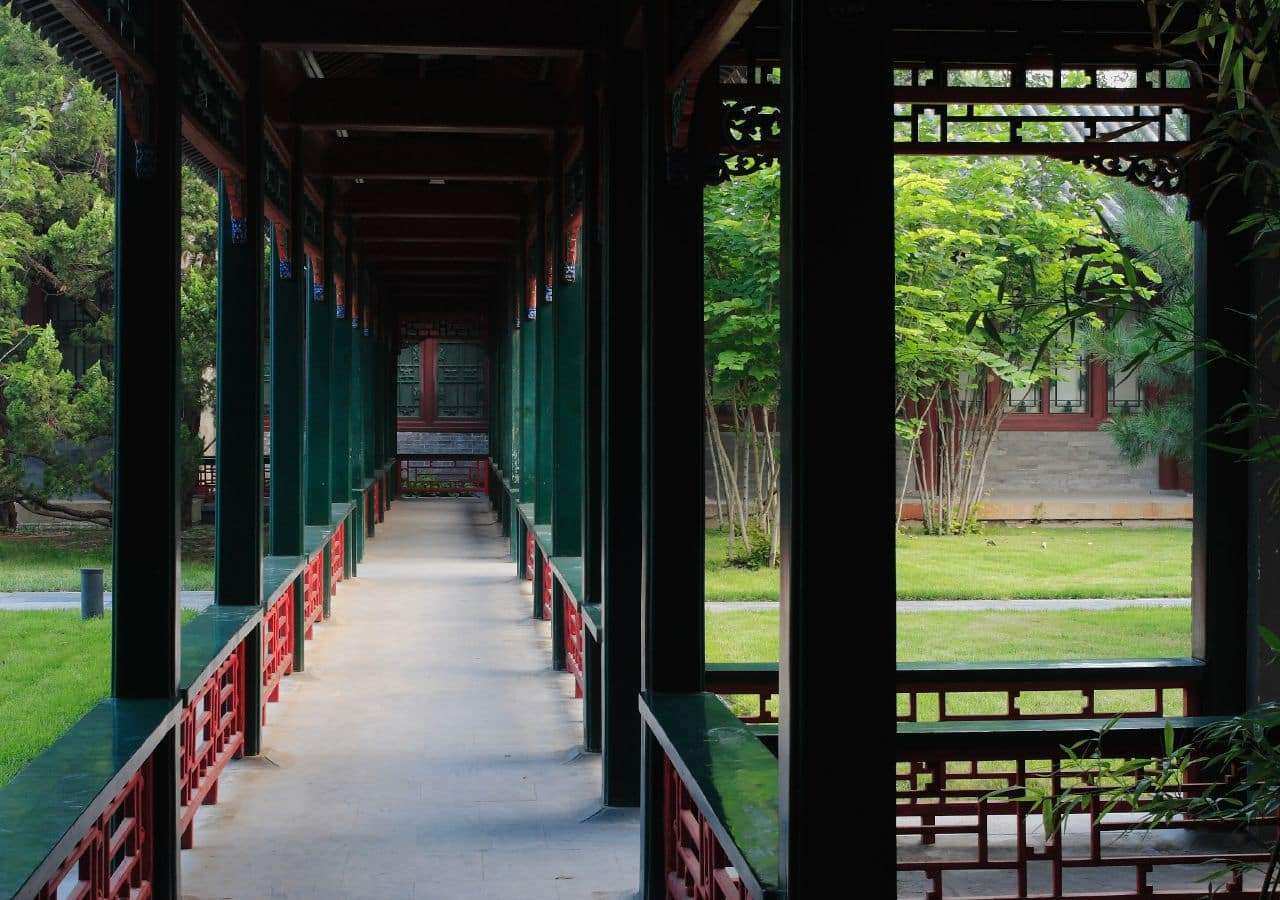
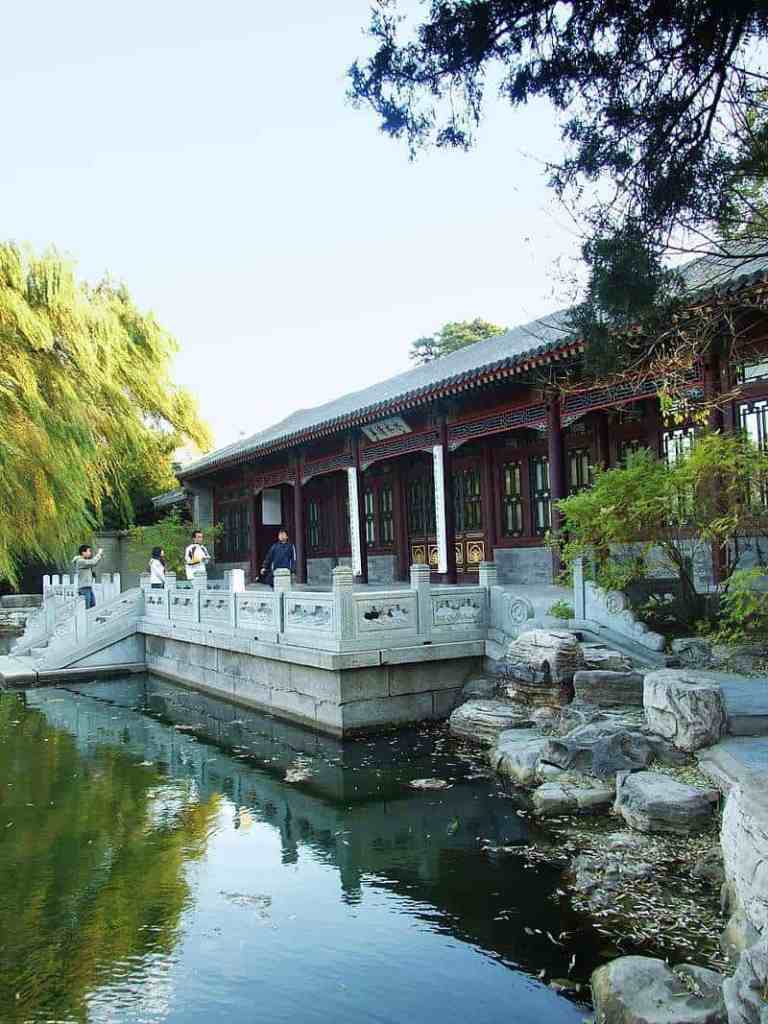
The Lotus Pond of Shuimu Tsinghua is a key feature of the campus’s water system, alongside the Jinchun Garden Lotus Pond and the Wanquan River. On its southern bank, shaded by weeping willows, stands an elegant ancient building. Originally the rear annex of Gongzi Hall, it now serves as the corridor for “Shuimu Tsinghua.”
The inscription “Shuimu Tsinghua,” attributed to Emperor Kangxi, adds historical significance. This phrase, derived from a Jin Dynasty poem by Xie Hun, evokes serene imagery:
“A gentle breeze stirs the lush garden,
White clouds gather over layered hills.
As the sun sets, birds converge,
The water and woods shine in serene splendor.”
(晋人谢混诗:“惠风荡繁囿,白云屯曾阿,景昃鸣禽集,水木湛清华。)
Miao Rixin, a 1958 graduate of Tsinghua University’s Department of Civil Engineering, once served as the Director of the University’s Infrastructure Planning Office. Through meticulous research, Miao discovered that Tsinghua Garden is not only the sole well-preserved site among the many imperial gardens in Beijing’s western suburbs but also a cultural sanctuary of Chinese heritage.
In 1860, during the Second Opium War, the Anglo-French Allied Forces invaded Beijing and burned down the Old Summer Palace (Yuanmingyuan), yet Tsinghua Garden was spared.
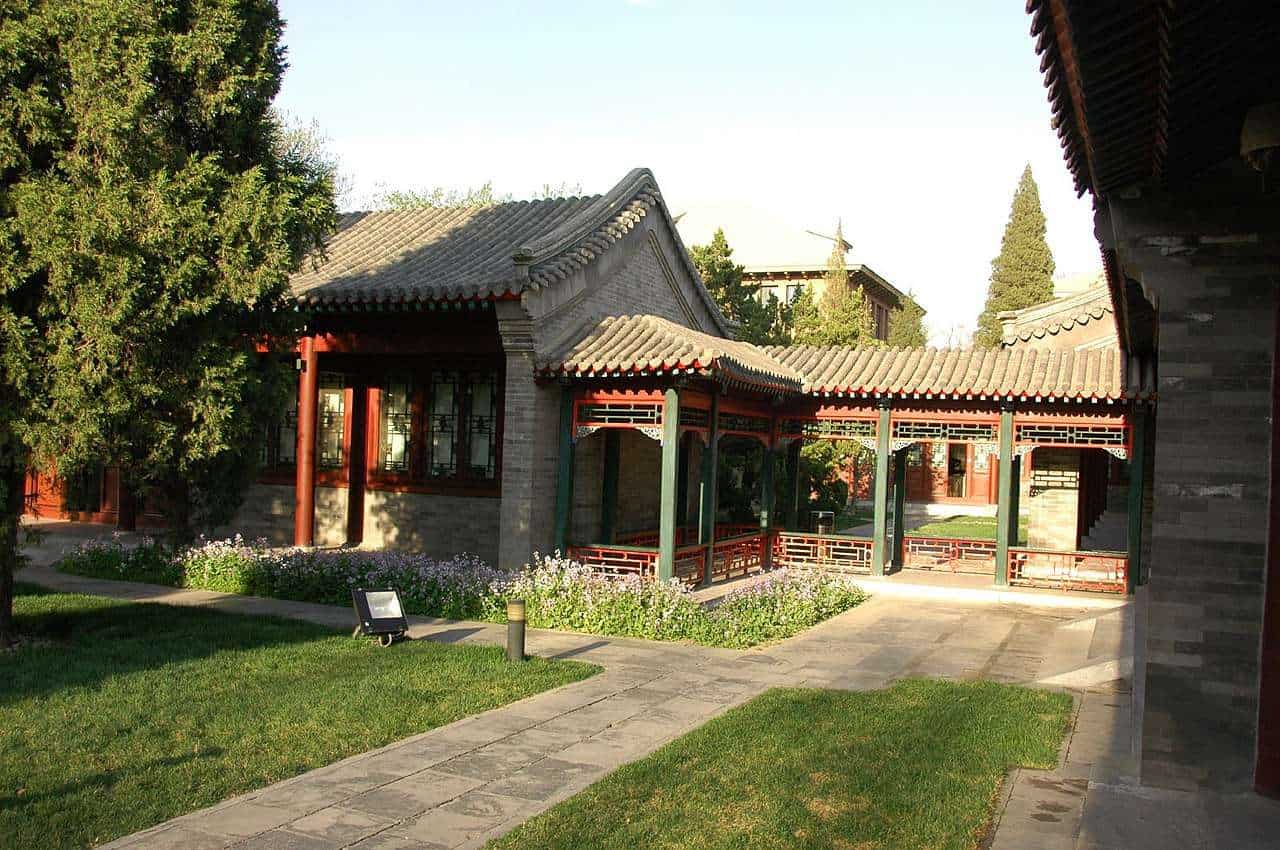
However, during the Second Sino-Japanese War, the Japanese army occupied Tsinghua Garden, causing severe damage. On October 10, 1946, Tsinghua University resumed operations, marking the start of a new chapter in its history.
Over three centuries, this garden has weathered storms and witnessed the rise and fall of dynasties. It has also seen the aspirations of countless students and endured aggression and humiliation. Yet, it has ultimately become inextricably linked with the destiny of national rejuvenation.
Statue of Zhu Ziqing on the Water

Statue of Zhu Ziqing on the Water
The Statue of Zhu Ziqing on the Water (水上朱自清像) is a famous sculpture located on the campus of Tsinghua University. It honors Zhu Ziqing, a renowned Chinese essayist, poet, and educator, known for his celebrated essay “Back to the Countryside” and his profound appreciation of nature.
The statue is artistically set on water, symbolizing Zhu’s connection with nature and his literary works, which often reflect the beauty and tranquility of the natural world.
The statue is depicted with grace and simplicity, capturing Zhu’s reflective character and his deep contemplation of life, which are central to his literary style. This work serves as a tribute to his significant influence on Chinese literature and his enduring legacy in education and culture, making it a beloved landmark on Tsinghua University’s campus.
Tsinghua University: China’s Top University

Consistently ranked among the world’s top universities, Tsinghua University stands as a beacon of academic brilliance and international prestige. With a highly competitive acceptance rate, Tsinghua attracts the brightest minds from around the globe.
Its stunning campus, a seamless blend of history, nature, and modern innovation, showcases the university’s unique character. From the inspiring sculptures and tranquil Lotus Pond to the historic Guyue Hall, every corner of Tsinghua tells a story of heritage and progress.
Plan Your Future Today! A visit to Tsinghua University is an unforgettable journey through its legacy of excellence and beauty. Ready to take the next step? Apply now with ApplyForChina and begin your journey at Tsinghua University!