China’s employment situation is shaped by rapid economic transformation, with a shift from traditional industries to emerging sectors like digital economy, green energy, and advanced manufacturing.
While competition remains intense, especially for graduates, China’s employment landscape offers growing opportunities in tech and sustainable industries.
Policies supporting these sectors help create new jobs, but adaptability and continuous skill upgrading are key to securing a successful career in China’s evolving job market.
Economic Transformation and Industry Shifts
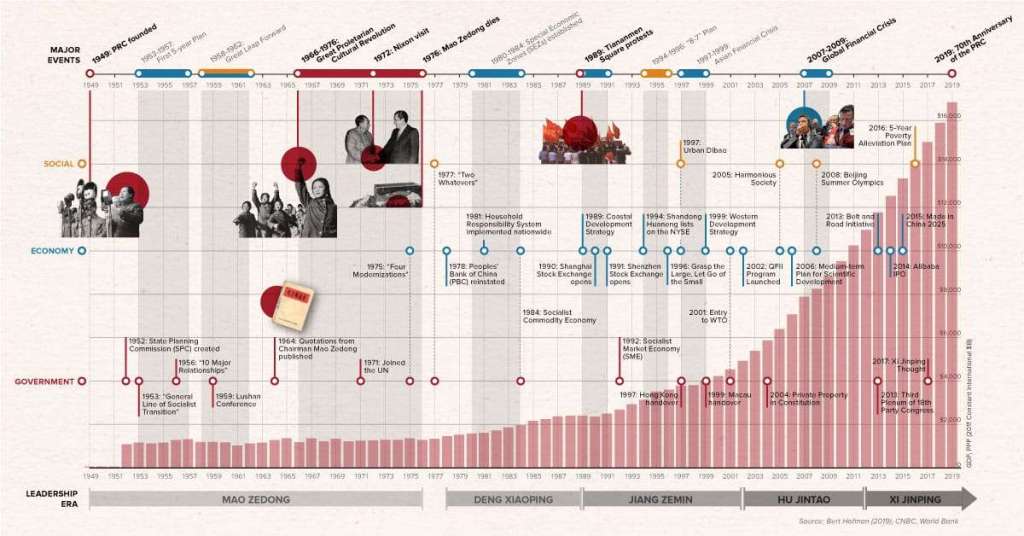
China employment is in the midst of a major transformation. While traditional industries like manufacturing still hold significant weight, the country is rapidly shifting toward green and intelligent manufacturing.
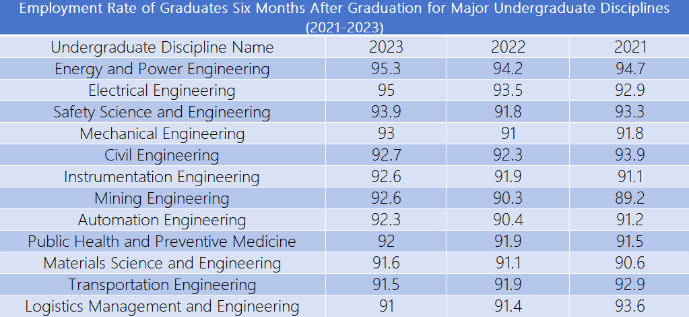
This shift is creating new opportunities, especially for graduates in mechanical engineering, which has become one of the top fields in terms of both employment and salary.
As industries like high-end equipment manufacturing and new energy vehicles grow, so do the job prospects in these sectors. But not all sectors are seeing growth—construction is struggling, largely due to the slowdown in the real estate industry.
The Impact of Technology on Employment
The rise of automation and artificial intelligence (AI) is changing the job market in profound ways. Here’s a closer look at how these technologies are reshaping employment:
- Automation and Job Displacement: Automation is taking over many routine and repetitive tasks, especially in sectors like manufacturing and logistics. While this results in fewer low-skill jobs, it also creates demand for tech-focused roles like robotics programming and data analysis.
- AI and New Job Creation: AI is transforming industries like healthcare, finance, and customer service. As businesses adopt AI, they need skilled workers to manage and improve these systems. AI also opens the door for new roles in machine learning, data science, and algorithm development.
- New Occupations in the Digital Economy: With the growth of the digital economy, new job roles are emerging in e-commerce, digital marketing, and content creation. Gig work, such as being an influencer or a freelance designer, is on the rise, offering flexibility but often with less job security.

Green Technologies & China’s employment
As China commits to a greener future, the “green economy” is flourishing. Renewable energy, electric vehicles, and sustainable agriculture are generating plenty of new job opportunities.
Technology is driving this change, with AI and data analytics playing a key role in improving energy efficiency and sustainability.

Challenges Posed by Technology: Job Polarization and Inequality
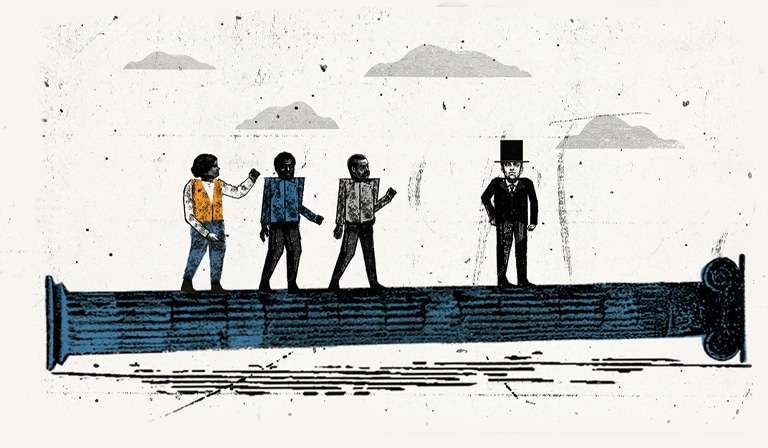
While technology creates exciting new opportunities, it also presents challenges. The gap between high-skill, high-wage jobs and low-skill, low-wage jobs is widening, leading to job polarization.
Workers in routine jobs may struggle to transition to more advanced roles without additional training. Similarly, gig workers often lack access to benefits like healthcare and retirement savings, highlighting the need for more robust social protection.
Population Changes and Employment Shifts
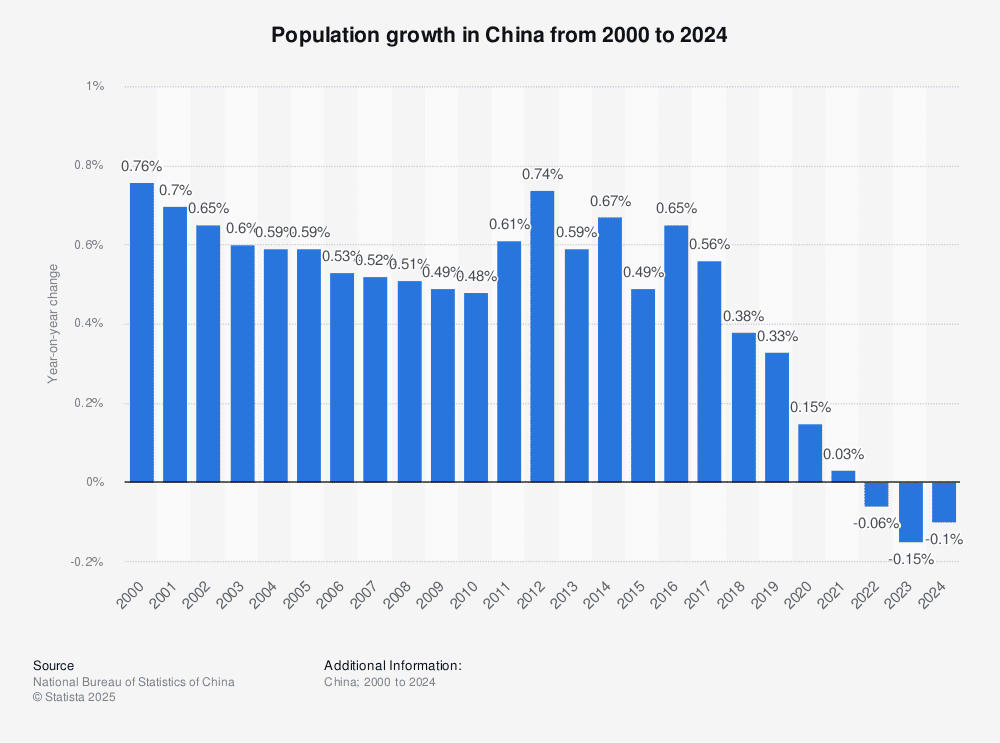
China’s population is aging, with a declining fertility rate and an increasing number of elderly citizens. This demographic shift is creating new opportunities in industries like healthcare, medical technology, and senior care services.
Meanwhile, the demand for highly-skilled workers is growing, as companies look to attract top talent from around the world.
Regional Differences in Employment Opportunities
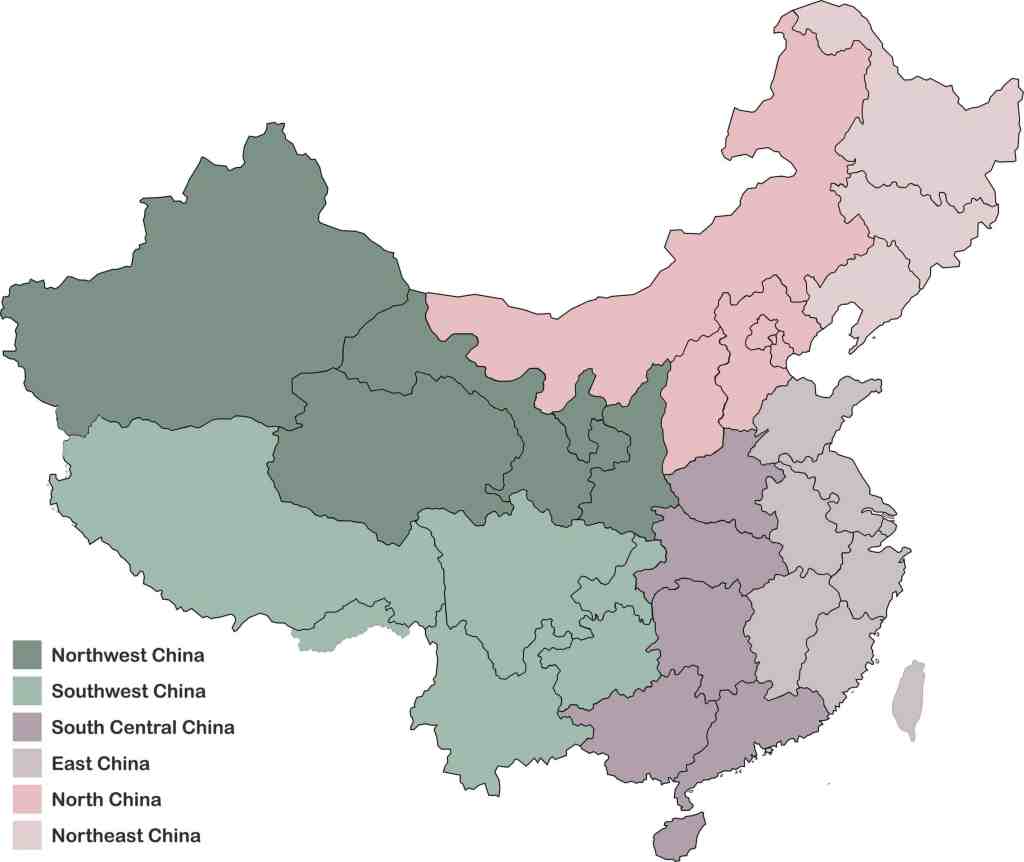
China’s employment landscape varies widely from region to region.
- Eastern Coastal vs. Central and Western Regions: The coastal regions, like Beijing and Shanghai, are hubs of economic activity, offering high-paying jobs in tech, finance, and services. On the other hand, the central and western regions are developing more slowly but are catching up with the help of government policies that are attracting new industries.
- Urban vs. Rural Areas: Cities provide more diverse job opportunities, especially in tech and finance, while rural areas still rely heavily on agriculture and traditional industries. However, the government’s Rural Revitalization Strategy is gradually creating new employment in sectors like rural e-commerce and tourism.
- Tier 1 Cities vs. Tier 2 and 3 Cities: Tier 1 cities like Beijing and Shanghai offer abundant high-paying jobs but come with higher living costs and stiff competition. Tier 2 and 3 cities, while offering fewer opportunities, are becoming more attractive due to lower costs of living and government incentives for businesses to relocate there.

The Future: Adapting to the Changing Employment Landscape
To succeed in this fast-evolving job market, workers need to focus on upskilling and reskilling. Whether it’s mastering new digital tools, learning data analysis, or diving into AI, continuous learning will be essential.
Online education platforms and vocational training programs are gaining popularity as people look to acquire new skills quickly and cost-effectively.
Ready to grasp the opportunities? Apply now with Apply For China!