
How to Say “How Are You?” in Chinese Like a Local
When you first learn Chinese, one of the first phrases you’ll likely encounter is “你好吗?” (nǐ hǎo ma?), which is the textbook version of “How are you?” But here’s the catch! Native Chinese speakers rarely say that in daily conversation. So, how can you sound more natural and connect like a local? Here’s how to greet people in Chinese like a local.

1. Classic Greetings
As mentioned before, most Chinese locals rarely use “你好吗?” (nǐ hǎo ma?) to greet each other. In the past, a standard greeting used was asking if you have eaten.
- 您吃了吗? (nín chī le ma?) – Have you eaten?
This wasn’t really about food; it was a polite way of checking in on someone’s well-being. Because back in the days, especially in the 80s, food scarcity was an issue. Therefore, they will show their concern in their greetings. Today, this phrase is mostly used among the older generation or in rural areas, and it’s slowly being replaced in formal settings by more modern expressions like:
- 您好! (nín hǎo) – Hello (respectfully)
- 最近还好吗? (zuìjìn hái hǎo ma) – How have you been lately?
- 你最近怎么样? (nǐ zuìjìn zěnmeyàng) – How have you been lately?

2. Everyday Greetings
👉 Semi-Formal Greetings
In Chinese culture, greetings are often rooted in the time of day and the specific context of the interaction. As shown in the title, this is a semi-formal greeting that you can use with your teacher, boss, coworker, etc. Here are some simple greetings in Chinese you can learn to be more like locals.

- 早上好!(zǎoshang hǎo) – Good morning!
- 早呀!(zǎo ya) – Morning!
- 下午好!(xiàwǔ hǎo) – Good afternoon!
- 晚上好!(wǎnshang hǎo) – Good evening!
💬 Example:
老师,早上好!(lǎoshī, zǎoshang hǎo!)
Good morning, teacher!
👉 Friendly, Natural Greetings
When you greet your neighbor, friend, or people you are closer to, instead of a direct “how are you,” locals often use questions about your daily life as a greeting. This is meant to show that they care and pay attention to you and your changes.

- 嗨!(hāi) – Hi!
- 最近怎么样?(zuìjìn zěnme yàng) – How’s it going recently?
- 最近忙啥呢?(zuìjìn máng shá ne) – What’ve you been busy with lately?
- 你气色不错啊!(nǐ qìsè búcuò a) – You look great!
- 看起来心情很好!(kànqǐlái xīnqíng hěnhǎo) – You seem to be in a great mood!
- 看起来心情不太好。怎么了?(kànqǐlái xīnqíng bútàihǎo. zěnme le) – You seem to be down. What happened?
- 去上班吗? (qù shàngbān ma) – Are you off to work?
💬 Example:
哎,好久不见,最近怎么样?(ài, hǎojiǔ bújiàn, zuìjìn zěnmeyàng)
Hey, long time no see! How have you been?
嗨,最近忙啥呢?要不要出来吃个饭? (hāi , zu jìn máng shà ne ? yàobúyào chūlái chī gè fàn)
Hey, what’ve you been up to? Want to grab a bite?
👉 Strangers, Greetings for Awkward Situations
Sometimes, there was just a moment when you were not familiar with each other but were stuck in a situation where you had to interact such as stuck in a party. If you’re in this situation, try these sentences out!
- 天气真好,是吧?(tiānqì zhēnhǎo , shì ba?) – The wheather is nice, isn’t it?
- 今天心情不错嘛!(jīntiān xīnqíng búcuò ma !) – Looks like you’re in a good mood today!
- 你和XXX是怎么认识的?(nǐ hé XXX shì zěnme rènshi de) – How did you and XXX know each other?
💬 Example:
天气真好,是吧?你一般周末做什么的?(tiānqì zhēnhǎo , shì ba ? nǐ yìbān zhōumò zuò shénme de ?)
The weather is nice, isn’t it? What do you usually do on the weekend?

3. Polite and Respectful Speech (敬语 jìngyǔ)
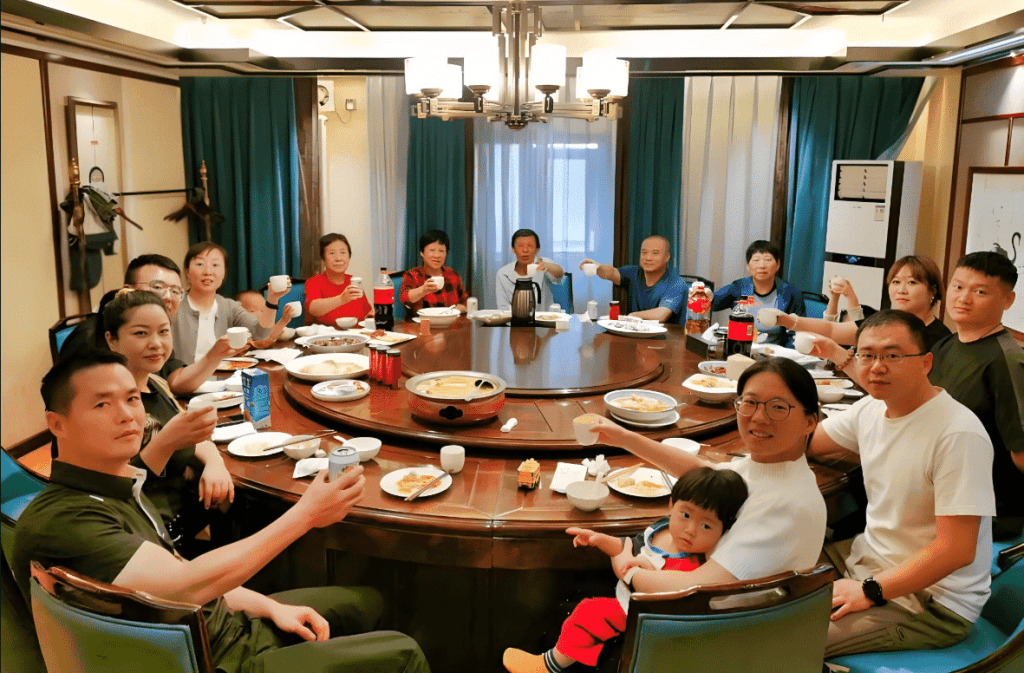
After you’re done with the greeting, the conversation needs to keep going. And using respectful language is essential when engaging in conversations with elders or in formal environments, such as family gatherings and formal events. This means addressing individuals appropriately, using polite tones, and choosing words that convey consideration and deference. Moreover, maintaining a calm and attentive demeanor helps foster a respectful atmosphere, making discussions more enjoyable and meaningful for everyone involved.
- 劳驾 (láojià) – Excuse me (lit. may I trouble you)
- 借光 (jièguāng) – Excuse me (to ask a small favor)
- 不好意思 (bù hǎoyìsī) – Excuse me (lit. I’m sorry)
- 怎么称呼您?(zěnme chēnghū nín) – How should I call you?
In addition, with the rise of AA制 (AA zhì – split bill), people are less insistent about paying the bill, though older folks might still express warmth during meals by saying:
- 再加个菜吧!(zài jiā ge cài ba!) – Let’s order another dish!
- 我来付!(wǒ lái fù) – It’s my treat/I’ll pay this bill.
💬 Example:
劳驾,能不能让一下?(láojià, néng bu néng ràng yíxià?)
Excuse me, could you please make way?
真的不好意思麻烦你递给我那盘菜。(zhēnde bù hǎoyìsī máfán nǐ dì gěi wǒ nà pán cài.)
I’m sorry, can you help pass that dish on to me?
4. Saying Goodbye
If there’s hello, then there will be goodbye. After mastering many different kinds of “How Are You?” let’s talk about how you can say goodbye to each other in Chinese like a local. Here are some simple Chinese greetings you can apply on real-life conversation with the local.
- 慢走! (màn zǒu) – Take care (used by host)
- 留步! (liúbù) – No need to see me off (used by guest)
- 下次再来玩!(xiàcì zài láiwán) – Come for another visit next time (used by host)
- 拜拜!(bàibai) – Bye-bye!
- 下周见!(xià zhōu jiàn) – See you next week!
- 有时间再聊哦! (yǒu shí jiān zài liáo ó) – Let’s meet up again when you have time!
💬 Example:
主人:慢走啊! (zhǔrén: mànzǒu a)
客人:不送了,留步留步! (kèrén : búsòng le , liúbù liúbù)
Host: Take care!
Guest: No need to see me off, really!

5. Cultural Etiquette: What to Avoid
In China, asking or talking about age, body shape, and appearance can be perceived as rude sometimes. Therefore, it’s best to avoid asking them directly—especially with women. Instead, go with:
- 您今年贵庚? (nín jīnnián guìgēng?) – May I ask your age respectfully?
- 你属什么? (nǐ shǔ shénme) – What is your Chinese zodiac?
- 你是哪年出生的? (nǐ shì nǎ nián chūshēng de) – What year were you born?
Another way to hold a conversation is to simply not talk about it. However, it’s not impossible to talk about this topic; you just have to be careful and not be too aggressive.
- 你瘦了么? (nǐ shòu le me) – Have you lost weight?
- 你打扮的真美。 (nǐ dǎbàn de zhēn měi) – You look really pretty.
- 我很喜欢你的发型。 (wǒ hěn xǐhuān nǐ de fàxíng) – I really like your hairstyle.
Be cautious in your conversation with questions that seem too personal, especially for your first meeting, such as:
- 去哪了? (qù nǎ le) – Where did you go?
- 在哪儿工作? (zài nǎ’er gōngzuò) – Where do you work?
- 工资多少? (gōngzī duōshǎo) – How much do you make?
Final Thoughts
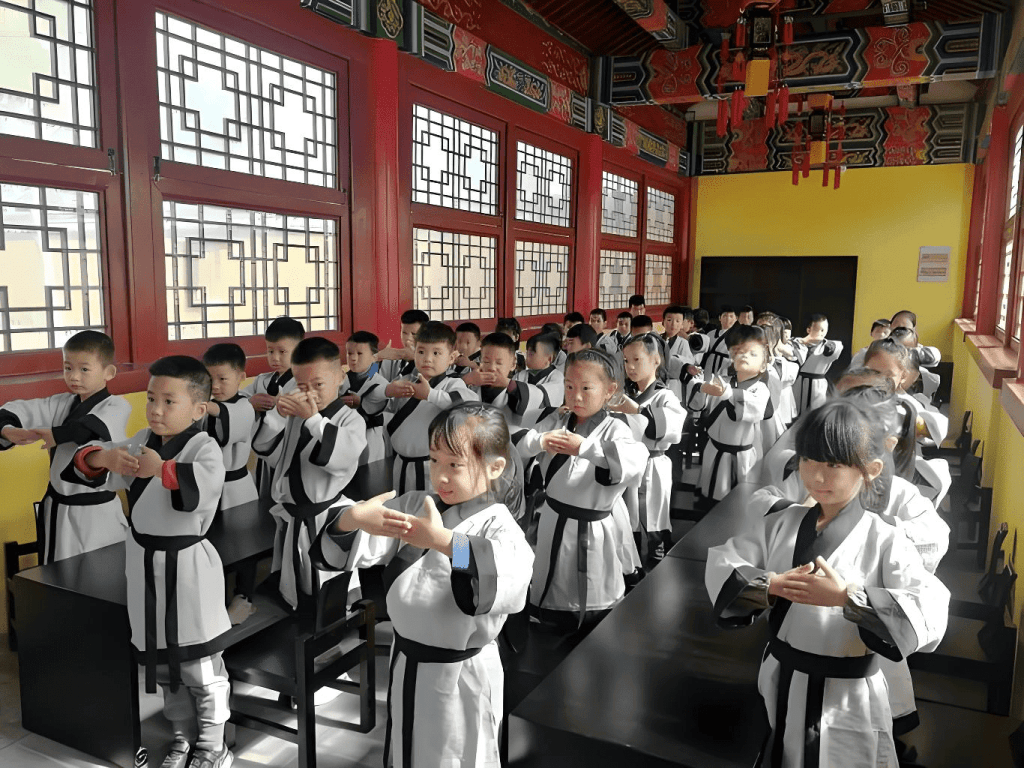
Chinese greetings reflect a beautiful mix of tradition, humility, and evolving social norms. Whether you’re navigating a formal meeting, catching up with friends, or just starting out with Mandarin, choosing the proper greeting helps you sound natural and respectful.
How was it? Are you interested to learn more about the Chinese Language and China? Visit our website to learn more about China, the Chinese language and culture, and even scholarship opportunities.
Pro Tip: Pay attention to context, choose appropriate words, and when in doubt, a warm “您好!nínhǎo” always works!