
Filming in China: Locations, Laws, and Blockbusters
China’s growing influence in the global film industry is undeniable. From iconic locations like the “Avatar mountains” in Zhangjiajie to record-breaking homegrown films, filming in China has become both a creative dream and a logistical challenge. Whether you’re working on a Disney film set in China, an indie “Made in China” film, or a documentary, here’s everything you need to know.
Iconic Filming Locations in China
1. Zhangjiajie National Forest Park, Avatar
Few places blur the line between Earth and fantasy as strikingly as Zhangjiajie National Forest Park in Hunan Province. Its towering sandstone pillars—some reaching over 3,000 feet high—inspired James Cameron’s floating Hallelujah Mountains in Avatar (2009), leading fans worldwide to ask, “Where in China was Avatar filmed?” The park’s ethereal landscape, often shrouded in mist, feels plucked from a dream, with quartzite peaks like the “Southern Sky Column” (renamed “Avatar Hallelujah Mountain” in 2010) drawing tourists and filmmakers alike. Now nicknamed “Avatar Mountains,” Zhangjiajie has become a pilgrimage site for cinephiles and nature lovers, its otherworldly beauty symbolizing how China’s real-world geography fuels global imagination.

2. Fujian’s Tulou, Mulan
Another cinematic treasure is Fujian’s Tulou Earth Buildings, featured in Disney’s live-action Mulan. These UNESCO-listed structures, with their circular, fortress-like design, have housed Hakka communities for centuries, blending communal living with defensive ingenuity. Their striking appearance made them the perfect backdrop for Mulan’s village, immersing audiences in a visually rich, culturally authentic setting.
3. Taklimakan Desert, Mulan
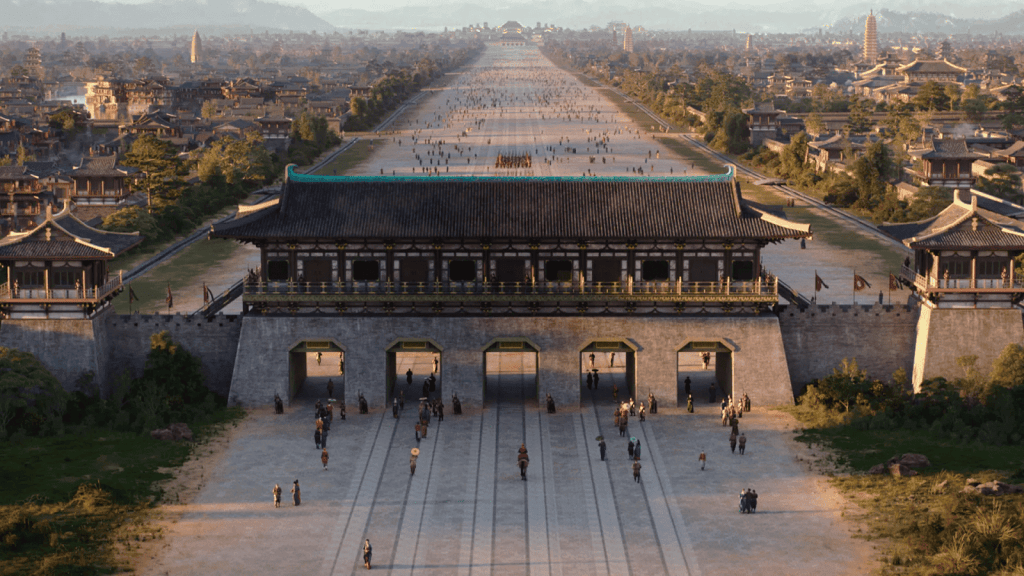
A Disney film set in China crossword clue? Probably Mulan—and it was proudly filmed in China, showcasing the country’s breathtaking landscapes. Beyond the Tulou, the production also utilized the vast and arid Taklimakan Desert in Xinjiang, one of the world’s largest shifting-sand deserts.

This dramatic location heightened the intensity of the film’s battle sequences, contrasting the earthy warmth of Fujian with the harsh, windswept dunes where Mulan proved her bravery.

By filming in these iconic locations, Disney not only paid homage to Chinese heritage but also highlighted China’s diverse geography. Whether it’s Fujian’s lush, mountainous regions or Xinjiang’s remote, otherworldly deserts. These settings reinforced Mulan’s epic scale while grounding its fantasy elements in real, awe-inspiring places.
4. The Great Wall of China (The Great Wall)
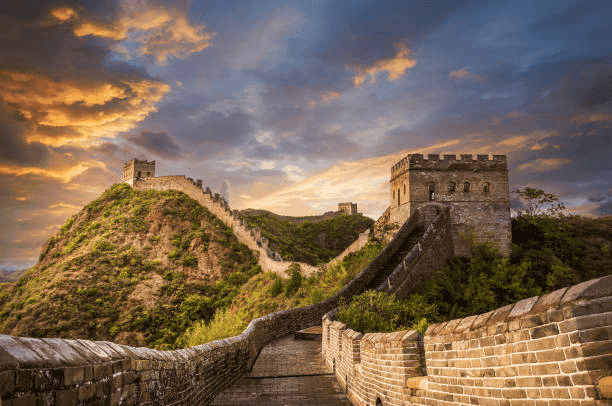
Beyond Avatar and Mulan, China’s diverse landscapes and historic sites have served as breathtaking backdrops for countless films. The Great Wall of China blends natural grandeur with cultural storytelling.
A prime example is The Great Wall (2016), which is a fantasy epic starring Matt Damon that. And true to its title, was filmed on location at the iconic Great Wall of China. The movie’s sweeping battle scenes were shot along the Jiankou and Gubeikou sections of the wall, where the rugged, unrestored masonry added a raw, cinematic intensity.

This UNESCO World Heritage Site, stretching over 13,000 miles. It provided a majestic yet haunting stage for the film’s monster-filled narrative, merging China’s most famous landmark with Hollywood spectacle.
5. Foshan, The Grandmaster
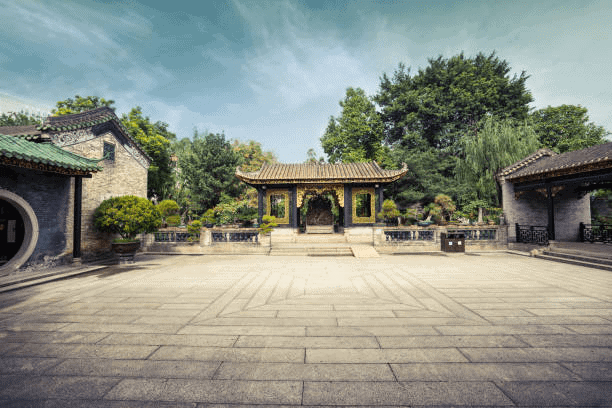
Similarly, the critically acclaimed The Grandmaster (2013), directed by Wong Kar-wai, drew its authenticity from the southern city of Foshan in Guangdong Province. This place is the birthplace of legendary martial artist Ip Man, whose life inspired the film.

Foshan’s centuries-old Lingnan architecture, with its ornate ancestral temples and misty alleyways, transported viewers to the 1930s Republic era. The city’s deep ties to kung fu culture were palpable in every frame. It captured everything, from the dimly lit teahouses where masters exchanged philosophies to the rain-soaked courtyards where fierce duels unfolded. By filming in Foshan’s historic districts, Wong Kar-wai captured not just the physicality of Wing Chun kung fu but also the soul of a city that shaped its legacy.
6. Anji Bamboo Forest, Hidden Dragon
For sheer visual poetry, few locations rival the Anji Bamboo Forest in Zhejiang Province, immortalized in Ang Lee’s Crouching Tiger, Hidden Dragon (2000). The forest’s towering emerald stalks and whispering canopy became a character in their own right during the film’s mesmerizing duel between Li Mu Bai (Chow Yun-fat) and Yu Shu Lien (Michelle Yeoh). Choreographed by Yuen Woo-ping, the sequence transformed the bamboo grove into a gravity-defying dance floor, where fighters gilded stop swaying stalks as if weightless. This ethereal setting, bathed in diffused green light, elevated the scene into one of cinema’s most iconic martial arts moments. Beyond its beauty, Anji’s bamboo ecosystem—a symbol of resilience in Chinese culture—mirrored the film’s themes of love and honor bending but never breaking.

These films underscore how China’s real-world locales—from ancient fortifications to misty bamboo realms—aren’t just settings but storytellers in their own right. Whether amplifying fantasy, history, or martial arts mysticism, they bridge the gap between myth and reality, leaving audiences awestruck by the landscapes that shape these tales.
Legal Framework and Permissions
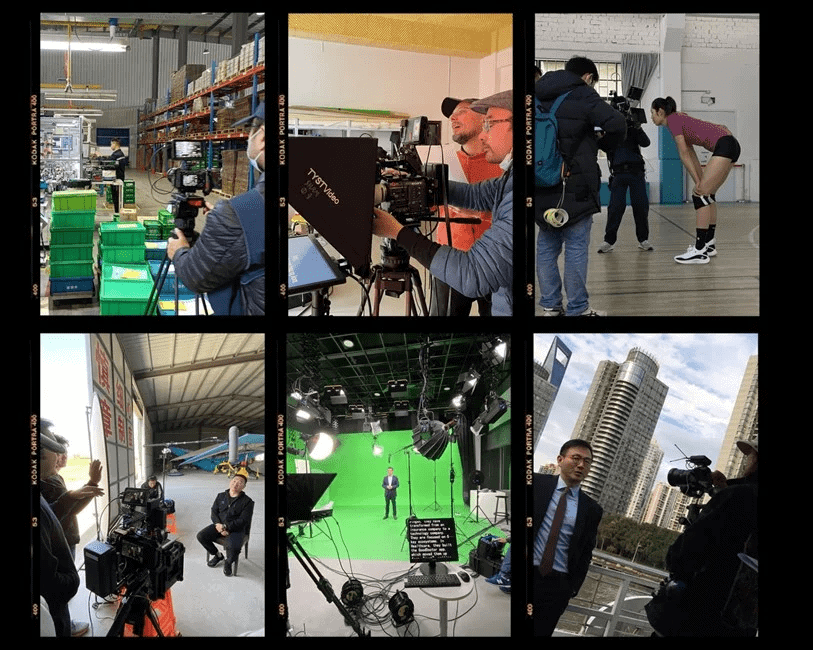
China offers filmmakers unparalleled opportunities, but thorough preparation is essential for a successful production. The first step is securing the proper J2 visa, specifically designed for media professionals.
This requires submitting a script synopsis, detailed shooting itinerary, and proof of your production’s legitimacy. This processes that can take several weeks, so early application is crucial. Additionally, filming permits are mandatory for most locations. Especially in iconic sites like the Forbidden City or Great Wall, where authorities enforce strict regulations to protect cultural heritage. Even public spaces in major cities often require prior approval, and drone usage is heavily restricted without special clearance.
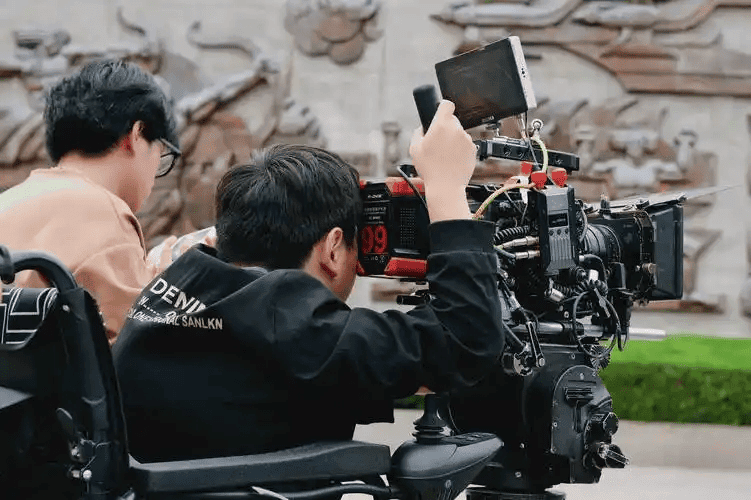
Fortunately, China’s film industry is highly professional. It boasts experienced local production teams that streamline logistics and navigate bureaucracy. These experts ensure compliance with regulations and provide invaluable support. From securing permits to coordinating with local crews, they make the process far more manageable than attempting it independently.
By partnering with trusted local professionals, international filmmakers gain a high efficiency. In addition, gaining access to China’s breathtaking locations, world-class studios, and skilled technicians, ensuring a smooth and visually stunning production.
Understanding Censorship and Banned Films in China
China’s strict censorship laws play a significant role in shaping the country’s film industry. The government determine what content can and cannot be produced or released. These regulations are in place to ensure that films align with the country’s core socialist values. These regulations aim to ensure public morality, and promote cultural unity and national pride. As a result, domestic and international filmmakers must carefully navigate these guidelines when planning and producing movies in or about China.
Films that violate supervision regulations may face a complete ban or postponement of their release. A well-known example is Deadpool. It failed to be released in China due to its violent content and irreverent humor. Both of these elements conflict with Chinese film content standards.
Even major blockbusters like Disney’s Mulan (2020) came under scrutiny. The film was shot in various scenic Chinese locations, including Xinjiang and the Fujian Tulou. While Mulan was not banned, it sparked public discussion. This was because part of the film was shot near regions associated with political sensitivity. Nevertheless, the movie was ultimately released and supported in China. It showcased the country’s rich heritage, traditional values, and stunning landscapes.
To work within these boundaries, many foreign studios now collaborate with Chinese production companies. They will consult with local authorities to ensure cultural sensitivity and compliance. This has led to a rise in co-productions that not only meet the standards set by the Chinese government but also appeal to the country’s rapidly growing audience.
By respecting China’s regulatory environment, filmmakers can successfully bring stories to life that celebrate Chinese culture and resonate with local audiences. On another hand, opening doors to one of the world’s largest and most dynamic film markets.

China’s Box Office Power
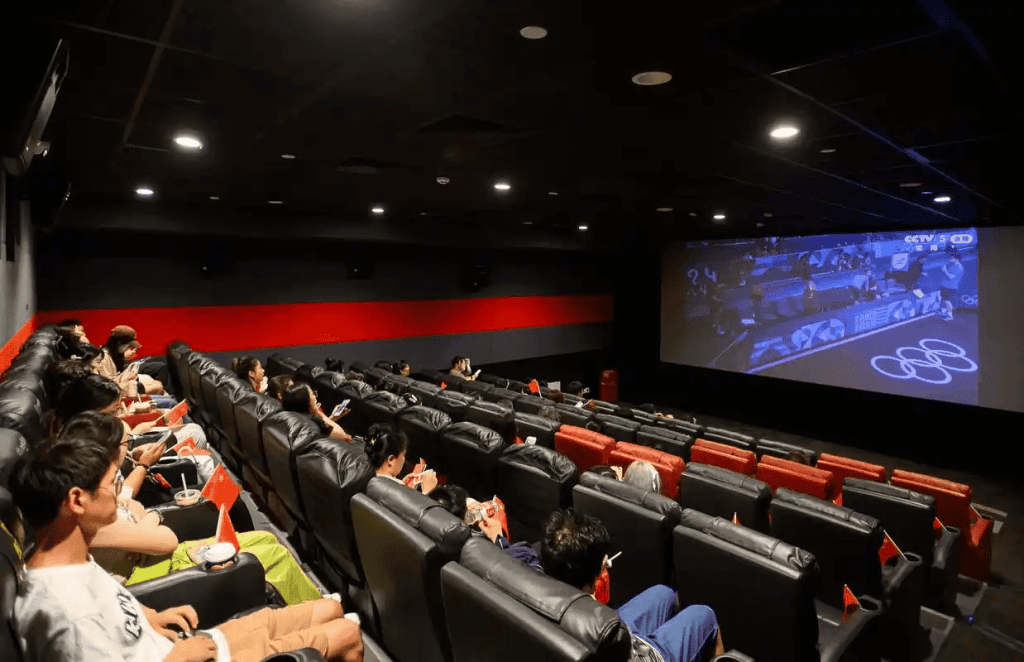
The Chinese box office continues its record-breaking trajectory. In 2025, the Spring Festival season show the epic animation Ne Zha 2 shatter records, earning ¥14.7 billion (approximately $2 billion). This achievement makes it the highest-grossing film in China’s history. The sequel to the 2019 phenomenon masterfully blends advance animation technology with authentic Chinese mythological elements, proving domestic audiences’ growing preference for high-quality local productions over Hollywood imports.

The film’s unprecedented success reflects a broader trend. Chinese-made movies now command over 85% of the domestic market share. This is a significant increase compared to just 50% a decade ago. At the same time, these films are gaining prestige through awards at major international festivals like Cannes and Berlin.
Ne Zha 2 exemplifies the new golden age of Chinese cinema. Filmmakers are successfully repackaging traditional stories like the 16th-century Fengshen Yanyi novel into visually spectacular blockbusters. These films resonate with modern audiences. The film’s triumph comes alongside other homegrown hits like The Wandering Earth 3. Together, they demonstrate how Chinese studios have mastered the art of combining cultural authenticity with world-class production values.

This cultural confidence has created a virtuous cycle where audiences increasingly favor local stories told with Chinese sensibilities. In addition, streaming platforms also globally compete for distribution rights to these premium productions.
Final Thoughts
Filming in China offers filmmakers an unparalleled opportunity. They can bridge ancient heritage with cutting-edge innovation. The country’s diverse landscapes provide ready-made epic backdrops. From Zhangjiajie’s floating mountains to Xi’an’s terracotta warriors, these visuals have powered everything from Disney’s Mulan to visionary indies like Ash Is Purest White. China boasts world-class studios like Hengdian. There are also emerging virtual production hubs in Shanghai. This combination uniquely blends millennia of storytelling tradition with 21st-century film technology.
Filming in China offers filmmakers an unparalleled opportunity. They can bridge ancient heritage with cutting-edge innovation. The country’s diverse landscapes provide ready-made epic backdrops.
From Zhangjiajie’s floating mountains to Xi’an’s terracotta warriors, these visuals have powered everything from Disney’s Mulan to visionary indies like Ash Is Purest White. China boasts world-class studios like Hengdian. There are also emerging virtual production hubs in Shanghai. This combination uniquely blends millennia of storytelling tradition with 21st-century film technology.
This is more than a filming location—it’s where the past and future of cinema collide, offering storytellers unmatched resources if they’re willing to work with China on its own artistic terms. The proof fills screens worldwide, from arthouse festivals to billion-dollar blockbusters.

Want to know more interesting bits and pieces about the Chinese language, cultures, and news? Or you might want to go to China for travel, work, or study? Visit ApplyforChina for free consultation.