
Marketing in China: Strategies, Hotspots, and Trends
China’s market is a universe of its own—a blend of ancient commerce, hyper-modern innovation, and consumer power that demands both respect and ingenuity. Whether you’re drawn to the neon-lit alleys of Guangzhou’s electronics wholesale market or the sizzling skewers of Beijing’s night markets, understanding this ecosystem is key to unlocking its potential. This blog dives into actionable strategies, thriving commercial hubs, and the digital trends reshaping how brands connect with 1.4 billion consumers.
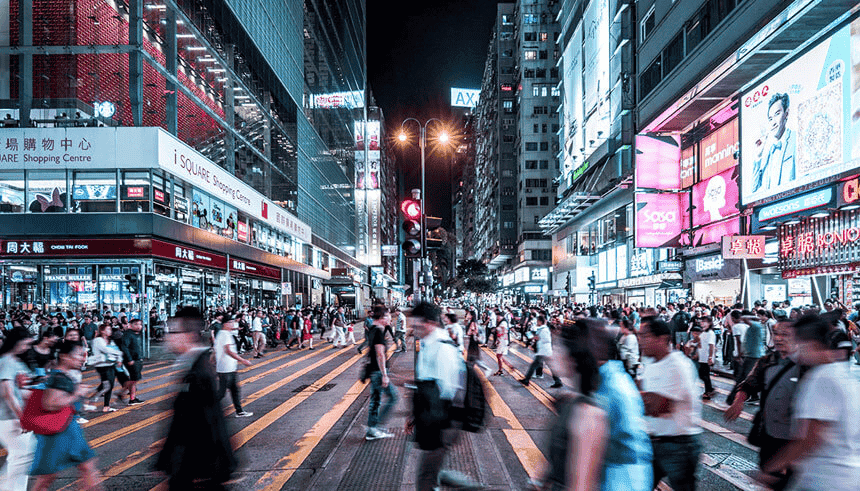
The Chinese Market: A Playground of Scale and Nuance
Marketing in China isn’t just about selling—it’s about storytelling, localization, and agility. With a digitally native population spending 6+ hours daily online, brands must craft campaigns that resonate culturally while riding trends at lightning speed. Consider these pillars:
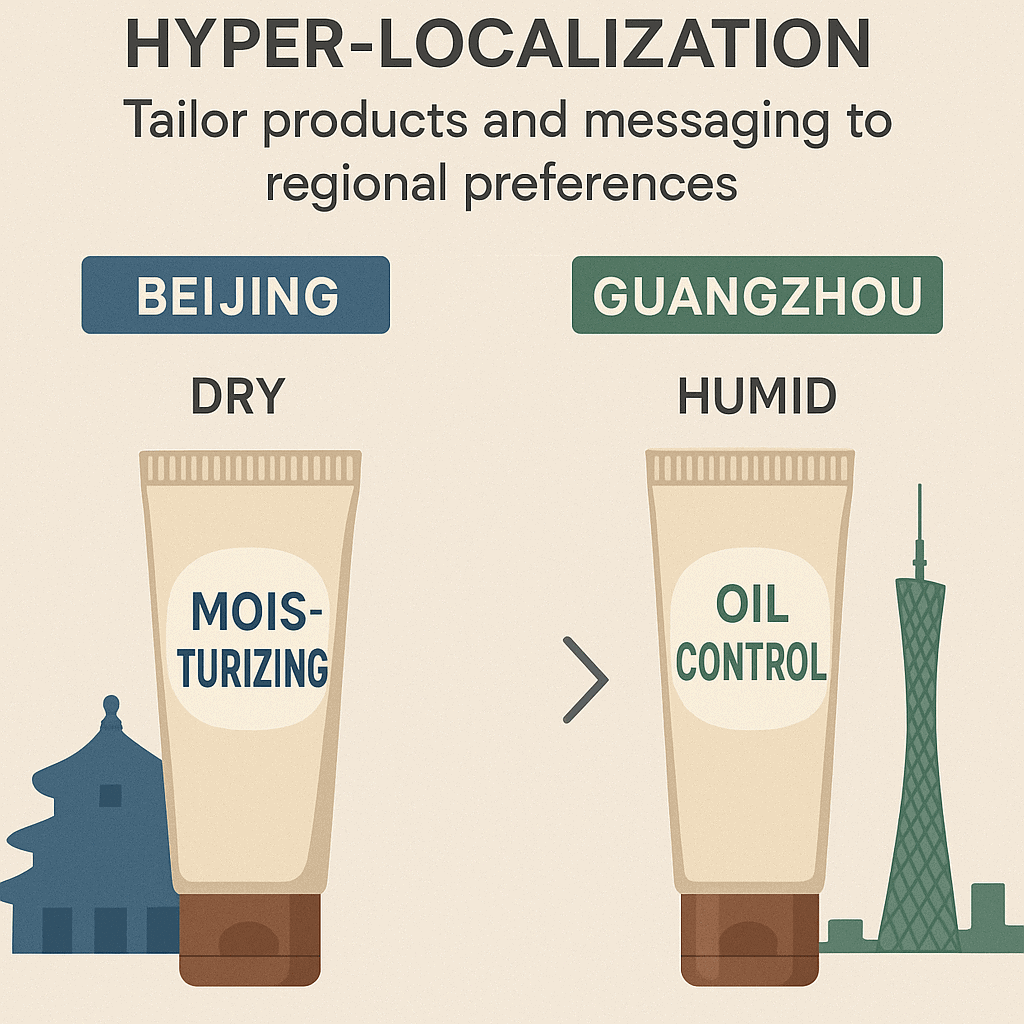
- Hyper-Localization: Tailor products and messaging to regional preferences. A skincare brand might highlight “moisturizing” in dry Beijing but “oil control” in humid Guangzhou.
- Trust Building: Chinese consumers favor brands that align with national pride or social responsibility (e.g., eco-friendly packaging, support for rural revitalization).
- Platform Mastery: From WeChat’s mini-programs to Douyin’s viral challenges, success hinges on platform-specific strategies.

Hot Markets: Where Commerce Thrives
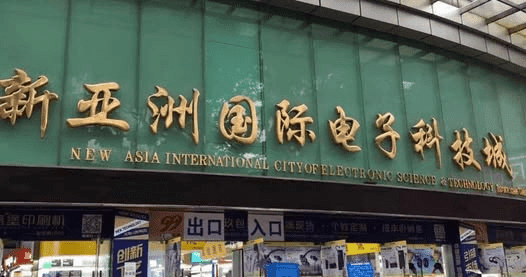
A. Electronics Market in Guangzhou China: Asia’s Tech Nerve Center
The electronics wholesale market in China finds its epicenter in Guangzhou’s Sanyuanli district, a labyrinth of stalls brimming with gadgets, components, and IoT devices. This hub fuels global supply chains, supplying everything from smartphone parts to AI-driven home appliances.
Why It Matters:
- Innovation Showcase: Vendors here often debut prototypes, offering a pulse on tech trends like foldable screens or EV components.
- B2B Opportunities: Bulk buyers negotiate directly with factories, slashing costs for resellers in Europe or Southeast Asia.
- Quality Wars: With counterfeit risks, brands must partner with certified suppliers or use blockchain verification tools.
💡Pro Tip: Attend the Canton Fair (held biannually in Guangzhou) to network with manufacturers and spot emerging tech.
B. Fabric Market in Guangzhou China: Threads of Global Fashion
Guangzhou’s Haizhu District hosts the world’s largest fabric market in Guangzhou China, a paradise for designers and fast-fashion giants. Over 50,000 suppliers offer silks, denims, and cutting-edge sustainable materials like bamboo fiber and recycled polyester.
Trend Spotlight:
- Eco-Fabrics: Driven by China’s “dual carbon” goals, demand for organic cotton and biodegradable textiles has surged 300% since 2020.
- Fast-Fashion Speed: Zara and Shein source here to accelerate production cycles—some suppliers deliver samples in 24 hours.

Strategy: Use Xiaohongshu (RedNote) to crowdsource fabric trends. A post about “2024’s top summer linen” could go viral among boutique owners.
C. Futian Market in Yiwu China: The World’s Supermarket
The Futian market in Yiwu China is a dizzying maze of 75,000+ stalls selling everything from LED fairy lights to Ramadan décor. Known as the “Christmas Village,” 60% of the world’s festive decorations are sourced here.
Keys to Success:
- Bulk Bargaining: Prices drop by 40-60% for orders over 1,000 units.
- Logistics Mastery: Partner with Yiwu-based freight forwarders to navigate export regulations to Africa, the Middle East, or Latin America.
- Customization: Offer OEM services (e.g., branded packaging) to stand out.

Night Markets: Where Culture Fuels Commerce
A. Night Market in Beijing China: A Feast for the Senses
Beijing’s night markets—like Wangfujing Snack Street—are more than food hubs; they’re stages for experiential marketing. Imagine:
- QR Code Dumplings: Scan a code on a snack wrapper to unlock a Douyin discount for a nearby store.
- Livestream Karaoke: A makeup brand hosts a singing contest, with winners receiving products promoted via KOLs (Key Opinion Leaders).
- Data Point: China’s nighttime economy hit $4 trillion in 2023, with 60% of urbanites shopping after 8 PM.
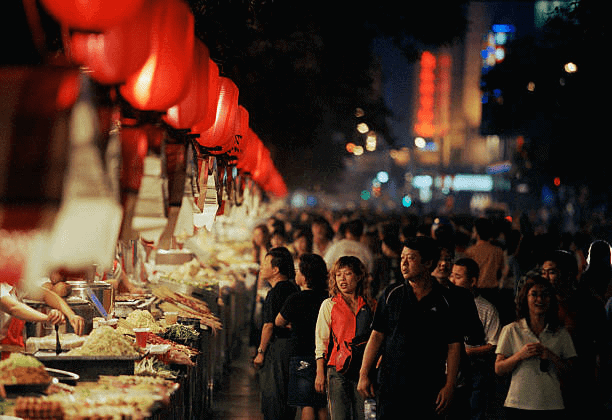
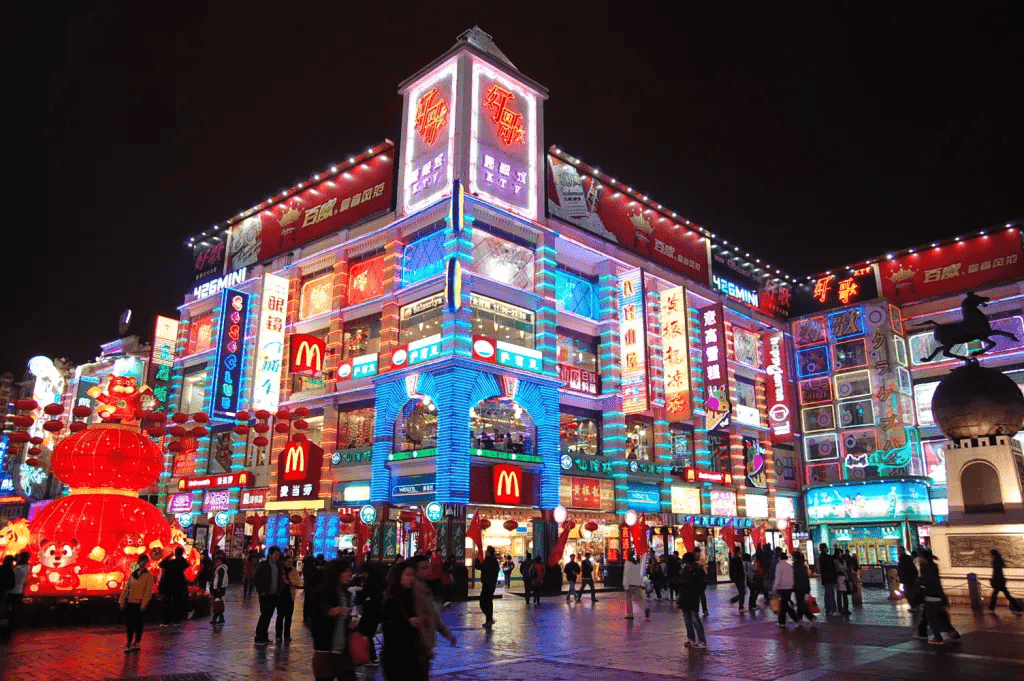
B. Night Market in Guangzhou China: Where Food Meets Fashion
Guangzhou’s Shangxiajiu Pedestrian Street transforms after dark into a night market in Guangzhou China teeming with street food, trendy apparel, and tech gadgets.
Local vendors use Douyin to livestream “midnight sales,” offering limited-time discounts to viewers nationwide. A bubble tea brand saw a 200% sales spike after hosting a live “DIY topping bar” at the market, with influencers broadcasting the event.
Social Media Marketing in China: The Digital Gold Rush
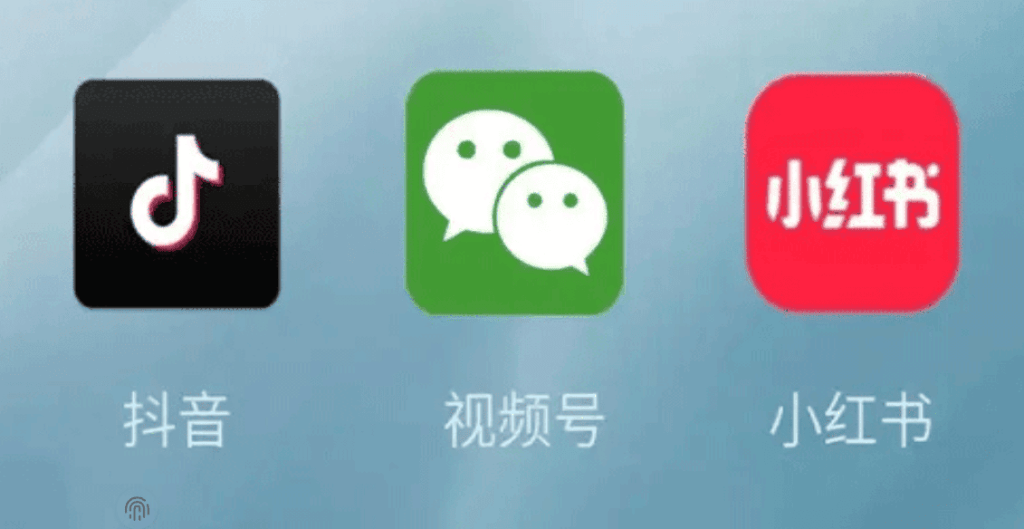
Social media marketing in China operates in a walled garden of platforms, each with unique quirks:
- WeChat: Beyond messaging, its mini-programs let users book services, pay bills, and shop without leaving the app. Learn more about how to pay with WeChat.
- Xiaohongshu: Dubbed “China’s Instagram + Pinterest,” it’s where urban millennials discover niche brands.
- Douyin (TikTok): Livestream sales here hit 480billion in 2023, with hosts like “LipstickKing” LiJiaqi selling 145M in cosmetics in one night. Learn more about Douyin vs TikTok.
Pro Strategy:
- KOLs vs. KOCs: Macro-influencers (KOLs) build awareness, but micro-influencers (KOCs) drive trust. For example, a KOC mommy blogger reviewing strollers at the fabric market in Guangzhou China can sway parent buyers.
- Guangzhou Focus: Partner with Cantonese-speaking influencers to tap southern China’s affluent consumers.
Digital Marketing Strategy in China: Riding the Tech Wave
A winning digital marketing strategy in China blends creativity with cutting-edge tech:
Trend 1: AI-Powered Personalization
Alibaba’s “Tmall Genie” uses AI to analyze browsing habits, pushing tailored ads. For instance, a user eyeing hiking gear might see ads for waterproof fabrics from the fabric market in Guangzhou China.
Trend 2: Livestream 2.0
Beyond sales, brands use livestreams for education. A tech company might demo 3D printers at the electronics wholesale market in China while answering real-time FAQs.
Trend 3: Virtual Stores
Pinduoduo’s “virtual night markets” let users explore digital replicas of Beijing’s night markets, clicking on stalls to order physical deliveries.

The Formula for China Market Success
To conquer marketing in China, remember:
- Localize Relentlessly: Adapt to regional dialects, festivals, and tastes.
- Embrace Hotspots: From the Futian market in Yiwu China to Guangzhou’s electronics markets, physical hubs drive B2B and B2C wins.
- Digital First: A robust digital marketing strategy in China is non-negotiable—think livestreams, AI, and Xiaohongshu virality.
Whether you’re haggling at a night market in Beijing China or optimizing a WeChat mini-app, success in China demands equal parts strategy, speed, and cultural respect.
As you step into the whirlwind of China’s markets—whether haggling over circuit boards in Guangzhou’s neon-lit alleys or savoring dumplings at a Beijing night market—remember that every transaction here is a bridge between tradition and tomorrow. Ready to turn these insights into action? Visit ApplyforChina to unlock a treasure trove of resources on Chinese language, culture, and logistics.
Whether you’re dreaming of studying in Shanghai, launching a startup in Shenzhen, or simply sipping tea beneath the Great Wall, our team offers free consultation to smooth your path. From visa guides to cultural workshops, we’re here to ensure your adventure in China isn’t just successful—it’s legendary. 你的中国故事 (Your China story nǐ de zhōngguó gùshì) begins now!