
Can Americans Study in China? What You Need to Know
In today’s tense political climate, it might seem like the answer is “no.” The news cycle is dominated by headlines about trade wars, tech disputes, and the rivalry between the United States and China, which depict two nations growing more distant from one another. Beneath this geopolitical tension, however, is a quieter and more personal question that affects not only diplomats and policy wonks but also everyday students: Can Americans still study in China?
The answer is yes, you can, and maybe you ought to!

From 15,000 to Fewer Than 1,000: The Decline of U.S. Students in China
Back in 2011, China was quickly rising as a global power, and American interest in studying there was growing alongside it. Over 15,000 American students decided to study abroad in China that year. They came to learn Mandarin, experience a different culture, and get ready for jobs in international development, business, or diplomacy.
Fast forward to today, and that number has fallen. Recent estimates show only about 800 American students are currently studying in China. This is a staggering drop that extends far beyond the pandemic. International travel may have been hampered by COVID-19, but American students did not return even after China’s borders were reopened and universities started accepting international students again.
So, what happened?
Part of it is geopolitical. There is a cautious mindset among parents, students, and universities alike as a result of the escalating tensions between the United States and China. In the West, there is also a growing narrative that China is too dangerous, too different, or too difficult. When you combine that with a lack of awareness about the actual experience of students in China, you end up with a generation of Americans who don’t think China is a good choice.
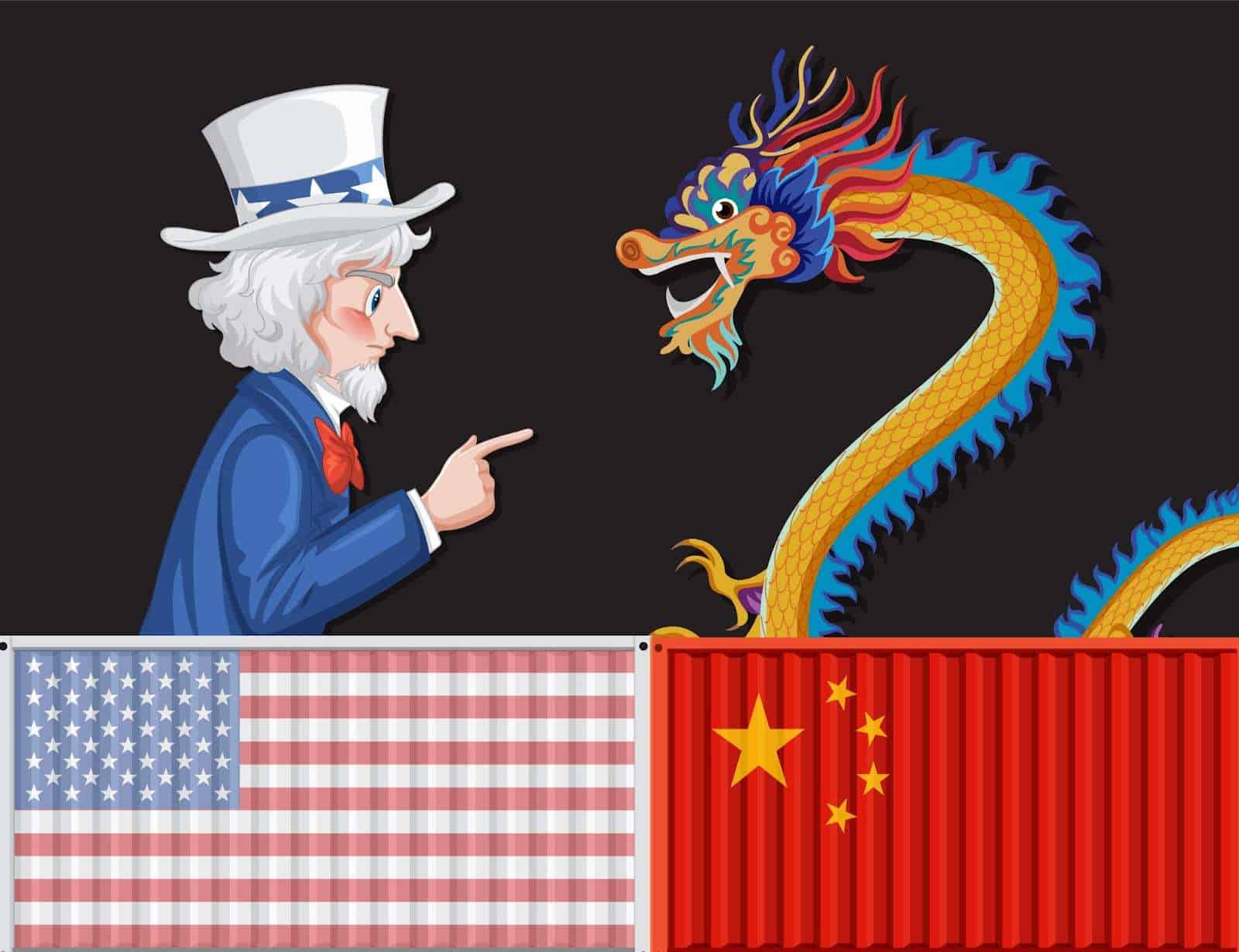
Meanwhile, with more than 290,000 Chinese students enrolled in American universities, the disparity has never been more stark. The numbers speak for themselves when you contrast that with less than a thousand Americans in China.
Why That Should Change — And Why It Matters
This decline isn’t just a statistic: it’s a real loss of potential. Future American leaders and academics will have fewer opportunities to gain firsthand knowledge of China if there are fewer Americans living there. It means fewer human ties, less cross-cultural interaction, and more room for miscommunication.
The irony is, at a time when China is more globally influential than ever (in economics, technology, climate policy, and geopolitics) Americans are learning less and less about it through lived experience. As one expert from the National Committee on U.S.-China Relations put it, “If American students aren’t going to China, we’re going to have fewer experts, fewer leaders who actually know what they’re talking about.”
But beyond the diplomatic consequences, this is also a missed opportunity for students. Students who study in China gain advantage in language proficiency and cultural literacy. Having real-life experience in the second-largest economy in the world doesn’t just make your resume stand out in a crowded job market, but also demonstrates adaptability and global thinking.
What It’s Actually Like to Study in China — And Why It’s So Worth It
1. Living in China Is Easier — and Better — Than You Might Expect
Many Americans might imagine China as unfamiliar or overwhelming. But ask any international student who’s lived in a major Chinese city, and you’ll likely hear about the convenience, safety, and vibrant daily life.
Consider Shanghai, which has blazing-fast public transportation, late-night street food, lush parks, and towering skyscrapers. It’s one of Asia’s most advanced cities. Countless cafes, libraries, gyms, and even 24-hour convenience stores are conveniently located near campus for students to enjoy. Need to order groceries? There’s an app for that. Want bubble tea delivered to your dorm? It’ll arrive in 10 minutes.
Life in China is fast-paced, but also full of the simple joys in life: bike rides along the river, weekend trips to ancient water towns, and nights spent laughing with classmates over hot pot.
And despite language barriers, daily life is surprisingly manageable. Universities offer language assistance and dedicated student coordinators. Many programs are fully taught in English, and translation apps make communication easier than ever.

2. It’s Affordable — and There Are Scholarships
China is far more affordable than studying in the United States, Europe, or even other parts of Asia. Many prestigious Chinese universities have annual tuition costs of less than $5,000. With housing, food, and transportation included, monthly living expenses in places like Beijing or Shanghai can be as low as $400 to 600.
There are also a variety of scholarships available. The Chinese Government Scholarship (CGS) is one of the most generous, covering tuition, housing, and even a monthly stipend. Programs such as Peking University’s Yenching Academy and Tsinghua University’s Schwarzman Scholars provide top-tier, fully-funded graduate education in English.
China presents a strong argument for American students who wish to travel the world without getting bogged down in student loan debt.

Learn more about Scholarships in China
Learn more about Affordable cities in China
3. Study in China, Understand the Future
China is the second-biggest economy in the world and a leader in artificial intelligence, green energy, and international infrastructure. There is no better way to peek into the world of tomorrow than to live and study in China.
For American students, this isn’t just about academics. It’s a career advantage. Whether you want to work in business, tech, policy, health, education, or journalism, China fluency opens doors. Employers such as Apple, Tesla, and the UN are looking for workers who can work in and with China.
And it’s not just about personal gain. In order to effectively manage the most important bilateral relationship in the world, the United States needs more “China hands”: people with first-hand knowledge and true cultural literacy. In a time of rising tensions and misunderstanding, that experience matters.
As one China expert put it, “You can’t out-compete China if you don’t understand it.” Studying in China gives you that understanding, not just from books, but from lived reality.

4. A Rich Academic and Cultural Experience
China’s top universities, like Tsinghua, Peking, Fudan, and Zhejiang, are climbing global rankings fast, with excellent educational systems and world-class faculty. Popular programs such as business, engineering, international relations, and medicine are available in English.
But it’s not just about degrees. Learning calligraphy in a peaceful courtyard, practicing taichi at dawn, or debating climate policy and Confucianism all in one week are all part of studying in China. It’s where culture and modernity collide both inside and outside of the classroom.
You’ll learn not just about China, but with Chinese students, who are just as curious about the world as you are. Additionally, you will be a part of a multicultural community in China, which hosts more than 500,000 international students each year from Asia, Africa, Europe, and other continents.

5. You’ll See the World Differently
Living in China challenges preconceptions. It challenges you to think outside of the box, ask fresh questions, and break out of American-centric thinking.
You’ll develop empathy, adaptability, and critical thinking skills. You’ll learn how to feel comfortable and confident in unfamiliar situations. You’ll come home changed: more nuanced, more informed, more ready to engage with the outside world.
And while geopolitics may dominate headlines, your experience won’t be shaped by diplomacy, but by knowledgeable professors, noodle shops, and late-night conversations with friends.
The Benefits of Studying in China — For You and Everyone
Studying in China isn’t just a personal adventure, it’s an investment in your future and a bridge between cultures that benefits everyone.
For You
When you live and study in China, you build skills that textbooks and classrooms don’t teach you. You become more fluent in Mandarin, which is a great advantage in a global job market. More than that, you develop cultural intelligence, the ability to navigate different social norms, business etiquette, and worldviews. Employers value these skills because they mean you’re adaptable, curious, and capable of working across borders.
For U.S.-China Relations
On a broader scale, the presence of American students in China helps build trust and understanding between two of the world’s most important countries. Studying abroad fosters interpersonal relationships that can soften political tensions. These students go on to become diplomats, academics, and corporate executives who contribute complex viewpoints and greater empathy to their jobs.
For Global Collaboration
From space exploration to green technology innovation, from public health to climate change, China plays an important role in tackling global issues. Having Americans with firsthand experience and knowledge of China in key fields means better cooperation on the world stage. The more Americans understand China, the more both countries, and the rest of the world, can work together toward a better and a more peaceful future.

So — Can You Study in China?
Yes, you can. And if you’re curious, open-minded, and up for a challenge, you absolutely should!
It won’t always be easy. There will be culture shock, language barriers, and maybe the occasional blocked app. But there will also be moments of discovery, friendship, and transformation that simply can’t happen anywhere else.
Don’t let headlines make the decision for you. If you want to understand China — truly understand it — go see it for yourself.
The opportunity is still there. The question is: will you take it?