
How Long Is a Chinese School Day? – Student Life Guide
If you’ve ever asked yourself, “How long is a school day in China?”, the answer is longer than you might think. From elementary school through college, Chinese students generally have a far more structured and extended daily schedule than students in many other nations.
Whether you’re planning to study in China, curious about Chinese culture, or simply fascinated by how education systems differ around the world, here’s a breakdown of what a typical school day looks like across Chinese schools at the primary, middle, high school, and university levels. Here is how the chinese schooling system is like.
Primary School in China: Building the Foundation
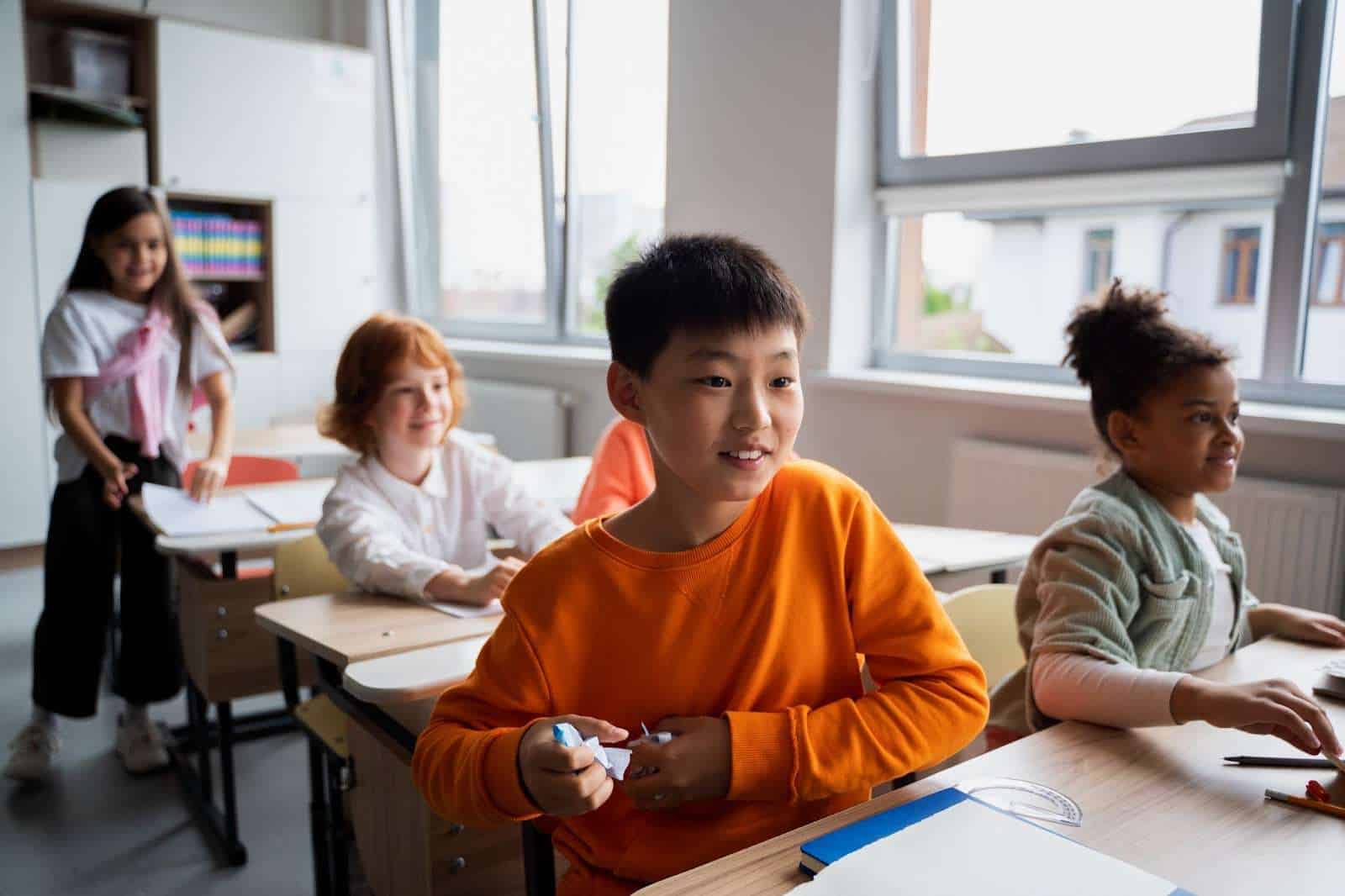
Primary school students in China usually begin their school day at 8:00 AM and end it by 3:30 or 4:00 PM. Their schedule is somewhat more relaxed than that of older students, but it’s still more rigorous than what many kids in the West go through.
What Happens in a Primary School Day at Chinese Schools?
- Morning Reading or Exercises: To get the students going, many Chinese schools begin the day with group activities or reading time.
- Short Periods, Multiple Subjects: Each class lasts about 35–40 minutes, covering basics like Chinese, math, art, and moral education.
- Eye Exercises: Yes, eye exercises! These are built into the schedule to reduce eye strain from using screens and blackboards, which is standard practice in Chinese schools at all levels.
- Lunch and Nap Break: Students get a lunch break around 11:30 AM, followed by a short midday rest (often called xiuxi), some even nap at their desks!
- Afternoon Classes: Lessons resume in the early afternoon and wrap up by around 3:30 or 4:00 PM.
While primary students may not have as much homework or tutoring as older students, they’re still taught the importance of diligence, self-control, and academic responsibility at a young age.These are key themes throughout Chinese schools.

A Day in the Life: Middle and High School Students in China
A standard school day for middle and high school students in Chinese schools typically begins around 7:30 to 8:00 AM and doesn’t end until 5:00 or even 9:00 PM. For younger students in primary school, the day usually wraps up around 3:30–4:00 PM. But for middle and high schoolers? Prepare yourself for a learning marathon.
Even before official classes begin, self-study sessions are a common way for middle schools in China to start the day. Under a teacher’s guidance, students read, study for tests, or go over their assignments. Seven or eight academic periods follow, broken up with short breaks, morning workouts (yes, running laps is required!), and even eye exercises meant to alleviate screen fatigue.
After lunch (often served at 11:30 AM in the school canteen), students take a mandatory “xiuxi” break (and sleeping at your desk is totally normal). Then it’s back to class until around 5:00 PM.
But it doesn’t stop there.
Students must attend evening self-study sessions from 6:30 PM to 9:30 PM at many Chinese schools, particularly boarding schools, where they continue working on assignments or going over notes under teacher supervision.
Fun fact: “Can You Feel the Love Tonight” and other instrumental music are played when the morning wake-up bell rings at some Chinese schools. You will never forget it. Ever.
Academic Pressure and the Gaokao Grind
In addition to being a matter of discipline, the long hours in Chinese schools are a direct result of the pressure to do well on the Gaokao, the country’s demanding national college entrance exam. It’s a life-defining test, and students spend years preparing for it. That’s why schools in China often add extra hours and pack in tutoring sessions.
Classes are short (usually 40–45 minutes) but intense, covering a wide range of subjects including Chinese literature, math, biology, geography, and English. Furthermore, students are ranked and sorted into performance-based classes that can determine their academic path for years to come.

What About Balance?
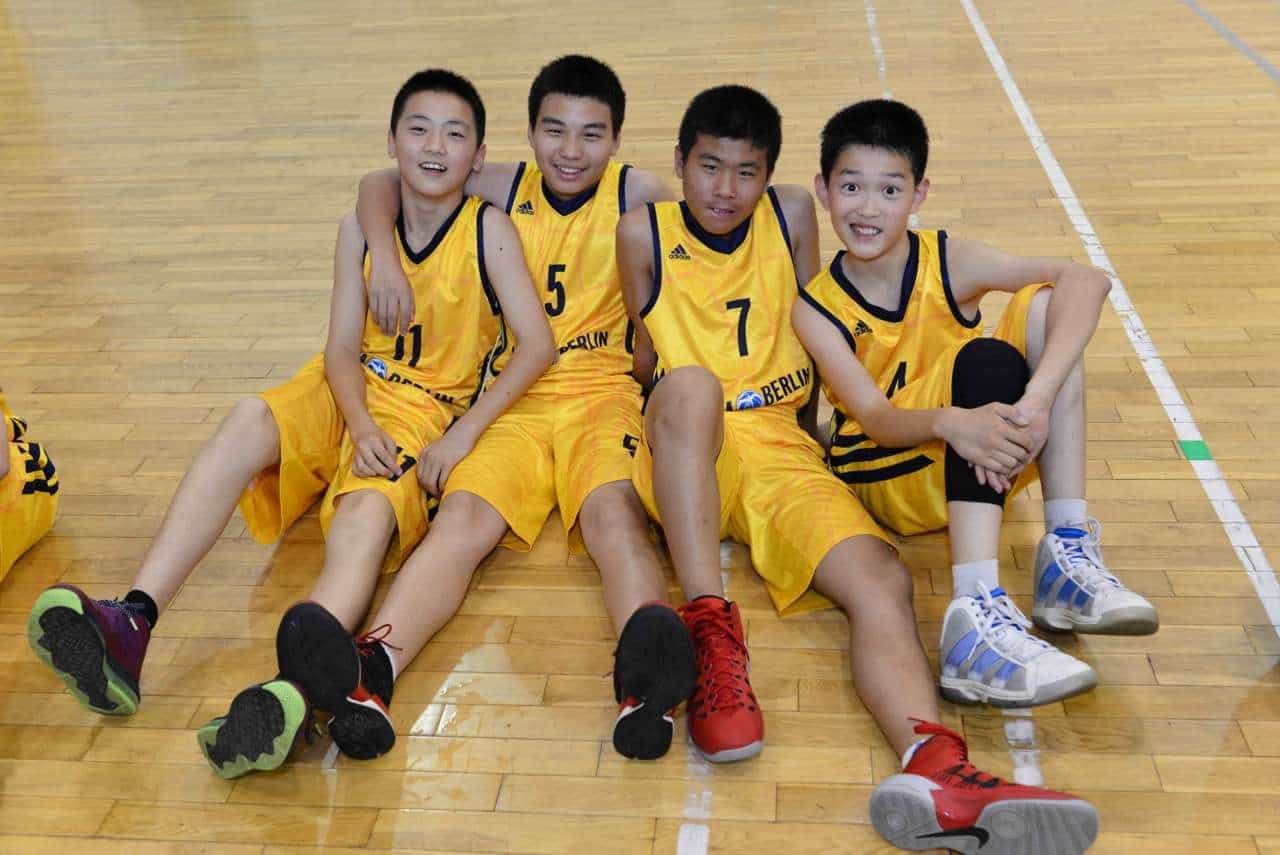
Despite the academic pressure to perform well in Chinese schools, students do find moments of fun. Whether it’s basketball games after dinner, club activities on Tuesdays, or simply chatting with friends during breaks, there’s still room for friendship, laughter, and self-expression. But make no mistake, studying always comes first!
What About Chinese University Students?
You might expect things to slow down after high school, and in some ways, they do. But Chinese university life still follows a packed schedule.
Classes and Credits
Depending on their course load, most university students start their days with classes at 8:00 AM and end up finishing as late as 9:00 PM. Each subject has one to two weekly classes that count toward two to five credits toward graduation. As is typical in Chinese schools and universities, all students must take courses in political theory, ideology, and general education, as well as courses in innovation and physical education, in addition to major-specific courses.
Many classes also include group work, lab sessions, or even off-campus trips to museums and exhibitions.
Life Beyond the Lecture Hall
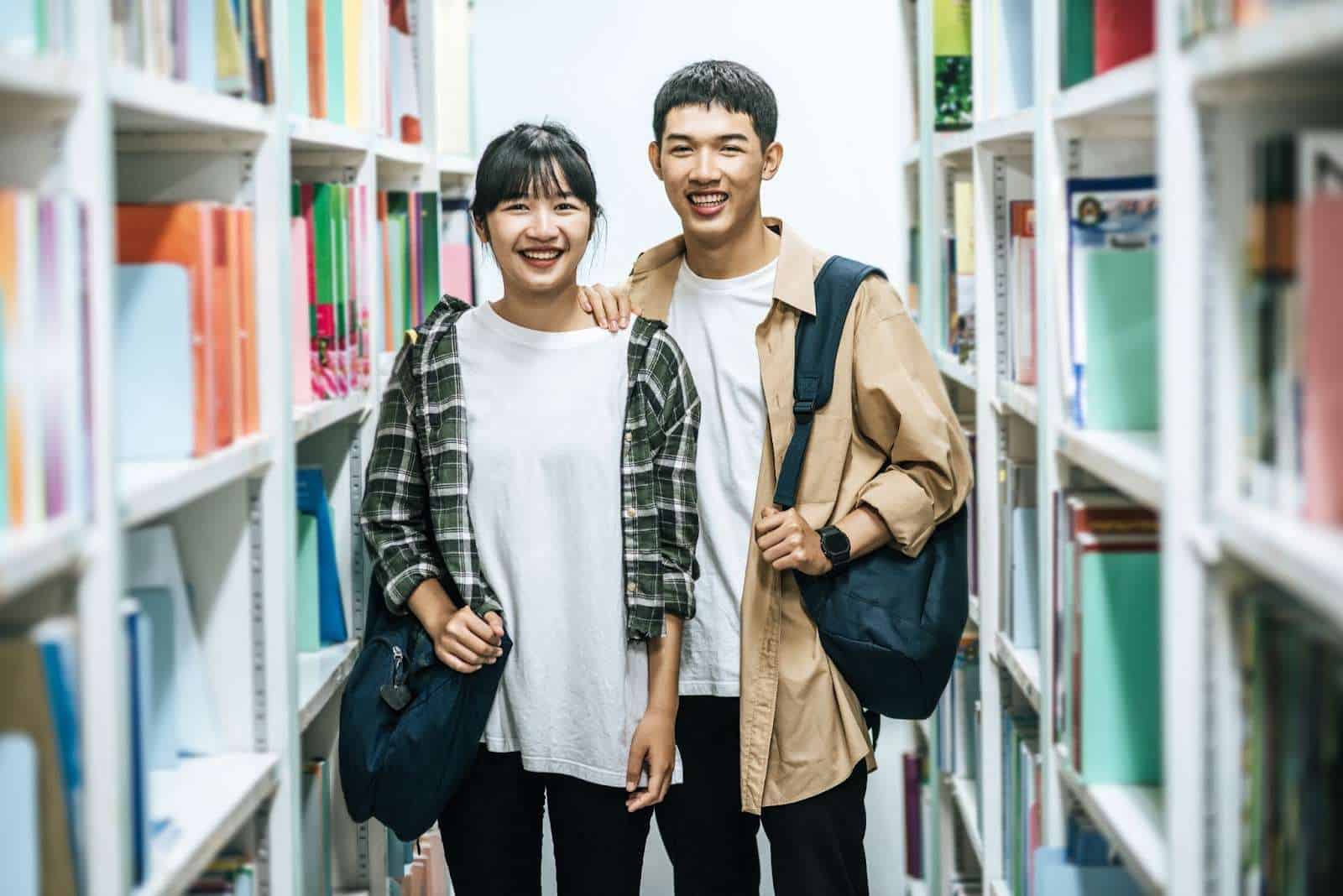
University students in China have far more freedom and flexibility than their high school counterparts. They can choose from a variety of student organizations, sports clubs, and campus events. From traditional Mid-Autumn Festival celebrations to murder mystery games, student life at Chinese schools and universities is full of opportunities to socialize and pursue hobbies.
Physical education is a major part of campus life, and students can take part in traditional Chinese sports, join field days, or even perform in school ceremonies. Volunteering, cultural festivals, art competitions, and weekend concerts are all part of the experience.
University takeaway: Students have more freedom, more variety, and a lot more fun, but the academic schedule is still demanding.
Why Are Chinese School Days So Long?
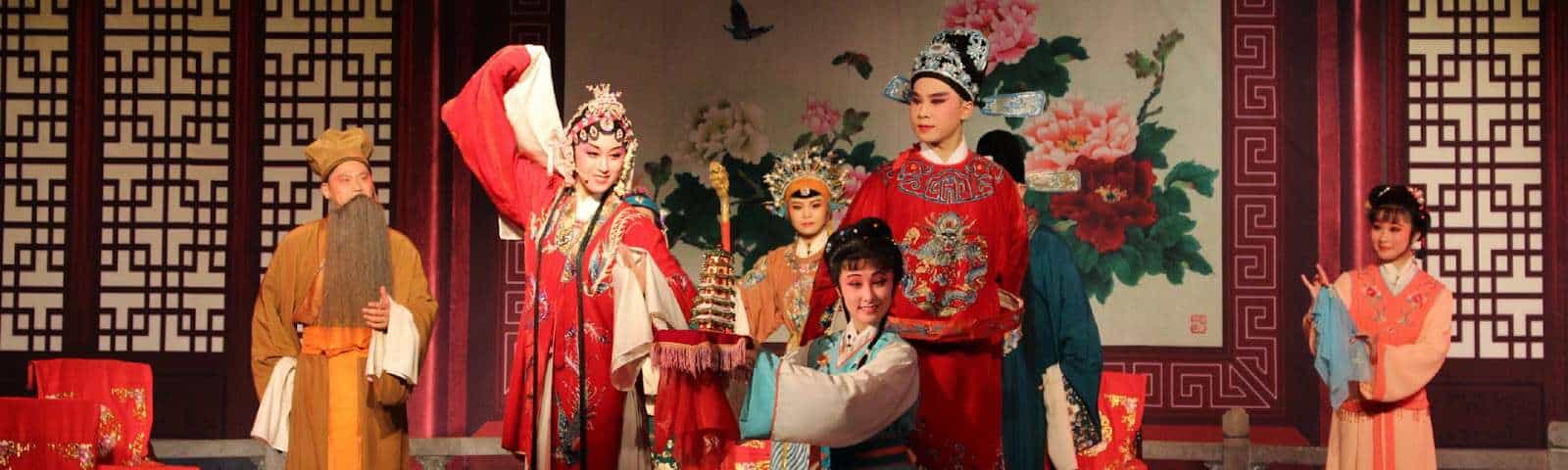
The length of the school day in Chinese schools reflects the nation’s strong commitment to education. Under the influence of Confucian principles, academic success is viewed as a means of honoring one’s family and society in addition to being a personal goal.
With a heavy emphasis on math, science, literacy, and moral development, Chinese schools place a high value on discipline and hard work. From primary schoolers memorizing characters to teenagers grinding for Gaokao success, students are immersed in a culture where education is the key to opportunity.
Final Thoughts: Long Days, Big Ambitions
So, how long is a Chinese school day?
- Primary school: ~8:00 AM to 3:30–4:00 PM
- Middle & high school: Often 7:30 AM to 9:00 PM
- University: Flexible, but packed days from 8:00 AM to evening classes
The structure may seem intense, but it’s built on a cultural belief in the power of education. Students in Chinese schools are taught to work hard, aim high, and get ready for the challenges that lie ahead from an early age.
Whether you’re planning to study in China or just curious about daily life there, understanding the rhythm of the school day opens a window into what makes Chinese schools so unique, and so demanding.
Related Articles