
Education Path in China: From Primary School to College
No nation in the world emphasizes education more than China. From the first day of primary school in China to the end of college, educators plan each stage. Clear expectations exist to help students get ready for the next step.
The China school system provides students with a roadmap for academic progress and future opportunities. To understand modern China, you should explore the classrooms where millions of futures take shape.
Overview of the China School System
In China, education is divided into three categories:
- Basic education (primary and secondary)
- Higher education (tertiary)
- Adult education
By law, every child must finish nine years of required education. This includes six years of primary school and three years of junior secondary school. The school divides the academic year into two semesters: September-January and February-July.
| Education | Level | Intended Ages | Years | Notes |
| Primary | Primary School | 6–12 | 6 | Compulsory by law |
| Secondary | Junior Secondary School | 12–15 | 3 | Compulsory by law |
| Secondary | Senior Secondary School | 15–18 | 3 | Students may enter academic (gaozhong 高中) or vocational (zhongzhuan 中专) tracks |
| Tertiary | Short Cycle (zhuanke 专科) | 18–20 | 3 | Vocational or technical programs |
| Tertiary | Bachelor’s Degrees | 18–22 | 4 | Standard university programs |
| Tertiary | Master’s Degrees | 22–24 | 2 | Candidates generally under 35 years old |
| Tertiary | Doctoral Degrees | 24–27 | 3 | Some pursue combined master’s/doctoral (shuobo liandu 硕博连读) programs |
Basic Education
Basic education in China consists of primary, junior secondary, and senior secondary schooling.
Primary School
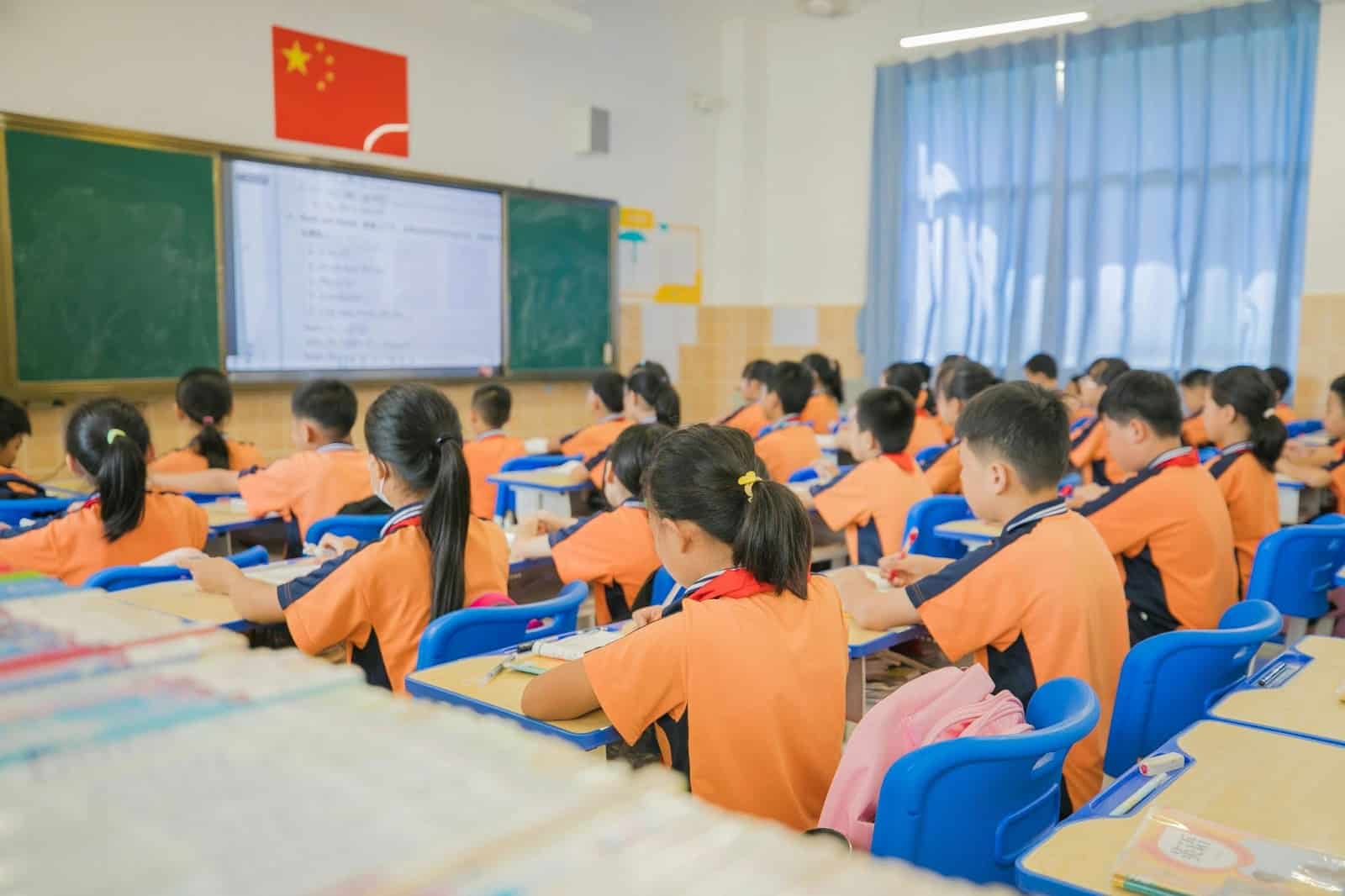
Primary school in China is compulsory and lasts six years. The school year usually runs from September to July, divided into two semesters. Students study nine core subjects:
- Chinese
- Mathematics
- Social Studies
- Science
- Ideology and Morality
- Music
- Fine Arts
- Labor Studies
- Physical Education
Foreign languages like English are often introduced as electives. To finish primary school, students must pass entrance exams in Chinese and Math. The school administers these exams with local authority supervision.
Junior Secondary School
After primary school, students enter junior secondary education (chuzhong 初中). Graduation requires passing standardized entrance exams and meeting physical fitness requirements. Key subjects include Chinese, Mathematics, Science, Foreign Language, and Politics. Completing this stage concludes China’s nine-year compulsory education.
Senior Secondary School
After junior secondary, students take the zhongkao (中考). This local exam decides if they go to academic or vocational senior schools.
- Academic schools prepare students for university.
- Vocational schools train skilled workers and technicians for industries.
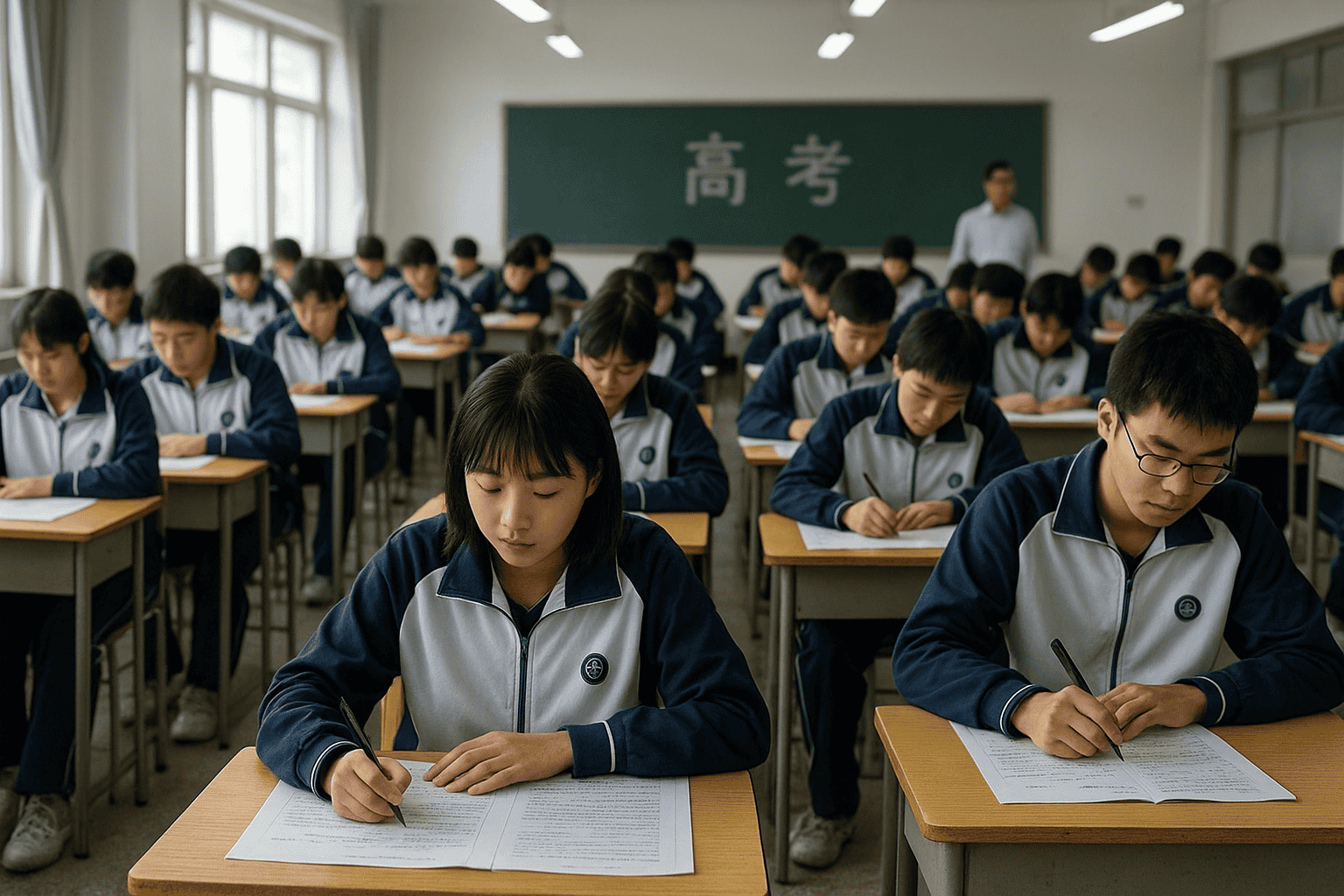
At the end of high school, students who want to attend university in China must take an exam. People call this exam the National Higher Education Entrance Examination, or gaokao (高考). The result of this test determines whether or not students can get into top universities in China.
Schools can also directly recommend top performing students to a top university. They call this process baosong (保送) and it allows them to skip the entrance exams.
Chinese Higher Education System
China divides higher education into two main categories: universities and colleges.
Universities
- These institutions give out academic degrees like bachelor’s, master’s, and doctoral degrees. They also offer many programs in areas like science, technology, humanities, and business. They are the first choice for students pursuing advanced degrees or research careers.
Colleges (Short-Cycle Colleges or Zhuanke 专科)
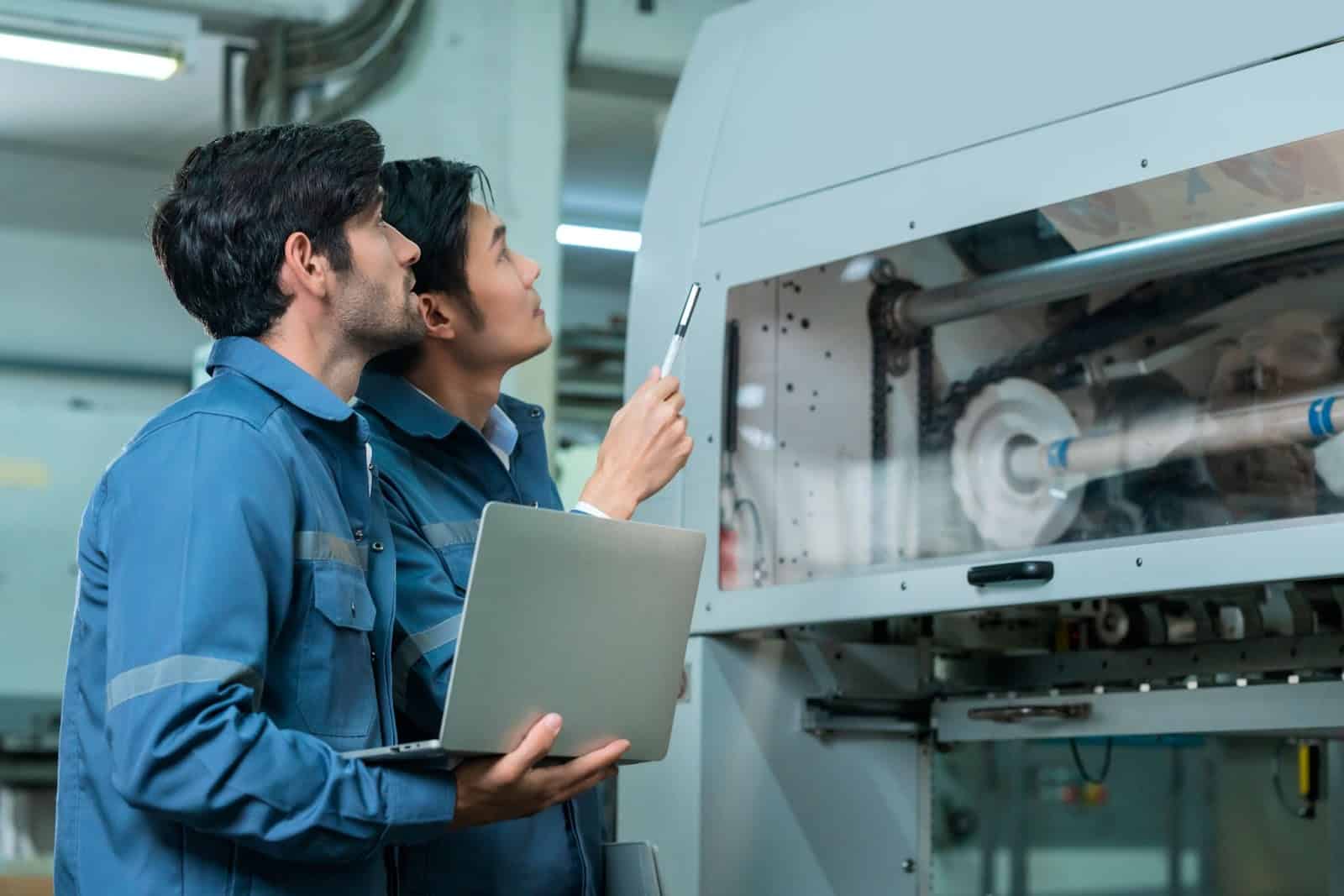
- Colleges, also known as short-cycle colleges, provide two- to three-year programs focused on technical and vocational training. These programs are important for training skilled workers in high-demand areas like science and technology.
- Graduates from short-cycle colleges can take upgrading programs in China to earn a bachelor’s degree. However, this is only available in certain majors. Vocational education in China quickly adjusts to the job market. Their programs change often to help students gain important skills.
In recent years, the Ministry of Education has added over 40 new vocational programs. These include majors in electronic information materials, aerospace composite materials, and precision manufacturing. This move strengthens China’s reputation for innovation in science and technology.
Adult Education in China
Adult education in China allows individuals to continue learning regardless of age or background. It provides flexible, distance learning options and short-term, part-time programs for adults balancing work and family life.
- At the primary level, Workers’ and Peasants’ Primary Schools focus on literacy improvement, especially in rural areas.
- At the secondary level, radio/TV schools, in-service teacher training, and specialized vocational schools support working adults.
- Adults can attend open universities, correspondence colleges, and training institutes. These places often offer two- to three-year programs. They focus on practical skills and job-related training.
Adult education helps China improve its workforce and enrollment rate. It supports the country’s goal of lifelong learning. This aligns with China’s focus on ongoing personal and professional growth.
Foreign Students in China
Foreign students can enroll in primary and high schools in China. However, it is hard to find schools that teach in English. Tuition fees for Chinese language programs are generally lower compared to those for English-taught programs.
Tuition Fees for Foreign Students in Primary and Secondary Schools:
- For schools that teach in Chinese, fees for foreign students in primary and secondary schools range from ¥10,000 to ¥50,000 each year. The cost depends on the school and its location.
- For English-taught programs: Fees range from ¥30,000 to ¥70,000 per year.
The options for English-taught programs are limited and typically more expensive. You can find these schools in major cities like Beijing, Shanghai, and Guangzhou.
Cost of Studying in China for Higher Education
The tuition fees in China vary between local students and foreign students.
Tuition Fees for Local Students:
- For local students, tuition fees for universities typically range between ¥5,000 and ¥15,000 per year for undergraduate programs. Fees for postgraduate programs usually range from ¥10,000 to ¥30,000 per year, depending on the university and program.
Tuition Fees for Foreign Students:
- For foreign students, tuition fees at Chinese universities range between ¥20,000 and ¥40,000 per year for undergraduate programs. Master’s programs cost between ¥25,000 and ¥50,000 per year, while doctoral programs range from ¥30,000 to ¥60,000 per year.
- Additionally, the best universities in China may have higher fees for foreign students, especially for programs taught in English.
Chinese language programs for foreign students are often less expensive. Tuition fees for language programs usually range from ¥10,000 to ¥30,000 each year. The length of the program and its location determine this.
Conclusion
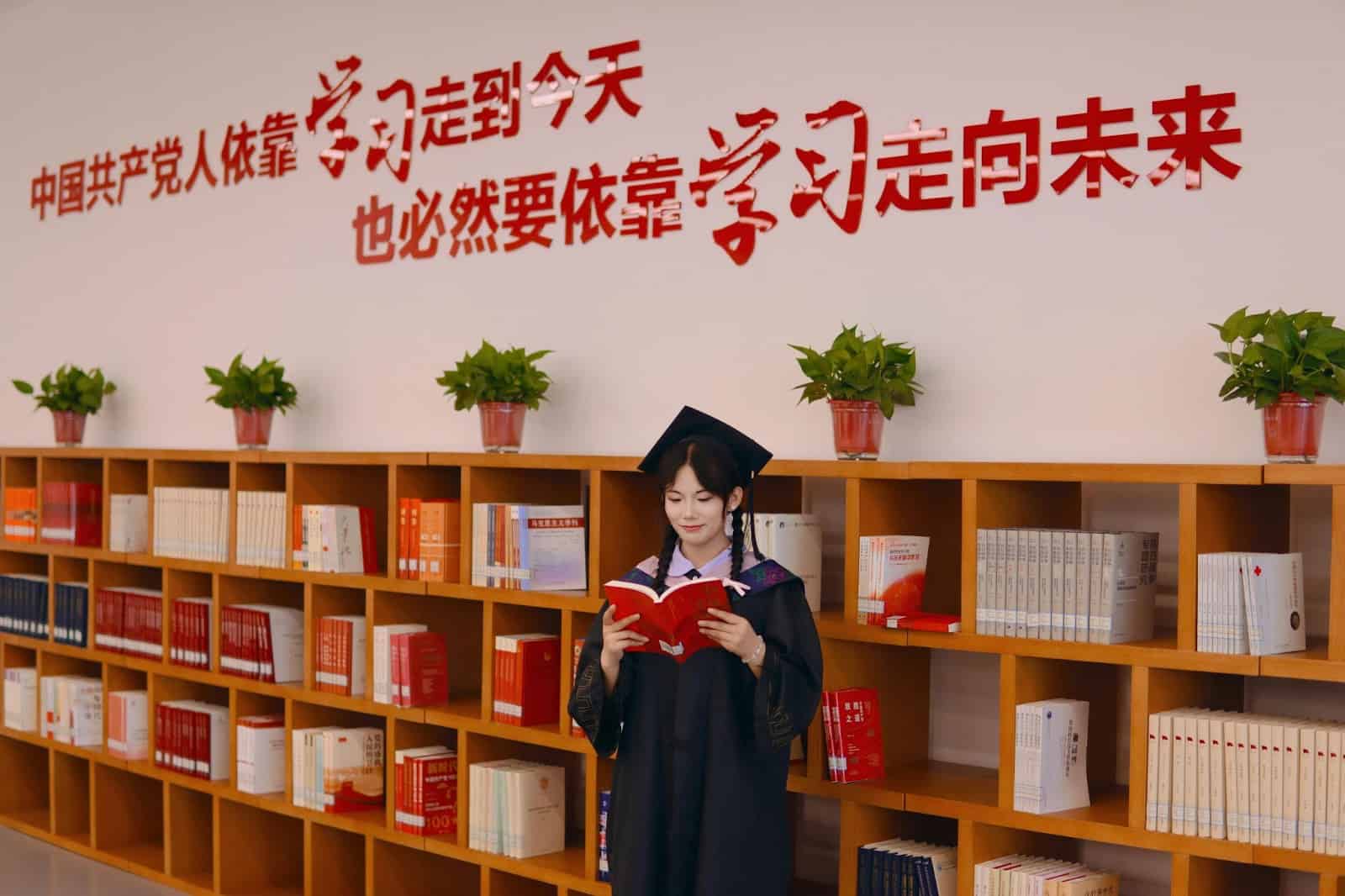
China’s education system is a comprehensive structure that guides students from childhood to adulthood, offering multiple pathways toward diverse career options. From compulsory primary education to specialized higher learning and flexible adult programs, it reflects China’s commitment to lifelong learning and the important role attached to education in national progress. With such a system in place, it is no wonder that China has been able to develop so rapidly, as education continues to cultivate outstanding and specialized talent.
Start Your Journey to Study in China Today
Choosing to study in China is a life-changing decision that opens the door to world-class education, cultural diversity, and exciting global opportunities. Whether you’re researching top China universities or preparing your China university application, having a trusted partner can make all the difference.
At ApplyForChina, we make the process simple and stress-free. From finding the right university to submitting your application, we’re here to support you every step of the way.