
Is studying in China a good idea? Compared to Western Countries
For much of modern history, the ultimate dream for many people was to study in the West, particularly the United States. Chinese reform leader Deng Xiaoping arguably initiated this trend in 1978 with a famous phone call. U.S. President Jimmy Carter suddenly received a phone call at three in the morning and thought there’d been trouble when he was told that it was Deng. Instead, Deng told Jimmy Carter he wanted to send 5,000 Chinese students to America. Carter, half asleep, responded with: “send 100,000,” setting the stage for an exchange of knowledge that has helped China become the economic superpower it is today. By 2019, that number had exploded to over 360,000 Chinese students in the U.S., making up the biggest proportion of international students in the world.
Today, the story is changing. Political tensions, the COVID-19 pandemic, and rising costs in the West have created uncertainty for foreign students. On the other hand, China has transformed from being a sender of students into a destination itself. For aspiring international students, the landscape of studying abroad now looks very different. Many international students now find themselves deciding between the West and China, each offering their own sets of opportunities and challenges.
Opportunities in China
1. Jobs and Business Opportunities in a Growing Economy
China is the world’s second-largest economy, and its rapid expansion has created a thriving job market, both for locals and international students. In Beijing’s Zhongguancun, also known as China’s Silicon Valley, global companies and start-ups spring up like mushrooms. These companies seek talent from nearby universities like Tsinghua or Peking University, especially in sectors like AI and fintech. In Shanghai, Tesla’s Gigafactory and financial headquarters of HSBC and Apple allow students at universities like Fudan and Jiao Tong to gain internships that feed directly into jobs.
With China’s Belt and Road Initiative (BRI) international students from Africa or Southeast Asia, for instance, also gain access to numerous opportunities in infrastructure projects and logistics chains connecting their home countries to China.
In the current political climate, Western countries, namely the U.S. or the U.K., have made post-study work visas restrictive. China, on the other hand, has loosened rules to allow more foreign graduates to stay and work all across the country. Employers in China often value graduates from local universities for their familiarity with China’s business culture and industry nuances, positioning international students who studied in China at a job market with growing demand.
2. Academic Excellence and Global Recognition
In recent years, Chinese universities have moved to the top tier of global education. At the 2024 QS World University Rankings, Tsinghua University and Peking University were ranked 25th and 17th respectively. Chinese universities also surpass the rankings of Western institutions in specialized fields. For example, Shanghai Jiao Tong University is highly ranked in engineering programs, while Fudan University has become a leader in public health research.
China also leads in scientific output. In 2022, Chinese university researchers produced the highest number of peer-reviewed science and engineering papers worldwide, surpassing the U.S. This is causing China’s degree qualifications to grow in global recognition.

3. Affordable Education and Safe Living
Cost is one of the biggest deterrents for studying in the West. Western universities are financially reliant on international students. At Cambridge University, for example, overseas students represent just 5% of the student body but contribute 10% of total fee income. At Harvard or Oxford, fees for international students can exceed $45,000 per year, while at Tsinghua University, annual tuition for an international undergraduate is around $4,000–$6,000.
Living costs also tell a similar story. The cost of living in China is much lower than in Western countries. A dorm room in Beijing or Shanghai costs around $150–$300 per month, while a flat share in London can easily exceed $1,000. Even meal prices are wildly different: a cafeteria lunch at Renmin University of China costs less than $3, compared to $10–15 in New York or Boston.
Safety is also a decisive factor. One of parents’ biggest considerations when sending their children abroad is student safety. Rising hate crimes against Asians in the U.S. and Australia have made parents weary to send their children to study there. Chinese cities, on the other hand, have relatively low violent crime rates. Combine that with 24-hour public transportation networks in all major cities, student life has never been more convenient compared to some Western cities where safety concerns are greater.
Read our article on the living cost for international students in China and the safety of studying in China to learn more about the living environment for international students!

4. Scholarships and Financial Support
China is very generous with scholarships. The Chinese Government Scholarship (CSC), for example, covers full tuition, housing, medical insurance, and provides a monthly stipend of ¥3,000–3,500 RMB ($400–500). Many provincial governments also offer their own scholarship programs, alongside field or region-specific opportunities such as the Confucius Institute Scholarship for teachers or scholarships targeted at Belt and Road countries. Together, these provide students with many scholarship options. No matter your background or nationality, there is likely a scholarship available for talented students, making education in China nearly cost-free for those who qualify.
In addition, many universities like Zhejiang University, Fudan University, and Nanjing University also offer their own merit-based scholarships. Even if students don’t initially qualify for a scholarship, strong academic performance can make them eligible to apply for merit-based aid in subsequent semesters.
Compared to the often limited scholarships available in Western countries., these programs make China far more financially accessible.
Read our 2025 guide on Chinese University Scholarships to learn more!
Challenges of Studying in China
- Language Barrier: While there are many programs taught in English, proficiency in Mandarin is still important for daily life and most job opportunities. Students usually must take at least one year of language courses.
- Cultural Adjustment: Classroom discussions, especially in political majors in China may feel more constrained or censored compared to the West. Students from open academic environments will need time to adapt. Other than that, if you come from non-Asian countries, you may also experience culture shock.
- Global Degree Recognition: While degrees from top universities like Peking, Tsinghua, and Fudan have global prestige, lesser-known institutions may not have the same recognition abroad. You must carefully select universities according to your future job aspirations.
- Digital Environment: Access to certain Western websites and platforms is restricted in China. You can download VPNs or take advantage of China’s internal systems (e.g., Alibaba’s education link to British universities), students must adapt to a different digital landscape.
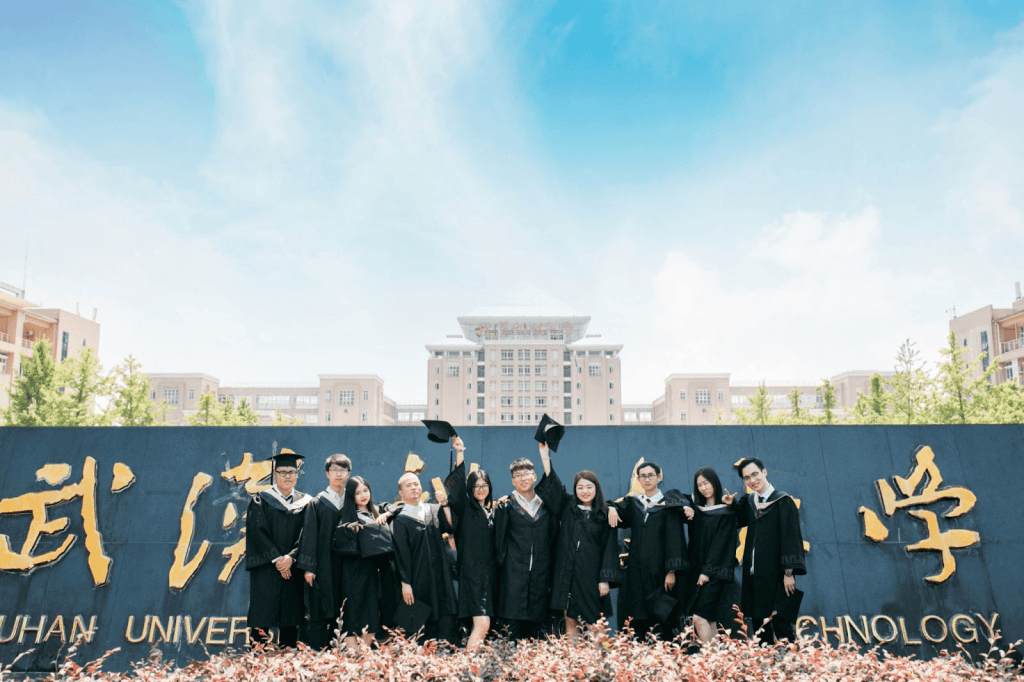
Why China is Becoming a First Choice
The benefits of studying in China heavily outweigh the challenges. With the combination of a growing job prospect, academic excellence, affordability, and safety, China has become a very attractive alternative to Western education.
The pandemic has also accelerated the growing popularity of Chinese universities. The chaotic handling of COVID-19 in the U.S. and Europe shook the confidence of many potential foreign students. Border closures in Australia and visa restrictions in the U.S. during these times further discouraged students. In contrast, Chinese campuses reopened earlier, and the government used this moment to promote its universities as safer, cheaper, and competitive alternatives.
At the same time, Asia’s job markets are booming. Singapore, Hong Kong, and China are attracting multinational companies at scale, creating more demand for local talent. Employers actively look for graduates who understand Asian markets, languages, and industry nuances, which is something you will get when studying abroad in China.
Conclusion
Western universities still hold prestige and long-established reputations, but they face rising costs and an uncertain job market in the current political climate. China, meanwhile, offers a combination of world-class universities, lower costs, safer cities, and generous scholarships.
For today’s international students, whether from Asia, Africa, or beyond, China is not just a plan B to the West. It is a strategic choice in securing a bright and successful future.
Start Your Journey to Study in China Today
Choosing to study in China is a life-changing decision that opens the door to world-class education, cultural diversity, and exciting global opportunities. Whether you’re researching top China universities or preparing your China university application, having a trusted partner can make all the difference.
At ApplyForChina, we make the process simple and stress-free. From finding the right university to submitting your application, we’re here to support you every step of the way