
What is the main Religion in china?
What ‘Religion’ Means in China
When we think of “religion,” we often picture something that explains the creation and purpose of the universe, define what’s sacred, and connects people to what they see as holy and absolute. This is the common English-language understanding.
But in China, things are a little different.
The closest translation to the word “religion” in Chinese is zōngjiào (宗教), which is closer to the terms shūkyō in Japanese or jonggyo in Korean, which refers specifically to organized religions with formal institutions and professional clergy.
Here’s where the difference lies: many of the practices that Westerners would describe as “religion” don’t fall under zōngjiào in China. Instead, they’re often seen as customs (xísú 习俗) or superstitions (míxìn 迷信).
That doesn’t mean religious practices don’t exist in China. Far from it. Millions of people visit temples, burn incense, or pray to Buddhist or Taoist deities. But only about 10% of the population formally identify as a member of a religion.

What is the main religion in China?
The government recognizes five religions: Taoism, Buddhism, Islam, Catholicism and Protestantism.
Among them, Buddhism is the most widespread religion in China.Buddhism made its way to China from India through the Great Silk Road in the II century BC. Buddhism is mostly practised in Tibet and Inner Mongolia. According to the World Religion Database, about 16.6% percent of the population are Buddhists, and today, China has around 9,500 Buddhist temples and monasteries.
Islam is also widely practiced, especially in the Xinjiang Uygur Autonomous Regions, where 95% of the population are Muslims. China is also home to a large population of Christians, both Catholics and Protestants. In the 19th century, after Deng Xiaoping opened China, missionaries from Europe flock to spread the gospel. Today, there are about 12 million Christians in China.
Although originating in China, Taoism has the least number of official members.Taoism is a traditional Chinese teaching on “the way of things”, combining elements of religion and philosophy. Taoism has a history of nearly 1,700 years, formed by several ancient Chinese philosophers. As of today, China has about 1,500 Taoist temples and monasteries with 25,000 monks and nuns.
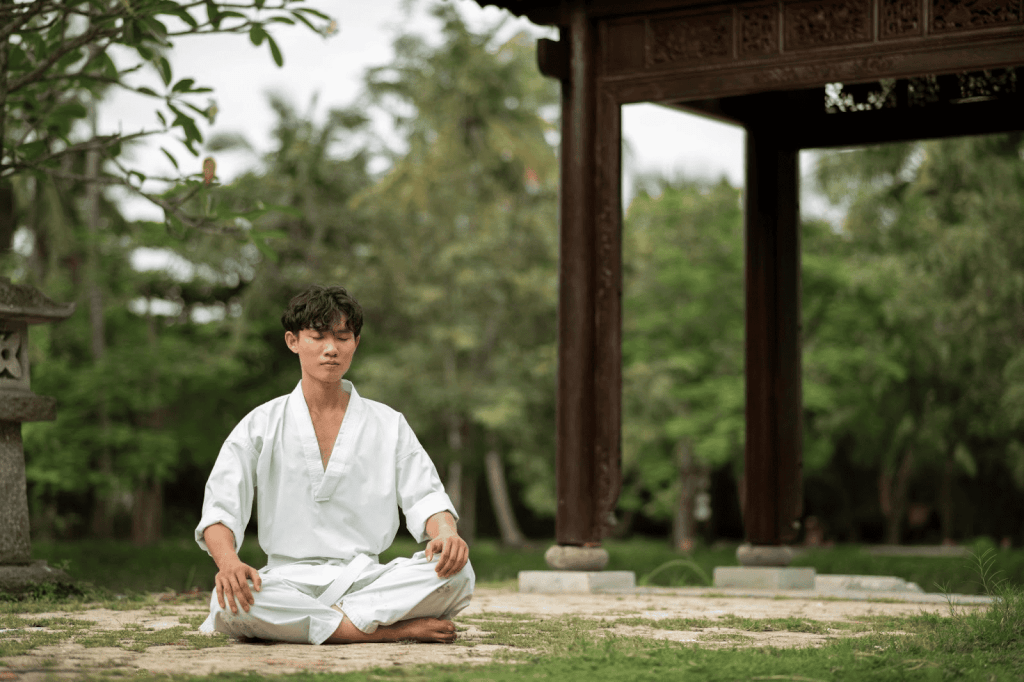
How Religion is Practiced in China
Even without a formal zongjiao affiliation, many cultural rituals and customs with religious or spiritual dimensions are widely practiced.
Gravesite Visits
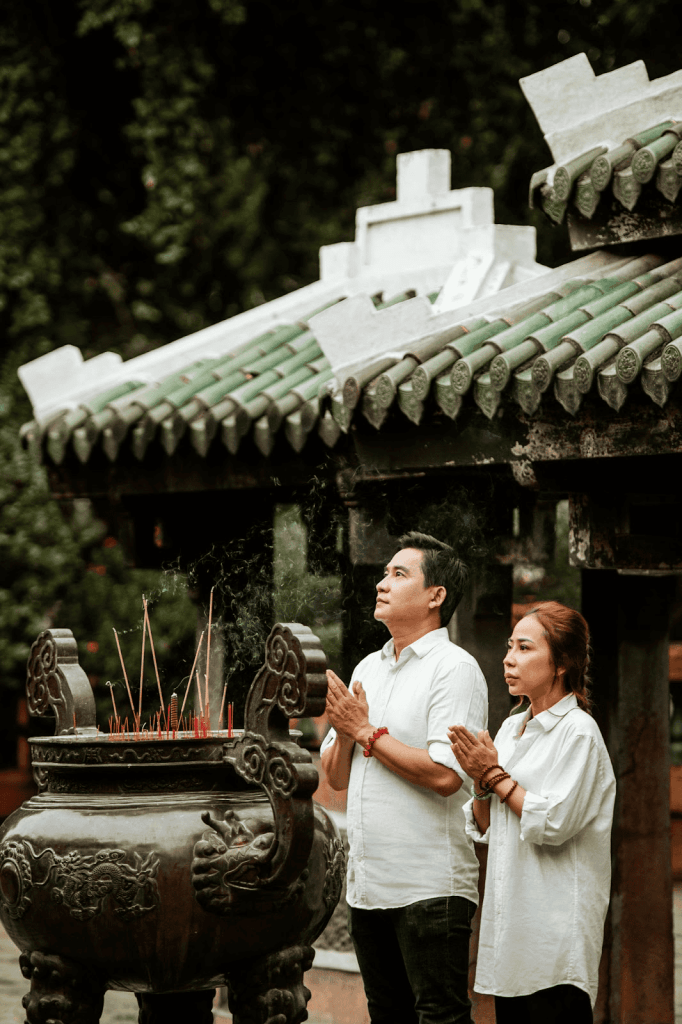
Most Chinese people visit a family member’s gravesite at least once a year, especially on the Qingming Festival (Qingming Jie 清明节) or Tomb Sweeping Day. On this day, people burn incense and “spirit money”, and make offerings of food and drink.
Fengshui (风水)
About 47% of Chinese believe in fengshui, which is a practice of arranging objects to create harmony between humans and the environment. People who do fengshui don’t really think of it as a religious practice even though it has roots in Taoism.
Some Chinese people also consult fengshui experts to select “auspicious days” for important days such as weddings or moving to a new home.
Praying for Good Fortune
Although much less common, Chinese people also visit temples or shrines to pray for wealth or good fortune. Some people go to pray when there are important exams or business meetings coming up. It is also quite common to see a Chinese person carry a lucky charm or jade amulets from temples to bring them good luck or keep them safe.
Can You Practice Religion in China?
Yes, you definitely can! Freedom of religious beliefs is guaranteed by the government, but it is important to know how it works in practice. Houses of worship and religious gatherings are closely monitored, and there are rules about where and how you can participate.
As mentioned earlier, the government formally recognizes five religions: Taoism, Buddhism, Islam, Catholicism and Protestantism. If you follow one of these, you’ll easily find state-approved places of worship where you can join services. However, the practice of other faiths isn’t officially permitted, and religious activities are only allowed in registered temples, mosques, and churches. You’re also not allowed to openly preach or promote religion in public spaces.
That said, this doesn’t mean you’re limited in living out your faith! There are plenty of ways for you to continue to practice your beliefs within the system. For example:
- In big cities like Beijing and Shanghai, you’ll be able to find English-speaking churches where international communities gather for Sunday services.
- If you’re Muslim, many university cafeterias offer halal food. You’ll even find a lot of lāmiàn (拉面) noodle shops that are Muslim-owned and serve halal dishes.
- Buddhist and Taoist temples across the country are always open to anyone who’d like to burn incense, make offerings, or simply go to pray and quietly reflect.
- During major religious holidays like Ramadan or Christmas, you will also find state-sanctioned gatherings or events within local communities.
So yes, the practice of religion in China looks a little different from what you’re used to elsewhere, but there are still plenty of opportunities for you to connect with your beliefs, especially in larger cities and within officially recognized faiths.
In conclusion, while China’s approach to religion may differ from Western norms, there are still many opportunities to engage with spiritual practices and communities, especially within the five government-recognized religions. For students or professionals planning to Study in China or Work in China, understanding these cultural and religious nuances can help ease adaptation and enrich your experience.