
How Chinese People Celebrate Birthdays
Birthdays in China connect deeply to ideas of longevity, fate, luck, family hierarchy, and cosmic timing.
Globalization has made Western-style birthday parties more common, influenced by western cultural norms and the popularity of birthday cake. However, Chinese birthday celebrations rooted in Chinese tradition still follow unique customs. These customs can feel surprising or confusing to outsiders and even to Chinese friends raised in different regions.
In Chinese culture, celebrating the wrong way can even be considered bad luck. From skipping certain ages to eating noodles without breaking them, every detail carries symbolic meaning meant for warding off evil and protecting one’s fortune.
This article explains how birthdays are celebrated in China, why certain traditions exist, and what you should know if you’re celebrating with Chinese family or friends, including how to say happy birthday in China appropriately.
Birthdays in China Are About Life Stages, Not Every Year
In China, birthdays are not equally important at every age.
Traditionally, Chinese people place far more emphasis on:
- Infants and young children, especially the birthday celebrant during early life milestones
- Milestone ages, especially 60 and 80
- Elderly family members
For many adults, birthdays pass quietly with little or no celebration. This belief comes from old views that say each year of life brings new risks, and unnecessary celebration might bring bad luck or negative energy.
Why 60 and 80 Matter So Much
- 60 completes a full cycle of the zodiac sign system and Heavenly Stems
- 80 represents long life and blessings
- These ages are often celebrated with large family banquets, speeches, and Chinese birthday food focused on longevity
Fun fact: many people don’t celebrate birthdays at all until they reach 60, making these moments truly special occasions.
How Age Is Calculated in Chinese Culture
Age works differently in China and is calculated differently.
- A baby is considered one year old at birth
- Everyone gets one year older at lunar new year, not on their birthday
Because of this:
- A child’s “first birthday party” may actually happen when they are two years old
- People distinguish between:
- 虚岁 (xū suì) – nominal age
- 周岁 (zhōu suì) – actual age in full years

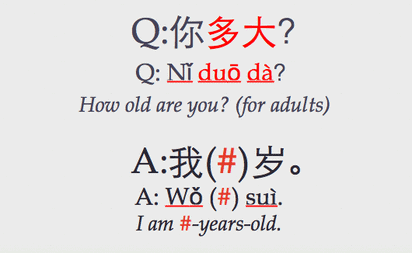
A Polite Way to Ask a Chinese Person’s Age
Instead of asking directly, it’s common to ask:
- “What is your zodiac sign?”
Zodiac animals change every 12 years. This helps people guess age without being rude, which is important when talking to elders and when learning how to ask when is your birthday in Chinese language etiquette.
Baby’s First Birthday: 抓周 (Zhuā Zhōu)
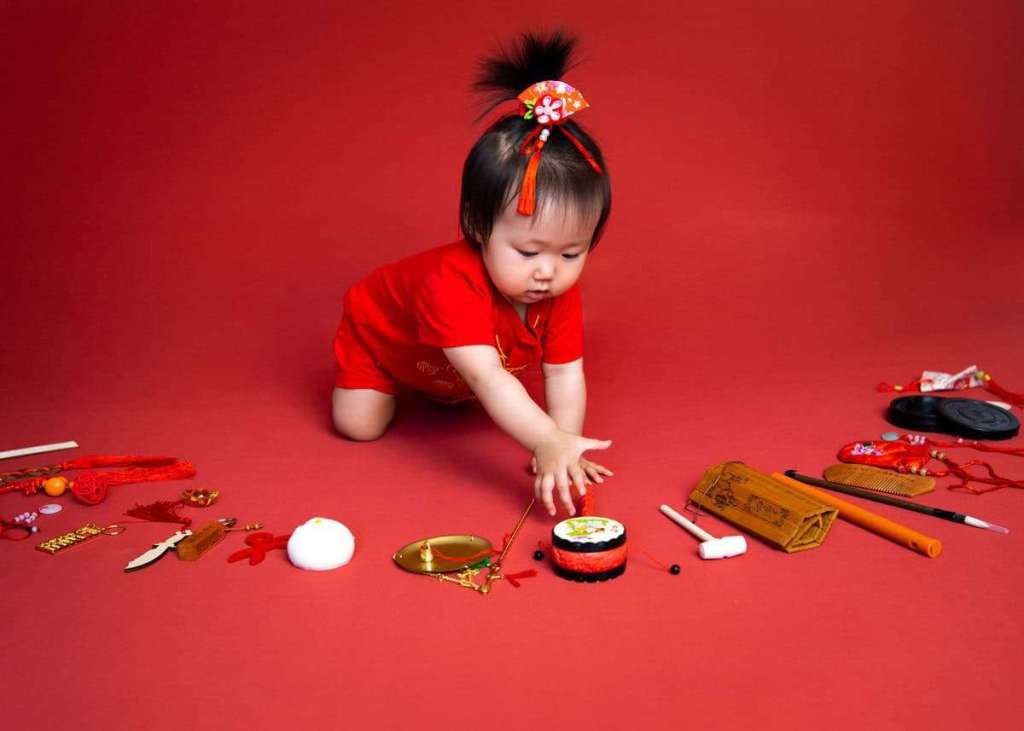
The most famous Chinese birthday ritual, 抓周, takes place for babies around their first year and is one of the earliest birthday celebration in China traditions.
What Happens During 抓周
- Various objects are placed in front of the child
- The baby freely grabs one item
- The chosen object symbolically predicts the child’s future
Common Objects and Meanings
- Pen or paper → writer, scholar
- Money or abacus → business, finance
- Paintbrush → artist
- Musical instrument → musician
- Modern items like cameras or computer mice → photographer, engineer
Some families also use homophones:
- Scallions (葱) because it sounds like “smart”
- Garlic (蒜) because it sounds like “calculation”
This ritual is playful, symbolic, and full of well-wishes rather than literal belief, and it remains common even in modern Chinese birthday celebrations.
Chinese Birthday Food and Its Symbolism
Food is central to Chinese birthday celebrations, and every item carries meaning rooted in luck and longevity.
Longevity Noodles (长寿面)
- Eaten on birthdays to symbolize long life
- Noodles must remain unbroken
- Cutting noodles is believed to shorten one’s lifespan
- Some regions serve a single extra-long noodle
This tradition dates back to the Tang dynasty, when noodles were considered a luxury reserved for special occasions.
Even today, family members who cannot attend the celebration may eat noodles elsewhere to symbolically share blessings and still celebrate your birthday from afar.
Red Eggs
- Hard-boiled eggs dyed red, also known as red egg
- Color red represents happiness and luck
- Peeling the egg symbolizes a fresh start
Birthday Banquets
- Especially for elders
- Often include dumplings, fish, and symbolic dishes
- Emphasize family unity and gratitude rather than individual attention

Why Chinese Wear Red on Birthdays
Red is the most auspicious color in Chinese culture and plays a major role in why Chinese wear red on birthdays.
It symbolizes:
- Happiness
- Prosperity
- Life energy
- Protection from bad luck
Wearing red on birthdays is believed to:
- Ward off negative energy
- Invite good fortune for the coming year
Colors to Avoid
- Black, white, and purple are associated with mourning and attend funeral customs
- Wearing them at birthday celebrations is considered bad feng shui
- Wearing green hats is also avoided due to negative cultural meanings
Chinese Birthday Gifts and Etiquette
Gift-giving is important in gifts in China, but what you give matters more than how much it costs.
Common Birthday Gifts
- Fruit baskets
- Tea or wine
- Useful household items
- Red envelopes with money (especially for children)
Gifts to Avoid
- Clocks or watches, linked to 送终 sòng zhōng
- Shoes, which sound like “evil”
- Candles, associated with death rituals
- Chrysanthemums, funeral flowers
- Sharp objects, which symbolize cutting relationships
These are considered taboo gifts in many regions.
Gift-Giving Etiquette
- The recipient may refuse the gift once or twice out of politeness
- Gifts are often not opened immediately
- Presentation and wrapping color matter greatly
Chinese Birthday Superstitions and Taboos
Chinese birthday superstitions include many rules meant to avoid bad luck and protect future fortune.
Timing Rules
- Birthdays should be celebrated on or before the actual date
- Belated celebrations are taboo
- Some feng shui beliefs prefer celebrating after, not before—regional differences exist
Skipped Birthdays
Certain ages are considered unlucky:
- Women: 30, 33, 66
- Men: 40
Common practices include:
- Staying the same age for another year
- Performing symbolic rituals like chopping meat to cast away bad spirits
- Keeping celebrations quiet or private
Candles and Cakes
- Traditionally avoided by adults
- Candles are associated with funerals
- Blowing out candles improperly is believed to affect health and luck
Frequently Asked Questions About Birthdays in China
How are birthdays celebrated in China?
People celebrate birthdays in China differently depending on age. Children and elderly people receive the most attention, while many adults do not celebrate every year. Traditional celebrations focus on longevity foods, family gatherings, and symbolic rituals rather than parties.
How do Chinese people wish happy birthdays?
The most common phrase is “生日快乐.” Learning happy birthday mandarin Chinese, happy birthday wishes in Chinese, or Chinese birthday greetings is common among learners.
Why do Chinese wear red on birthdays?
Red symbolizes luck, joy, and protection. People believe that wearing red on birthdays attracts positive energy and wards off bad luck for the coming year.
What is the most important birthday in China?
The 60th birthday is traditionally the most important, as it completes a full zodiac cycle. The 80th birthday is also widely celebrated as a symbol of long life and blessings.
Do Chinese people celebrate birthdays every year?
Not traditionally. Many adults skip birthdays, especially during unlucky years. Annual celebrations are becoming more common due to Western influence.
What food do people eat on Chinese birthdays?
Longevity noodles and red eggs are the most important foods. Banquets may also include dumplings and fish, especially for milestone birthdays.
Do some people in China believe certain birthdays should not be celebrated?
Yes. Some ages are seen as unlucky, and people may avoid celebrations or use special rituals to protect their fortune.
Start Your Journey to Study in China Today
Choosing to study in China is a life-changing decision that opens the door to world-class education, cultural diversity, and exciting global opportunities. Whether you’re researching top China universities or preparing your China university application, having a trusted partner can make all the difference.
At ApplyForChina, we make the process simple and stress-free. From finding the right university to submitting your application, we’re here to support you every step of the way.