
Is Studying in China Safe? Tips for Female Students Living Alone
Traveling solo to a foreign country to study, especially as a woman, can be a bit scary. As you prepare to study in China as an international student, a question that will come to both your and your family’s minds might be: “How safe is it to study in China?”
The short answer is: Yes, China is a very safe place for international students, including women. In fact, ask any female student here, and chances are they’re going to tell you they feel safer walking alone at night in China than in their home countries. However, no place in the world is 100% “safe,” so before beginning your academic journey in China, there are some things you need to know.
This article will break down what you can expect when studying in China, from campus security to emergency phone numbers, and give you tips to always feel secure during your study.
General Safety in China, is China Safe to Visit?
Surveillance and Police Presence
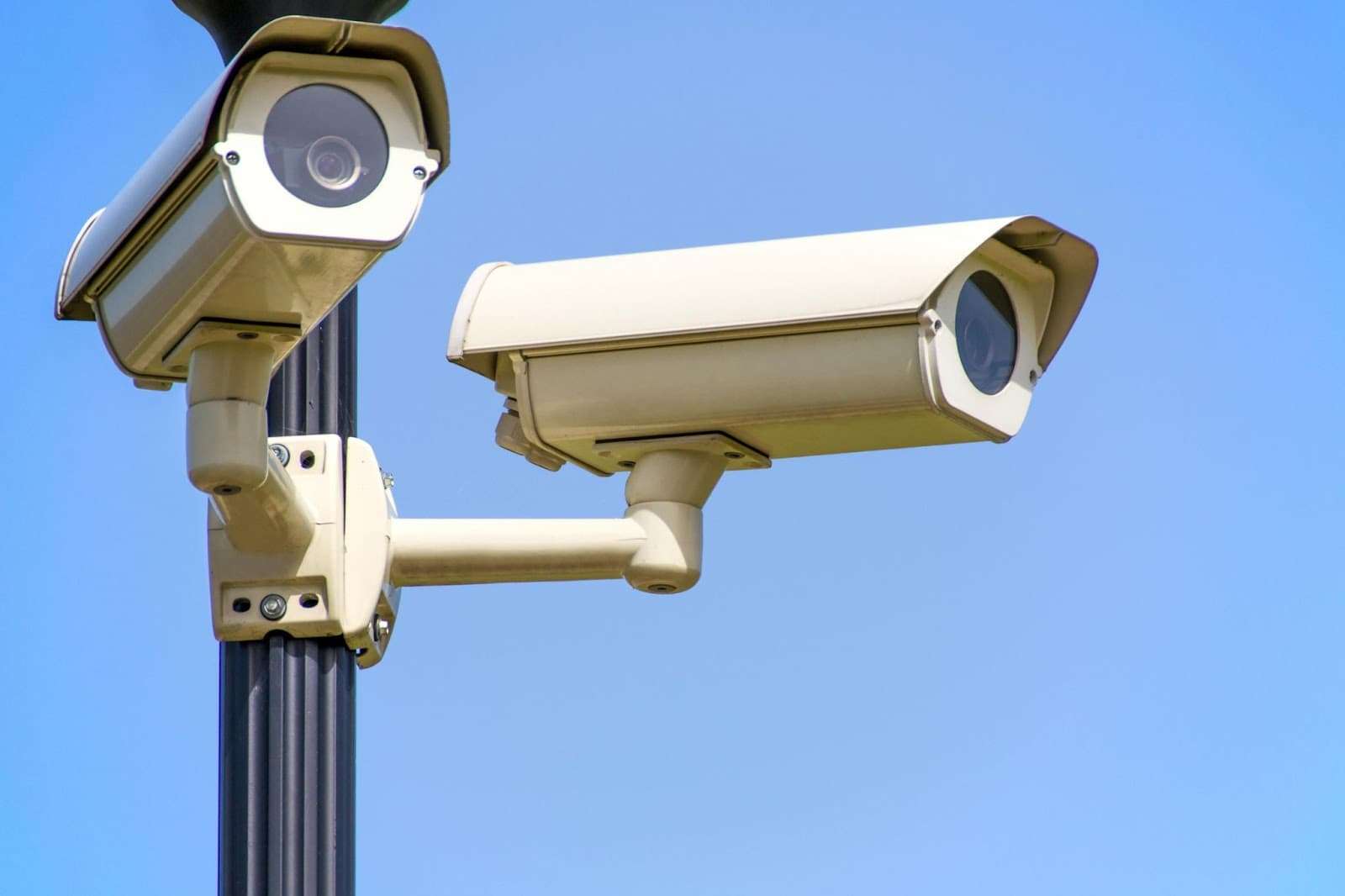
With an extensive CCTV network that covers every street, public transport, and university campuses, China is almost stupidly safe to visit. You can’t turn a corner here without spotting dozens of CCTV cameras. Some might say that the level of monitoring is over the top, but as a foreign student, you will probably find it reassuring. In fact, these CCTVs might be your best friend in some situations. Many students report the successful recovery of lost items thanks to CCTV.
Police officers and security guards can also be found everywhere, which makes public spaces feel safer.

Low Crime Rates
Violent crime in China is extremely rare, China’s official murder rate, for example, was 0.46 cases per 100,000 people, compared to 5.7 in the United States. Street crime rates are also low compared to many other countries. Petty theft, like pickpocketing, can happen in crowded tourist areas or on public transport, but it’s not an everyday concern. As long as you are always mindful of your belongings, there is nothing to be overly worried about.
Cultural Norms Around Women’s Safety
In Chinese cities, it’s common to see women walking alone late at night or using ride-hailing apps like Didi without feeling unsafe. Harassment, like catcalling, is not as common as in some other countries. If you happen to come from a Western country and look the part, you may find a lot of people staring at you. But rest assured, they are more curious than threatening. The worst thing that can happen is that you might get tired of locals asking to take a picture with you. If you don’t enjoy the celebrity treatment, just keep in mind that it’s okay to politely decline!
Safety on Campus
Student Support Services
Universities provide orientation sessions covering safety procedures and emergency contacts. Many also have an International Student Office that can help with safety concerns. If you ever find yourself in danger, the teachers from the International Student Office are only one text away, and they are always very happy to help you.
Controlled Access & CCTV
Most Chinese universities have gated entrances with security personnel. Dormitory buildings also require keycards and check-ins at the reception desk, and visitors will always need to register. Absolutely no stranger can enter as they please, so you can sleep easy at night!
Campuses are well-lit at night, and CCTV is installed in class buildings, dorms, and main walkways.
Living Alone as a Female Student
Apartment vs. Dormitory
If you choose to live off-campus, look for apartments in well-lit, populated areas, preferably near your university or a metro station. While it is generally safe to walk alone at night in China, you shouldn’t venture alone in the dark just because you can—it’s better to be safe than sorry!
Daily Life Safety
- Avoid walking alone in dark or isolated alleys late at night.
- Use Didi (China’s ride-hailing app) or registered taxis instead of unlicensed rides.
- Keep your valuables out of sight on public transport or in crowded markets.
Emergency Numbers
- Police: 110
- Fire: 119
- Ambulance: 120
The University’s Security System
On-Campus Incidents
If something happens on campus, you can report it to:
- Campus security office (often available 24/7)
- Your faculty’s International Student Office
- Local police station (they may have an English-speaking officer)
CCTV and Evidence
If you lose something valuable or suspect theft, campus and city police can check CCTV footage. Recovery rates here are extremely high compared to other countries. As long as you remember where you last placed your lost item, you are more than likely to find it.
Emergency Alerts
Once you enroll, your university will invite you to an international students group chat. Here they will send text notifications about any kind of safety hazards including typhoon warnings or public safety issues. They will also give you step-by-step rules to follow during these unsafe times. Make sure to follow their directions closely, and you will always be safe.

Tips for Staying Safe as a Female Student in China
- Learn Key Phrases: “不要 (bù yào)” means “no” or “I don’t want that” and is handy for declining unwanted attention or persistent salespeople.
- Keep Addresses Handy: Have your dorm or apartment address saved in both English and Chinese.
- Register with Your Embassy: Many embassies offer emergency assistance or alerts for their citizens abroad.
- Use Common Sense at Night: Avoid unlit areas, don’t leave drinks unattended, and let a friend know your location if you go out.
- Stay Informed: Follow your university’s WeChat group or bulletin board for announcements, and check local weather and safety news.
Does China Have Social Security?
Yes, China does have a “social security” system, but it works differently from social security in Western countries.
For Chinese Citizens
In China, the “social security” is called 社会保险 (shèhuì bǎoxiǎn, Social Insurance), and it includes six components (people sometimes refer to it the “five insurances and one housing fund” 五险一金):
- Pension Insurance (养老保险) – Provides retirement benefits.
- Medical Insurance (医疗保险) – Covers basic healthcare expenses, including hospital visits and medications.
- Unemployment Insurance (失业保险) – Financial support to people who lose their jobs.
- Work-Related Injury Insurance (工伤保险) – Provides medical care for job-related injuries.
- Maternity Insurance (生育保险) – Covers costs related to childbirth and maternity leave.
- Housing Provident Fund (住房公积金) – A mandatory savings program where both the employer and the employee contribute monthly, and employees can withdraw under certain conditions (like buying or renovating a home).
For International Students / Foreigners
- If you’re studying in China, you won’t be enrolled in full social security, but you will be required to purchase basic medical insurance for international students.
- If you’re working in China, many cities require foreign employees to participate in social insurance, though the exact rules vary by city and type of employment contract.

Final Thoughts
If you’re considering studying in China as a woman, rest assured that you will likely find it to be a safe and welcoming place to live and learn. The combination of low violent crime rates and cultural norms that allow women to move around independently makes China an appealing study-abroad destination.
That said, safety is never 100% guaranteed anywhere in the world. The key is to stay aware, know your resources, and take advantage of all the support networks you have both on and off campus. With these precautions in place, you can focus on your studies and travel in between classes without being anxious about your safety.