
What is the Cost of Living in China? Guide for International Students
Living in China
You may be wondering, is China cheap to visit? Is living in China expensive? And the truth is the cost of living and education here is affordable and worth it for many.
Studying in China has always been a dream for many, not just to study in top universities, but also to learn more about the rich culture, to try all the different foods, and to travel in one of the world’s most beautiful countries. What a lot of students don’t fully grasp before arriving, however, was the true cost of living.
Managing your own budget in a foreign country can be very tricky. If you’re planning to study in China, it’s important to know what your monthly expenses might look like. Knowing how and where to allocate your budget to every aspect of your life is essential to make sure that you can enjoy your time in China to the fullest. This article breaks down the living cost of a student in China, using Shanghai as the benchmark.
1. Rent and Housing in China
Let’s start with the biggest expense: rent.
Shanghai:
A shared apartment near major universities (for example Fudan University in Yangpu District) usually costs around 2,500 RMB per person per month. A single studio ranges between 3,500–5,000 RMB.
Apartments in places further away from the city center (like Jiading district) are usually cheaper, ranging from 2,000-4,000 RMB. Apartments with shared communal spaces (public kitchens and bathrooms) can go even cheaper, starting from 1,500 RMB.
University dormitories are always reliable and cost-effective, ranging from 1,000 to 2,000 RMB/month depending on the university, but they tend to be more crowded. You may want to consider renting your own apartment if you want flexibility and privacy.

Nanjing:
Prices are slightly lower than Shanghai, with shared apartments around 2,500–2,800 RMB and dorms generally within the 1,000–1,500 RMB range.

Chengdu:
More budget-friendly, with shared rentals averaging 2,000–2,500 RMB and dormitories available for 1,000–1,200 RMB.

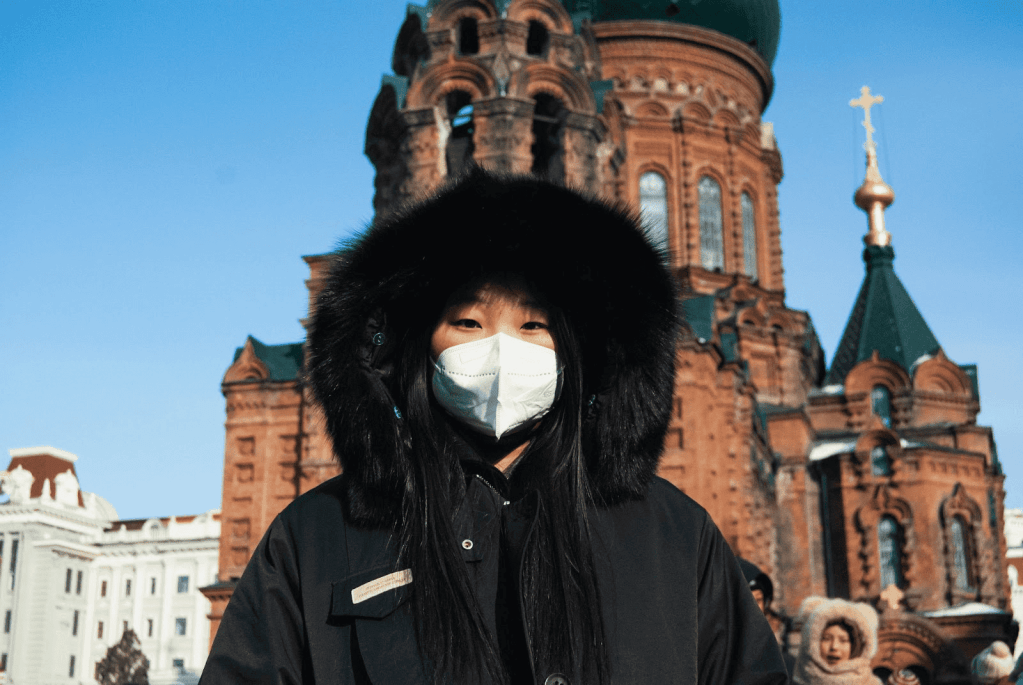
Harbin:
Significantly cheaper compared to the major southern cities. A similar shared flat may cost 1,800–2,200 RMB, and dorms can be as low as 800–1,000 RMB.
2. Food and Groceries in China
Eating in China is very affordable compared to many Western countries, especially if you stick to dorm food or local food.
- University canteen: 6–20 RMB
- Local meals at restaurants: 10–30 RMB
- Local mid-range restaurants: 50–100 RMB
- International food (pizza, burgers, Korean BBQ): 80–150 RMB
If you mostly eat at the cafeteria or cook at home, with the occasional eating out, the average food expenses are around 1,500–1,800 RMB.
Groceries are also reasonable:
- Eggs (a dozen): 10-15 RMB
- Rice (5kg): about 40 RMB
- Chicken breast (1kg): 30–35 RMB
- Milk (1L): 10 RMB
- Vegetables (per kg): 4–10 RMB
3. Transportation in China
Public transportation in China is affordable and reliable.
- Metro (Shanghai): 2–6 RMB per ride, roughly 200 RMB/month for frequent travel.
- Taxis/Didi: Base fare in Shanghai is 14 RMB, with typical rides costing 20–60 RMB.
If you only take didi once or twice a week, and mostly utilize public transportation like the metro or bus, the monthly spending rarely goes over 300 RMB.
4. Mobile and Internet in China
If you use China Unicom:
- 20GB data + 200 minutes = 88 RMB/month
- Cheaper plans are available for 30–50 RMB.
- Wi-Fi at home costs around 100 RMB/month.
If you live at the dorm, Wi-Fi usually comes for free. Universities also have cheap plans that start at 30 RMB per month with unlimited data on campus areas.
5. Utilities in China
If you live in an apartment or dorm with Shanghai’s standard residential utility price, the electricity costs 0.6 RMB per kWh during the day, and 0.3 RMB per kWh at night.
Monthly costs fluctuate with the seasons, you will probably spend more money on electricity for heating during the winter:
- Electricity: 150–300 RMB
- Water: 30–50 RMB
6. Leisure and Entertainment in China
- Coffee: 25–40 RMB
- Movie: 35–60 RMB
- Gym: 150–300 RMB/month
- Occasional shopping: 200–300 RMB/month
- Weekend trips: 300–800 RMB
Monthly leisure spending can range from 600-1000 RMB, depending on personal habits. This number can lower significantly if you and your friends prefer to spend time together by staying in and watching movies or playing games at home.
7. Study Materials in China
- Textbooks: 100–300 RMB/semester (however, many universities are beginning to use free digital resources, removing the need of physical textbooks altogether).
- Stationery: 50–100 RMB/month (many classes allow students to take all their notes and complete schoolwork on their computers, removing the need for stationeries as well).
Estimated Monthly Expenses (Shanghai)
- Rent: 2,500 RMB
- Food: 1,800 RMB
- Transportation: 250 RMB
- Mobile + Wi-Fi: 138 RMB
- Utilities: 300 RMB
- Leisure: 500 RMB
- Miscellaneous: 300 RMB
Total: 6,088 RMB
If you live at the dorm, cook regularly, and develop frugal habits, costs can drop to 4,000–4,500 RMB. For a more independent and social lifestyle, costs can also rise significantly.
Keep in mind that these numbers are calculated based on the prices in Shanghai. Read our article on the top 5 budget friendly cities in China and the cost of living in Beijing to better understand the cost of living across China!
Final Thoughts
Living in China as an international student is still quite affordable compared to many Western countries. While Shanghai is on the higher end, cities like Nanjing, Chengdu, and Harbin offer lower living costs.
Our best tip: learn from locals. Apps like Meituan, Taobao, and Dianping help stretch your budget.
Also, take advantage of shared accommodations and university canteens. With smart budgeting, living in China, even in the more costly cities like Shanghai can be very cost-effective.