
How Feng Shui Shapes Asian Restaurant Design
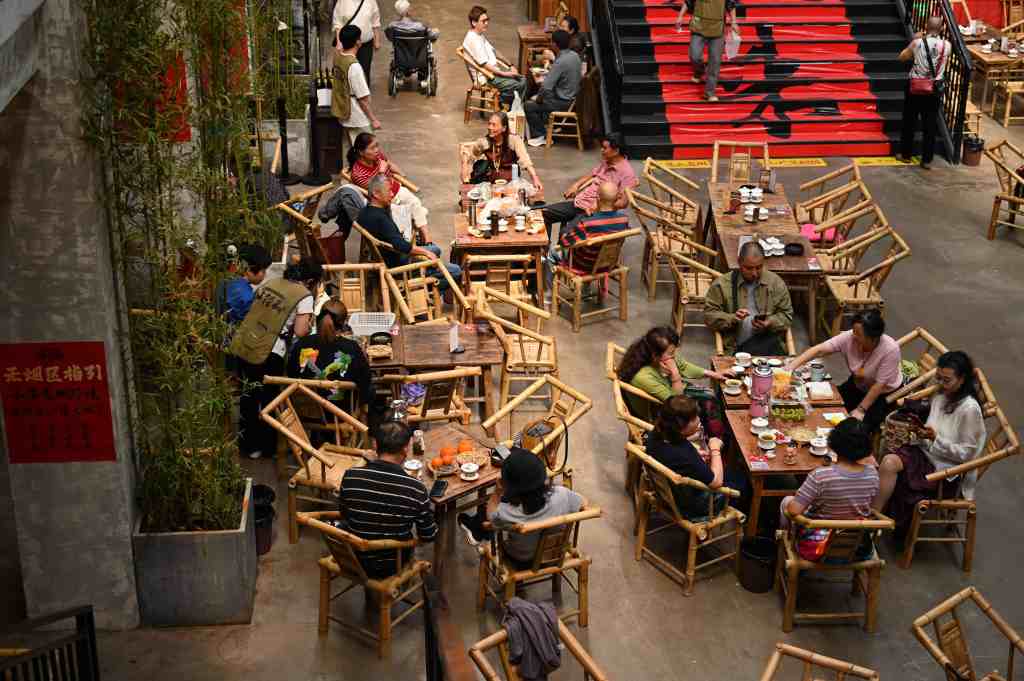
How Does Feng Shui Influence the Interior Design of Asian Restaurants?
Walk into a good Asian restaurant. The space feels calm before the food arrives.
The front entrance looks warm. The tables feel balanced. The lighting feels soft. The colors feel rich, but not random.
How does feng shui influence the interior design of Asian restaurants?
Feng shui shapes how designers plan the room, place furniture, choose colors, and create a welcoming mood.
This topic helps you understand Chinese culture, design, and hospitality if you study in China.
What Is Feng Shui?
Feng shui is an ancient Chinese practice about space, balance, and energy.
The term “feng shui” means “wind and water.” Traditional Chinese thought links wind and water with movement, nature, and life.
Feng shui studies the flow of energy (called qi or *chi*) in spaces like homes, shops, and restaurants.
The goal is to create a space full of positive energy.
Is Feng Shui Superstition or a Real Design Practice?
People have different views.
Some see feng shui as a cultural belief that affects luck and success. Others see it as a practical design method.
Many feng shui principles make sense in modern interior design:
- A clean entrance creates a good first impression.
- Good lighting makes people comfortable.
- Clear walkways help guests and staff move.
- Balanced color choices make a room pleasant.
- A clutter free space feels calm.
Feng shui can be both belief and design. For students, it shows how Chinese culture connects with daily life
So, How Does Feng Shui Shape Restaurant Design?
Designers use feng shui principles to create a clean, warm, and easy space.
A strong feng shui restaurant feels:
- Welcoming from the entrance
- Comfortable for guests
- Easy for staff to work in
- Clutter free
- Balanced in light, color, and layout
- Full of good energy
How does feng shui influence the interior design of Asian restaurants?
It guides the entrance, space planning, seating, lighting, color choices, plants, water features, and decor.
These design elements create good energy and make the restaurant more memorable.
Key Feng Shui Elements in Restaurant Design
Feng shui affects Asian restaurant interiors through several key areas. These ideas help designers create a space that feels balanced, useful, and welcoming.
| Feng Shui Area | How It Appears in Restaurant Design | Why It Matters |
| Entrance | Clean front door, clear signs, warm lighting | Welcomes guests and positive energy |
| Layout | Open walkways, clear paths, easy staff movement | Helps people and energy move smoothly |
| Seating | Round tables, balanced spacing, comfortable views | Creates comfort and harmony |
| Colors | Red, gold, green, brown, black, and warm tones | Builds mood, luck, warmth, and balance |
| Materials | Wood, stone, metal, glass, plants, and water features | Adds texture, meaning, and visual balance |
| Decor | Lanterns, calligraphy, bamboo, fish tanks, and landscape art | Connects the space with Asian cultur |
This is why good Asian restaurant interior design is not only about decoration. It also considers how people enter, move, sit, eat, and feel inside the space.
Students interested in architecture in China can learn a lot from this. Feng shui shows how design can connect culture, function, and atmosphere.
The Five Elements in Feng Shui Restaurant Design

Many feng shui restaurant designs use the five elements: wood, fire, earth, metal, and water.
These elements do not always appear in obvious ways. Designers may show them through color, shape, material, lighting, or decor.
- Wood appears through plants, bamboo, wooden tables, and green tones. It suggests growth, freshness, and life.
- Fire appears through warm lighting, red accents, candles, and lively dining areas. It adds energy and warmth.
- Earth appears through stone, ceramics, beige, brown, and yellow tones. It makes the restaurant feel stable and grounded.
- Metal appears through fixtures, hardware, white, gray, or metallic details. It can make the design feel clean and modern.
- Water appears through fish tanks, fountains, mirrors, glass, or dark blue and black tones. It suggests flow, movement, and prosperity.
A good restaurant does not need all five elements in equal amounts.
The goal is balance.
Too much red may feel intense. Too much glass may feel cold. Too much decor may feel crowded.
Good Chinese restaurant interior design uses colors and materials in a way that feels natural, warm, and comfortable.
This is also why students who study art and design in China can learn from real restaurant spaces. Restaurants show how traditional ideas can become modern design choices.
How does feng shui influence the interior design of Asian restaurants?
It guides the entrance, space planning, seating, lighting, color choices, plants, water features, and decor.
These design elements create good energy and make the restaurant memorable.

1. The Entrance Welcomes Energy
The front door matters most in feng shui. Energy and guests enter here.
A good front entrance includes:
- Clear signage
- Warm lighting
- A clean doorway
- Plants near the door
- A simple view inside
Red, gold, or lantern lighting adds good luck and welcome.
2. Space Planning Helps Guests Move Easily
Good space planning makes a restaurant feel natural.
Feng shui layouts avoid:
- Narrow walkways
- Crowded tables
- Sharp corners facing seats
- Blocked entrances
This strategic placementenhances the dining experience. Guests feel relaxed, not trapped.
3. Seating Affects Comfort
Many Asian restaurants use round tables. Round shapes feel softer than sharp corners. They help create harmonious dining.
Good seating makes guests feel:
- Safe
- Relaxed
- Able to see the room
4. Colors and Materials Shape the Mood
Colors and materials play a big role.
Asian restaurants use warm, symbolic colors:
- Red for joy and luck
- Gold for warmth and wealth
- Green for growth
- Brown for stability
Wood feels natural. Stone feels grounded. Metal adds a modern touch.
Good Chinese restaurant interior design feels balanced.
5. Lighting Creates Warmth
Bright white light feels cold. Dark rooms feel heavy. Warm, layered lighting works best.
Asian restaurants use:
- Lantern lights
- Pendant lights
- Soft table lighting
Good lighting makes food look better and guests feel calm.
6. Plants, Water, and Decor Add Meaning
Plants bring life. Water suggests prosperity.
That is why some Chinese restaurants place fish tanks near the entrance.
Common Asian restaurant decor includes bamboo, fish tanks, calligraphy, and lanterns.
But too much decor feels heavy. Clean spaces work better.
7. The Kitchen Also Matters
The kitchen supports the whole restaurant. Feng shui links the kitchen to food and health.
A good kitchen stays:
- Clean and bright
- Organized and safe
- Free from broken tools
Clean kitchens help staff work better.
Why This Matters for Students in China
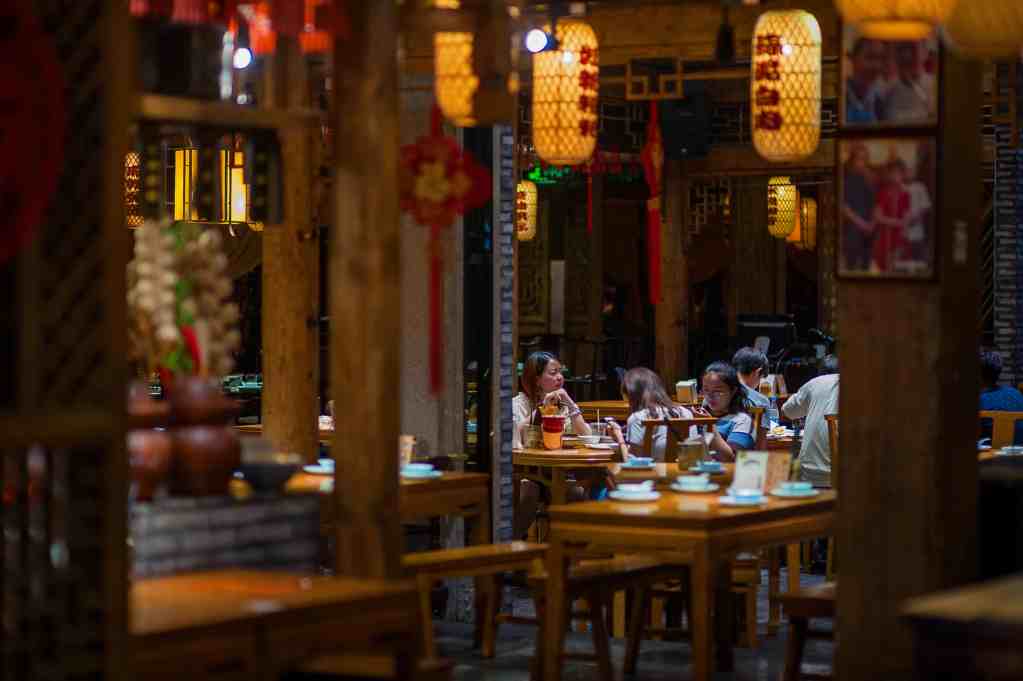
If you study in China, you can see feng shui in real spaces:
- Restaurants and tea houses
- Hotels and homes
- Gardens and shops
- Campus buildings
China becomes a living classroom. You observe culture every day.
Studying in China helps you understand how tradition adapts to modern life. This is useful for students interested in architecture, design, tourism, business, or Chinese language programs.
Frequently Asked Questions
How does feng shui influence the interior design of Asian restaurants? It affects the entrance, layout, seating, lighting, color, and materials. These choices create a balanced, welcoming space.
Fish tanks symbolize flow, wealth, and prosperity in feng shui. They also add movement and calmness.
Feng shui helps owners think about comfort, movement, and atmosphere. This supports a better dining experience.
Some believe feng shui improves luck. Others see it as practical design. Many ideas make sense, like clean entrances and good lighting.
Feng shui began in China and influenced many parts of Asia. People value it because it connects space, nature, and good fortune.
Glass represents the water element. It is clear and reflective. Designers balance glass with wood, stone, or fabric for warmth.
Feng shui improves entrances, seating, lighting, and flow. Guests feel more welcome and may return.
People have different views. Some see it as belief. Others see it as balance and comfort. For students, it is part of Chinese culture.