
How to Start Learning Chinese: From Pinyin to Bangers (and a Few Curse Words)
So, you’ve decided to tackle Mandarin Chinese—congrats! You’re about to embark on a journey that’s equal parts challenging, fascinating, and incredibly rewarding. Whether your motivation is academic, professional, cultural, or just plain curiosity, you’re in for a ride that opens doors across continents.
Maybe you’re dreaming of ordering spicy chuan’r skewers from a street vendor in Beijing without breaking into a nervous sweat. Or perhaps you’ve been inspired by those late-night KTV sessions where people belt out Chinese famous songs like they were born onstage. Or hey—maybe you just want to impress your friends with a confidently delivered “你好” (nǐ hǎo, “hello”) or know what people are really saying in Mandarin dramas when the subtitles say “[angrily mutters something].”
Wherever you’re starting from, this guide is for you.

The Truth About Learning Chinese
But let’s be honest: learning Chinese isn’t just about textbooks and tone charts. It’s about finding a rhythm, having fun, and making the language yours. That’s why we’re covering it all—from Pinyin (your pronunciation survival kit) to bangers (yes, music helps you learn faster), and even a cheeky nod to curse words (because you will hear them, so why not understand them?). Don’t worry—we’ll keep it classy and culturally respectful.
So, get ready to learn Chinese, buddy. Whether you’re studying solo, chatting on Omegle with new friends in China, or vibing to the latest Jay Chou track, you’re taking the first step into a new world of language, connection, and confidence.
Ready? Let’s get into it.
- The Truth About Learning Chinese
- Step 1: Learn the Very Basics — Pinyin
- Step 2: Fuel Your Journey with Chinese Famous Songs
- Step 3: Curse Words—Handle With Care
- Slang vs. Swearing — Speak Bold Without Being Rude
- Step 4: Build Your Core Vocabulary
- Step 5: Immerse Like a Pro
- Conclusion: Your Mandarin Adventure Starts Now
- Start Your Journey to Study in China Today
Step 1: Learn the Very Basics — Pinyin
Before you even think about memorizing characters or singing along to Chinese famous songs, start here: Pinyin. It’s the foundation of modern Mandarin learning and your best friend when it comes to pronunciation.
What Is Pinyin?
Pinyin is a romanization system that uses the Latin alphabet to represent Chinese sounds. Instead of struggling with characters right away, you’ll use letters like zh, x, q, and ü to decode pronunciation. It’s basically the bridge between your native language and Chinese—perfect for beginners asking how to start learning Chinese.
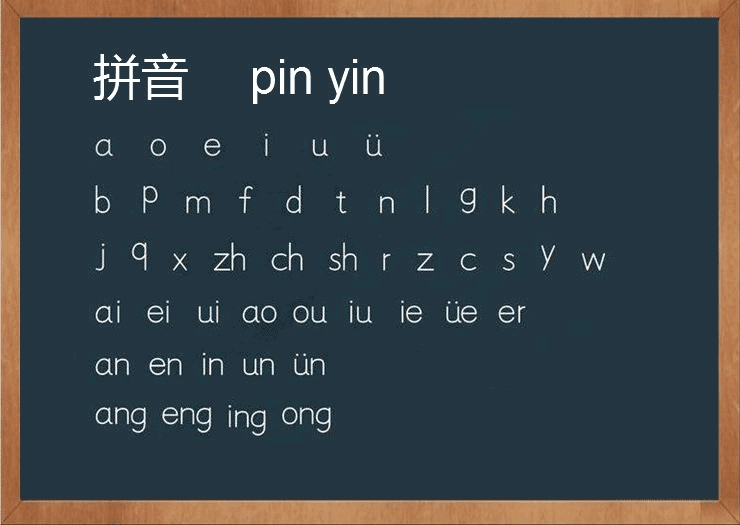
1. Tone Mastery
Mandarin is a tonal language—meaning the tone you use changes the word’s meaning. Pinyin doesn’t just show you the sounds—it also shows the tone marks:
| Tone | Symbol | Example (Pinyin) | Character | Meaning |
| 1st Tone | ¯ (flat) | mā | 妈 | Mom |
| 2nd Tone | ˊ (rising) | má | 麻 | Hemp |
| 3rd Tone | ˇ (fall-rise) | mǎ | 马 | Horse |
| 4th Tone | ˋ (falling) | mà | 骂 | To scold |
| Neutral Tone | (no mark) | ma (unstressed) | 吗 | Question particle |
Miss a tone? You might call someone’s mom a horse. It happens.
2. Bridge to Characters
Reading Chinese characters as a beginner can feel overwhelming. Pinyin acts as training wheels by letting you read phonetically while your brain gradually absorbs character structure. Most modern learning apps—HelloChinese, Duolingo, Pleco, etc.—use Pinyin overlays for this exact reason.
You’ll also see Pinyin used in:
- HSK exam materials

- Digital dictionaries
- Input methods for typing Chinese


So yeah—it’s not optional. But that’s a good thing!
💡 Learn more about What is HSK?
3. Pro Tip: Tongue Twisters Train Your Brain
Need a fun way to sharpen your pronunciation? Try classic Chinese tongue twisters like:
“四是四,十是十” (sì shì sì, shí shì shí)
Translation: “Four is four, ten is ten.”
This one helps you train your ear and mouth to distinguish between s and sh, which sound super similar to beginners but mean very different things.
Record yourself saying it, then compare to a native speaker—instant feedback!
Step 2: Fuel Your Journey with Chinese Famous Songs
Music isn’t just entertainment—it’s one of the most enjoyable ways to absorb a new language. If you’re wondering how to start learning Chinese, diving into music is both effective and fun. Chinese famous songs often use simple, emotional lyrics that repeat, making them great tools for beginners.
Start with the timeless ballad 《月亮代表我的心》 (Yuèliàng Dàibiǎo Wǒ de Xīn – The Moon Represents My Heart) by Teresa Teng. This classic features a slow tempo and crystal-clear enunciation, perfect for getting used to Mandarin tones. It’s a staple for karaoke fans and language learners alike.
Next up, explore viral pop with 《小苹果》 (Xiǎo Píngguǒ – Little Apple) by the Chopstick Brothers. With its disco beat and repetitive lyrics, it’s impossible not to sing along. You’ll be learning vocabulary before you even realize it.
Finally, for something more modern and youthful, try 《青春修炼手册》 (Qīngchūn Xiūliàn Shǒucè – Youth Training Manual) by TFBoys. This energetic track is packed with common expressions and everyday slang, making it a smart choice for vocabulary building.
To make the most of your musical journey, use karaoke apps like Smule or WeSing, which display Pinyin subtitles as you sing. If you want to level up your listening comprehension, try LyricsTraining, where you fill in missing lyrics as you listen—great practice for vocabulary recall and reading speed.
Step 3: Curse Words—Handle With Care

Alright, let’s talk about the spicy stuff—curse words. While it’s tempting to dive headfirst into the edgy side of any language, caution is key. Understanding a few Chinese swear words isn’t about being rude—it’s about recognizing them in memes, dramas, or heated online debates so you’re not totally lost (or unintentionally offending someone). If you’re serious about how to start learning Chinese, even this “gray area” of the language deserves a quick visit.
Take 卧槽 (wò cáo), for example. It’s often used to express shock or disbelief—think “Holy crap!” rather than anything aggressively offensive. Then there’s 笨蛋 (bèn dàn), which literally means “stupid egg,” commonly used between friends to playfully call someone an “idiot.” Just be careful—it can go from cute to cutting depending on tone. Finally, 闭嘴 (bì zuǐ) translates to “shut up,” and while it’s bluntly effective, it’s best saved for dramatic fiction rather than real-life chats.
The golden rule? Don’t try these out on strangers. Learn them for cultural literacy, not to start fights. A great place to encounter these in context is through Chinese dramas like The Untamed, where characters serve elegant insults with historical flair. When you’re watching with subtitles and hear a tense phrase drop, now you’ll know why everyone gasped.
Slang vs. Swearing — Speak Bold Without Being Rude
Understanding the difference between slang and swearing is crucial if you want to sound natural without crossing lines. Chinese, like any language, has layers of playful, cheeky, and downright offensive expressions—so here’s how to stay on the fun side of fluent.
🧠 Slang ≠ Swearing
| Expression | Meaning | Safe to Use? | Context |
| 给力 (gěi lì) | “Awesome” or “cool” | ✅ Yes | Everyday convo, social media |
| 吃瓜 (chī guā) | “Be a bystander/drama watcher” | ✅ Yes | Commenting on gossip or news |
| 土豪 (tǔ háo) | “Flashy rich person” | ✅ Yes | Joking about someone’s wealth |
| 撒狗粮 (sā gǒu liáng) | “Show off PDA (Public Displays of Affection)” | ✅ Yes | Online or casual joking about couples |
These phrases are playful, culturally rich, and safe for beginners. Throw them into a conversation or WeChat chat to impress your new friends.
⚠️ Tread Carefully
Swear words (like the ones in Step 4) can cause offense, especially in formal or unfamiliar settings. Avoid using:
- 骂人话 (mà rén huà) – “Words that curse people”
- 粗话 (cū huà) – “Crude language”
If in doubt, listen first before using slang or edgy language. Chinese culture values indirectness and face (面子), so being polite—even when joking—is often appreciated.
Step 4: Build Your Core Vocabulary
Once you’ve got your tones and Pinyin down, it’s time to bulk up your vocabulary—starting with words and phrases you’ll actually use in real-life conversations. This step is crucial if you’re serious about how to start learning Chinese, and want to sound confident instead of confused.

🗣️ Start with Survival Phrases
These essential expressions will get you through travel, small talk, and awkward moments:
- Greetings:
- 你好 (nǐ hǎo) – “Hello”
- 再见 (zài jiàn) – “Goodbye”
- Food Ordering:
- 我要这个 (wǒ yào zhège) – “I want this”
- 不辣 (bù là) – “Non spicy”
- Compliments & Social Wins:
- 你很厉害!(nǐ hěn lìhài) – “You’re awesome!” or “You’re impressive!”
Don’t just memorize these—use them out loud, even if you’re talking to your dog or your reflection.
Start small—just 5–10 new words a day—and build consistent habits. With the right tools and survival phrases in your back pocket, your vocab will grow faster than you think.
Step 5: Immerse Like a Pro
To truly internalize Mandarin, passive learning isn’t enough—you need to dive headfirst into real-world content and culture. Full immersion is how kids learn their first language, and it’s just as powerful for adults. Here’s how to get ready to learn Chinese, buddy, with methods that go way beyond textbooks.
📺 Watch Variety Shows

Start with Keep Running (《奔跑吧兄弟》, formerly known as Running Man China). It’s packed with celebrity antics, slang-heavy dialogue, and regional accents. Shows like this help you:
- Pick up casual speech and inside jokes.
- Learn how Mandarin actually sounds in fast, real-time conversations.
- Spot gestures and cultural cues that don’t show up in textbooks.
Pro Tip: Watch with Chinese subtitles first. Then rewatch in slow mode with Pinyin or English if needed.
📱 Follow Douyin Trends

China’s version of TikTok, Douyin, is a goldmine of native content. From viral dance challenges to cooking hacks, mimicking these short clips boosts:
- Listening comprehension in bite-sized, repeatable doses.
- Speaking confidence as you imitate pronunciation and tone.
- Awareness of what’s cool in youth culture—great for sounding natural.
Suggested trend: Try mimicking a food haul vlog or makeup tutorial and post your own with subtitles for feedback.
🧑🤝🧑 Join Local Mandarin-Speaking Events
Learning in isolation? Not anymore. Platforms like Thatsmandrain and Applyforchina host offline and virtual Mandarin meetups around the world.
Popular options:
- Mandarin-speaking brunches: Casual conversation over dumplings.
- Calligraphy workshops: Learn stroke order while sipping tea.
- Language exchanges: Pair up with Chinese speakers learning English.
Immersion doesn’t mean moving to Beijing right away—it means living the language daily, no matter where you are.
Conclusion: Your Mandarin Adventure Starts Now
Learning Chinese is like embarking on a cross-continental road trip—thrilling curves, occasional wrong turns, and vistas that leave you breathless. From your first shaky “nǐ hǎo” to belting Chinese famous songs like a KTV pro, every milestone is a story waiting to be told. Remember, fluency isn’t a sprint; it’s a dance between discipline and delight.
Learn more about how to say “How Are You.”
Think of Pinyin as your trusty map, guiding you through the tonal terrain. Those curse words you picked up? They’re the roadside snacks—best enjoyed in moderation and with a wink. And when you’re crooning along to Teresa Teng’s The Moon Represents My Heart or decoding Douyin trends, you’re not just learning a language—you’re living it.
But let’s keep it real: some days, Mandarin might feel like trying to sip noodles with chopsticks during a earthquake. That’s when Omegle language swaps or a “get ready to learn Chinese buddy” pep talk come in clutch. (Pro tip: Bribe yourself with bubble tea after nailing three tones in a row. 奶茶(milk tea) therapy works wonders.)
Why You’ve Got This:
- You’re Armed: Pinyin charts, banger playlists, and sneaky slang—check.
- You’re Connected: Language apps, communities, and ApplyforChina’s mentors have your back.
- You’re Curious: That itch to order xiǎolóngbāo without pointing? It’s your superpower.
And if you hit a wall? ApplyforChina is your secret weapon. We offer crash courses on the very basics, curated playlists of Chinese famous songs, and even guides to politely decline spicy hotpot (because not all heroes wear capes).
So, dust off your phrasebook, charge your earbuds, and wear that “wǒ zài xué zhōngwén” (I’m learning Chinese) badge with pride. Your Mandarin adventure isn’t just about characters and tones—it’s about unlocking a world where every “你好” opens a door, every lyric sparks a connection, and every mispronunciation becomes a inside joke.
加油!(Jiāyóu!)* The road ahead is yours to conquer—one tone, one banger, one 卧槽 at a time. 🐉
Start Your Journey to Study in China Today
Choosing to study in China is a life-changing decision that opens the door to world-class education, cultural diversity, and exciting global opportunities. Whether you’re researching top China universities or preparing your China university application, having a trusted partner can make all the difference.
At ApplyForChina, we make the process simple and stress-free. From finding the right university to submitting your application, we’re here to support you every step of the way.