
China Student Life: Dorms, Food, Budget & Culture
by a grad student living the Shanghai student dream (with coffee and food in hand)

So, what’s it really like to study in China as an international student? No sugar-coating here. Just the honest, sometimes chaotic, mostly wholesome truth of a grad student at East China Normal University (华东师范大学), living life on the Minhang Campus in Shanghai.
Face Scans & Campus Security
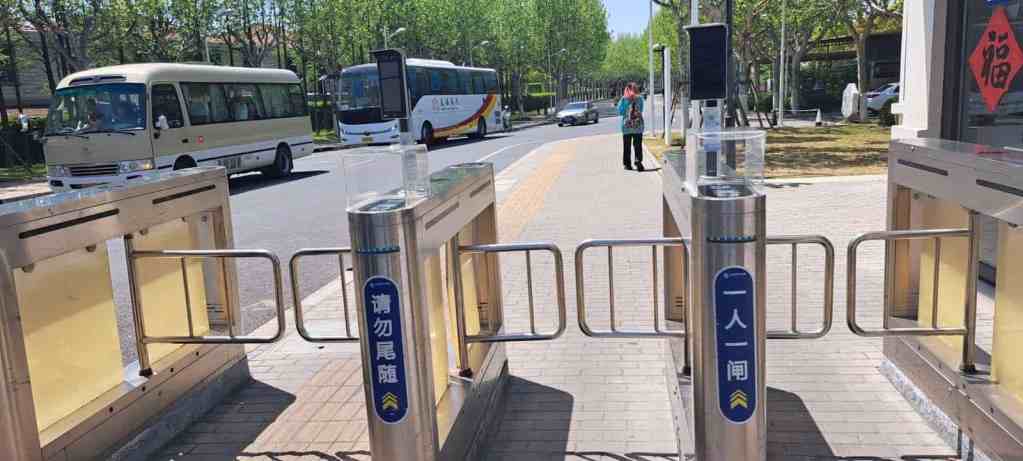
When I arrived on campus for my first day of school, I was shocked to see a scanning gate to enter campus, which is using such a high-tech device just for identity verification to enter the campus area. To be honest, it kind of feels a little sci-fi. You just need to walk up to the gate, scan your face, and in a second, the system pulls up your student profile, and the gate will open up automatically after verification. It’s both cool and a little exciting, but hey, campus security is tight.
Once in, it’s like living in a mini city. The campus is huge, so getting around on foot every day would be a literal marathon. Instead, I hop on a shared bike, and it still took me dozens of seconds to get from the north gate to the south gate. Good things, you’ll see those bikes everywhere—bright yellow, mint green, or blue bikes parked in neat (or not-so-neat) rows. You can zip across campus like a pro for just 35 yuan/month, or 19 yuan/month if you got a discount. No wonder China’s known as the “Kingdom of Bicycles” (自行车王国).

A Day in the International Student’s Life
It’s now spring, and my campus is filled with beautiful, colorful flowers. One of the unique scenes on our campus is undoubtedly the Cherry River, which flows through the area towards the Huangpu River (黄浦江).

Morning Chaos: Breakfast at Class
Wake up. Get dressed. Head to class. That’s the routine. My first class mostly starts at 8:00 AM, so I grab a quick milk-and-bread breakfast on the way, because let’s be honest, waking up early and making a full breakfast will not be possible.
After a quick breakfast, the class will start with the teacher doing the roll call. Some of the students will focus wholeheartedly on the lesson, while others are just sitting and who knows if they’re listening. Either way, you better be ready. You want to be prepared when the professors call your name to answer a question. However, most of the professors are very friendly, and some often insert some jokes in between, making the class enjoyable.

Lunch Time: Packed Cafeteria & Library Zen
After class, I head back to the dorm area to eat at the dorm cafeteria. The cafeteria at the dorm is complete with different kinds of variety. They have almost everything, from rice to noodles to a little bakery, and most of them are cheap but delicious. For 12–20 yuan/portion, you get tasty meals, fresh and hot from the kitchen.
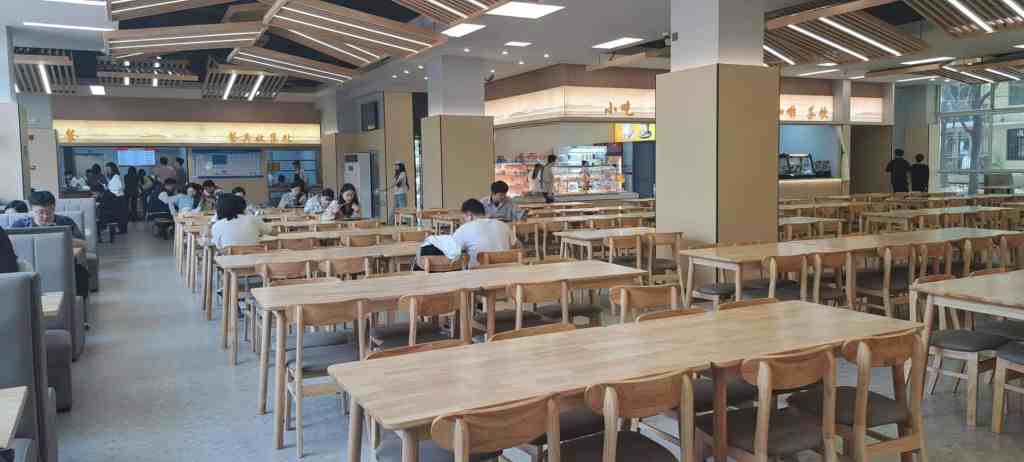
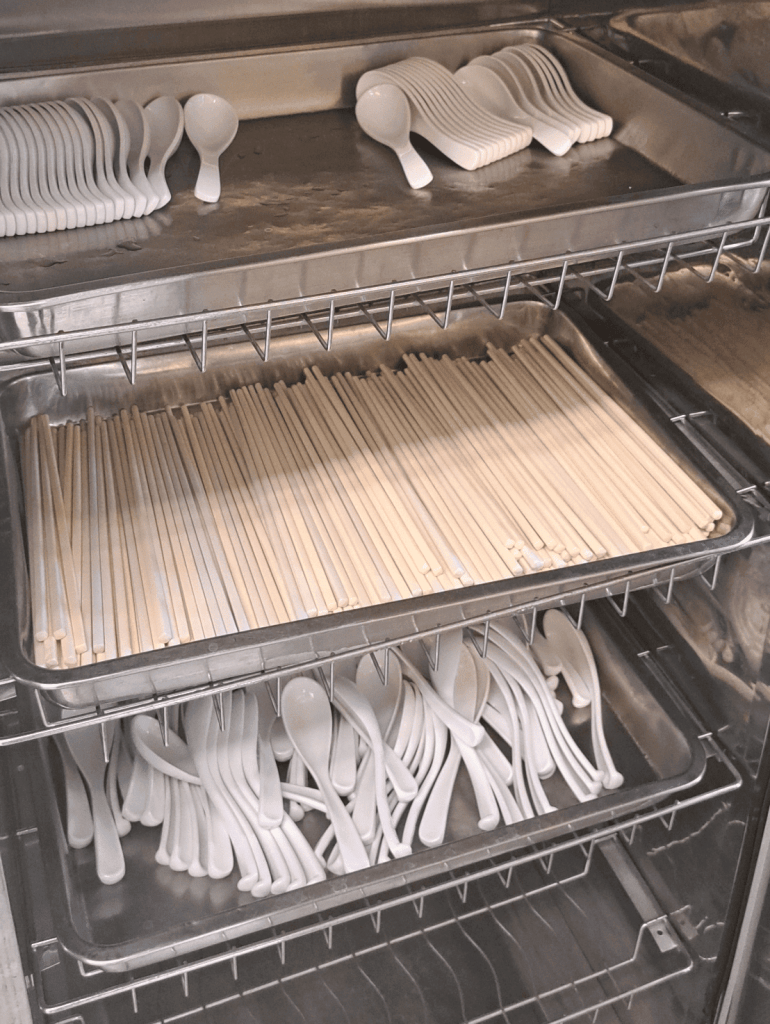
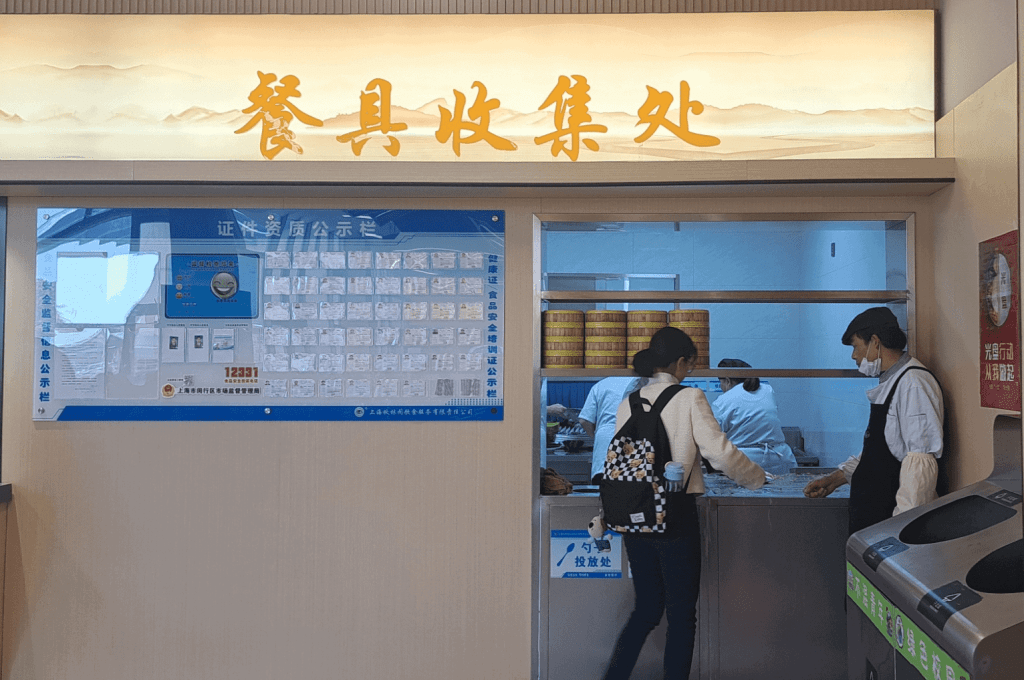
Everything’s streamlined—you pay with your student card or the school app, grab your sterilized chopsticks or spoon from a cabinet, and return everything to a designated spot after eating. Everyone contributed to the cleanliness of the cafetaria, making the place more comfortable.
Some students prefer takeout using applications such as Meituan 美团 or Eleme 饿了么. There’s a lot to choose from, but delivery drivers can’t enter the campus, so you have to pick up your food at a designated area near the dorm gate. Honestly, it’s not bad exercise.

Lunch break is long enough to nap, about one hour and a half, but I prefer to head to the library when I have night class. It’s peaceful, and there are often small exhibitions. Today’s displays are traditional Chinese calligraphy and paintings. Mesmerizing and complex stuff.

I had a study room booked—a little small as it only fits two people max, not soundproof, but still feels like your own little bubble. The walls have random student scribbles, some insightful, some hilarious.

Evening Coffee: Prepared for Night Class
Dinner’s usually back at the canteen. I eat, grab a coffee (essential), then head to night class at 6 PM. It’s a required course: Chinese Language and Culture 中国语言文化. Sounds poetic? It is. Understandable? As an international student with less exposure, of course, not really—especially when we’re analyzing classical literature texts. However, a few students present their research and analysis every week in turn, which keeps things interesting.


By 8:30 PM, today’s class has ended. I head back to my dorm, wash up, scroll on my phone, watch Douyin for a while, and maybe text my family. After a while, the exhaustion finally creeps in, and then I get a good night’s sleep.
Weekend Activities & Foods in China
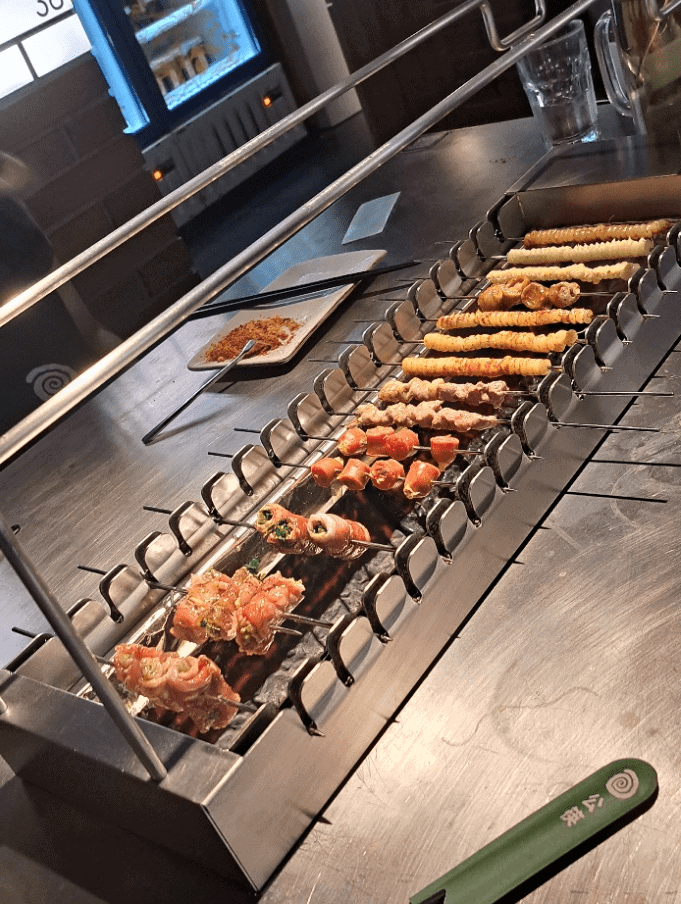
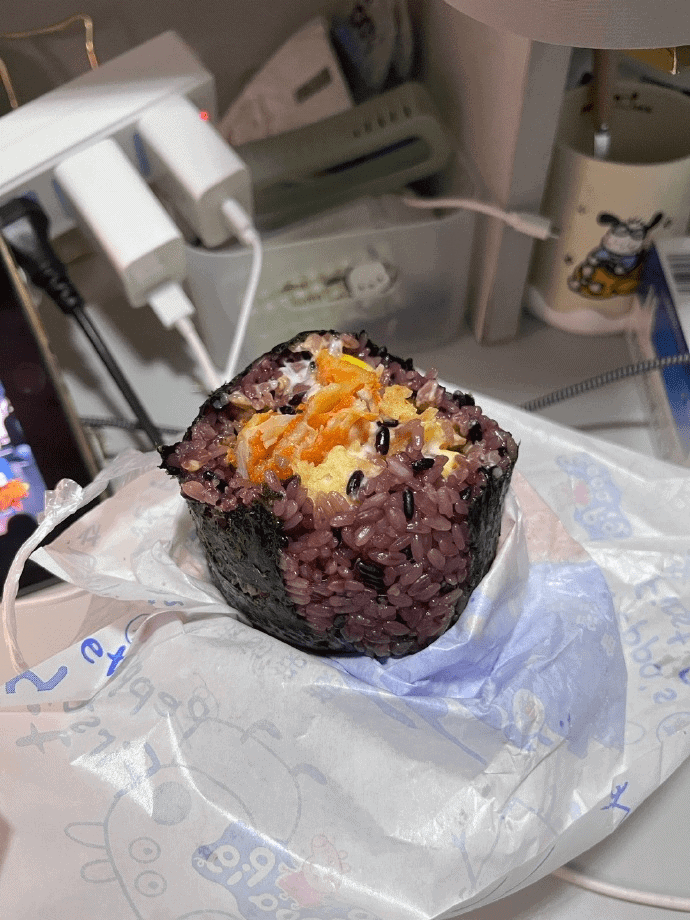
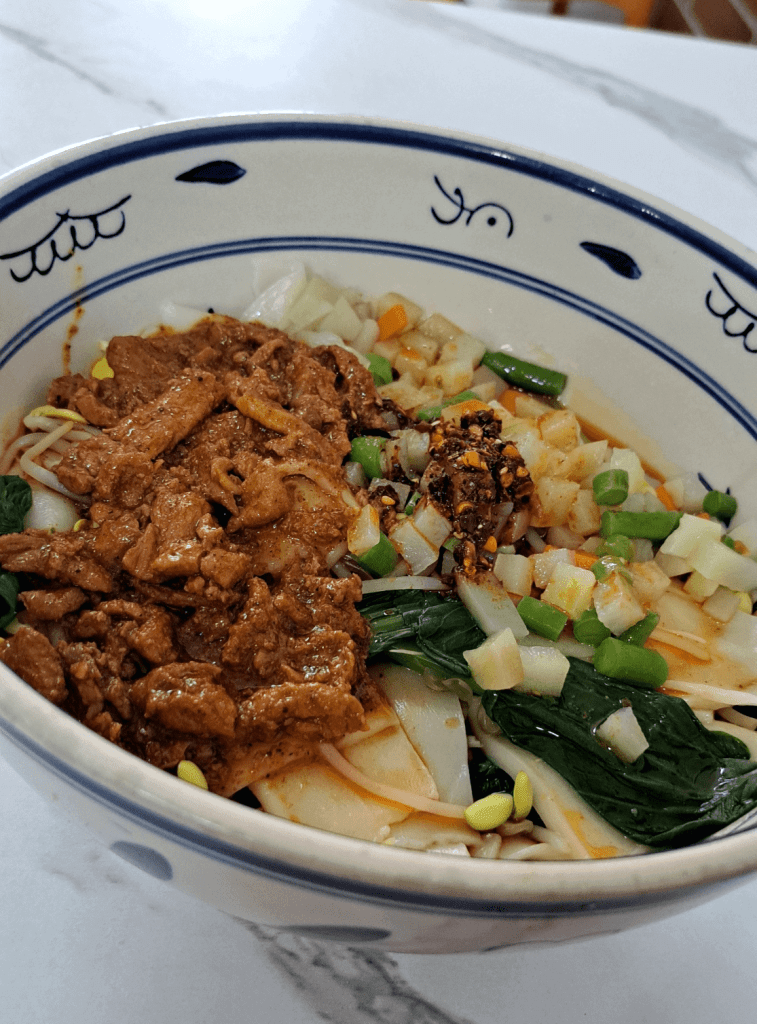
Weekends mean freedom. No classes, and time to explore the local area. Shanghai is packed with cool spots to explore, from historic alleys to delicious street foods, and also the iconic Shanghai Tower. I usually head out and try out some local food, such as Lanzhou Noodles, skewer BBQ, and especially Fantuan (饭团), a sticky rice roll stuffed with veggies, meat, or eggs. It’s like a Chinese version of Korean kimbap but served hot, chewier, and delicious. For only 6 yuan, it’s a game changer.
Sometimes, our university hosts student activities. A few months ago, I joined a cultural exhibition about Chinese seals, where I had the experience of sculpting one myself. Then, last week, there was a job fair exclusively for international students. Major global companies were there—MiHoYo, Trip.com, and more. It was exciting to see real opportunities laid out, especially for those planning to work in China after graduation.


Monthly Budget As International Student (More or Less)
I’m not a big spender, and I don’t eat much, so your mileage may be different from mine. But here’s my typical monthly budget:
- Dorm: 1100 yuan
- Food: 1600 yuan
- Online shopping: 300 yuan
- Transportation: 70 yuan (thanks, share bikes)
- Groceries & essentials: 150 yuan
Total: ~3220 yuan/month (around $450 USD)
Beware! What to Avoid
Studying and living in China, Shanghai, as a graduate student, is quite comfortable. The top technologies and various applications they have for convenience are everything you could hope for, especially if you’re a homebody. You could get everything delivered to your doorstep, so in two to three days, even if you ordered it from the other side of China—what a dedication. However, there are still things you should be aware of and avoid to save you some trouble.
- Unstoppable Scrolling
Although you cannot access some social media in China normally, such as Instagram, YouTube, TikTok, etc. However, they have Douyin. Find out more about Douyin and TikTok. Anyway, once you scroll through those short videos, you’ll be so immersed in it, and by the time you realize it, the days have changed, and you’ve lost sleep. So definitely make sure you set a timer for your online duration, get enough sleep, and get to class on time. - Online Shopping
Have you ever heard of Taobao? Yes, this is a popular Chinese online shopping platform, similar to Etsy or Shopee, where you can buy anything you can imagine. As a girl, scrolling through lists of beautiful and cute outfits makes my heart scream, and my mind is filled with “buy, buy, buy!” China has many different online shopping apps like Taobao 淘宝, JD 京东, or Pinduoduo 拼多多, that offer good quality at a good price, and they often provide free returns within seven days. - Boba Addiction
China is known for its wide range of tea products, from high-quality Longjing Tea to a simple street vendor’s milk tea. To sum it up, no matter where you go, people are selling tea with just a turn of your head. When I have a great day, I want to celebrate with a cup of brown sugar milk tea, and when I have a bad day, what else can cheer me up more than a cup of milk tea boba? Moreover, they serve both hot and cold milk tea with low sugar, and nothing beats a cup of warm tea in winter. Anyway, although it’s low sugar, make sure you’re not getting addicted!
Suggested Reading: Learn more about Chinese Tea!
Study in China: What to Pack?
I know some of you might be confused of what to pack before coming to study in China. So here are some tips and a list of items you want to pack based on my experience.
- Toiletries and Skincare:
I don’t have sensitive skin, so I bought all my toiletries and skincare products in China. However, some international friends prefer their own because they’re used to certain brands or have sensitive skin. I suggest that sensitive individuals purchase their own, ensuring compliance with customs regulations. You can buy a small or travel-size pack before arriving in China. Coming from a country that uses bidets, I also bought one in China, as they aren’t common here. - Common Meds:
Coming to a foreign country with unfamiliar weather and different living habits might affect your health. Therefore, just in case, you may want to pack some commonly used meds, for example, for colds or headaches. Moreover, you should prepare your meds if you have any illnesses, such as gastritis, which could occur at any time. - Local Foods:
It would be great to do some research before studying in China and learning some basic information, such as the local food. Some people have more sensitive palates, and in my case, I prefer spicy foods, but dishes in Shanghai are… not very spicy, unless you visit a Sichuan or Hunan restaurant. That’s why I bring my own chili powder, which I could add to the food anytime I want. You can also pack some local snacks to share with your friends in China, or just eat them yourself when you miss home. - Essential Must-Have Items:
The last point is essential. International students often connect via social media like Instagram, Snapchat, X, or WhatsApp. However, these apps are restricted in China, so consider subscribing to a VPN beforehand for seamless access. Also, prepare an umbrella to shield against the harsh summer sun and rain. Lastly, download local apps like WeChat, Alipay, and Baidu Map or Tencent Map. WeChat and Alipay are the most common payment methods in China.
Worth It?
Studying in China is a mix of modern convenience, cultural richness, and an enjoyable living environment, especially in cities like Shanghai. The tech is ahead of the curve, the food is comforting, and the community is full of surprises.

It’s not always easy studying and adapting to a new environment, but it’s always interesting to explore. If you’re considering studying abroad in China, I’d say: Welcome! However, if you’re not sure and still contemplating things, check out ApplyforChina for a free consultation.