
From International Student to Working Professional in China
How I Came to China, Became “罗拉,” and Built a Life I Never Imagined
Bonjour everyone 👋
My name is Lola! though ever since I began my study and work in China, most people call me 罗拉 (Luōlā). People often ask me how a girl from a quiet French seaside town ended up at a university in China. She navigated the world of foreign students working in China. She also dealt with the complex requirements to work in China.
In the end, she found a meaningful job and life in China. None of it was planned. It all began with one decision: to pursue a master’s degree abroad.
Chapter 1: Leaving a Quiet French Town
I grew up in a tiny coastal town in western France where everything closed early and nothing ever changed. Peaceful but predictable, my world felt too small by the time I graduated from high school. I wanted to see more, experience more, and understand more than the routine life around me.
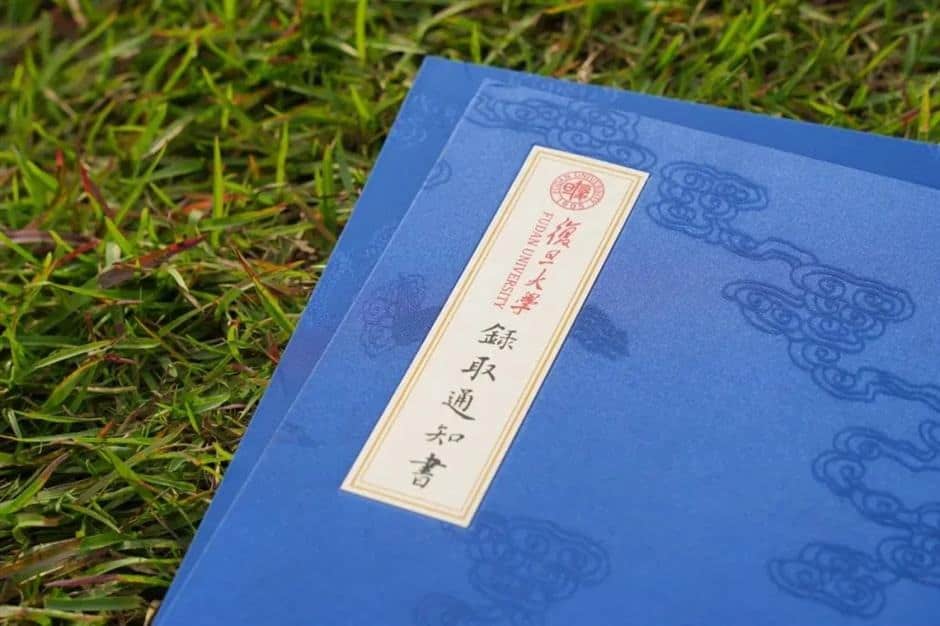
I was so excited when I received my acceptance letter into a Master’s program in International Marketing & Communications in Shanghai. Even though I didn’t speak Chinese and had never been to Asia, I felt a strong urge to go. I had no idea how to apply for visas or residence permits, but something inside me said, “Go.”
My parents questioned why I didn’t choose a country closer to home. But I knew deep down that if I wanted a different future, I had to step into a different world. I left my home country and took a big leap in my life. I did not know this moment would shape my career and my identity.
Chapter 2: Entering China and Becoming 罗拉
Arriving in Shanghai felt like entering another universe. The streets buzzed late into the night, the metro moved like clockwork, and everything was open. always.
On my first evening, I wandered into a convenience store at midnight. As I stood there with a warm tea egg, I was amazed. People were still shopping and laughing at that hour. I thought, “This is nothing like home.”
During orientation week at my university in China, two classmates asked my name.
“Lola,” I said.
“罗拉!” they replied instantly, excited to give me a matching Chinese name. They wrote 罗拉 in my notebook, decorated it with a heart, and said, “Welcome to China.”
From that moment onward, classmates, teachers, and even cafeteria ayi used my Chinese name. Later, when I joined my first company in China, my colleagues used it too. It became more than a nickname. It became a symbol of my second identity: of the life I was creating.
Chapter 3: Studying, Struggling, and Falling in Love With Life Here
My master’s program taught me more than marketing. It taught me how to survive and grow in a completely new world.
I learned to order food in Chinese, navigate crowded metro lines, ride shared bikes through busy streets, and bargain in markets. I learned what spicy really means. I learned how to feel safe walking alone at night.
I made mistakes, of course. I once confused the words for “napkin” and “toilet paper.” I once took the wrong bus for an hour because I couldn’t read the characters. But through these mistakes, I also learned resilience and humor.
Most importantly, I learned what it means to belong to two worlds at once.

During this time, I also researched the requirements to work in China. Every international student eventually becomes anxious about post-study work in China, finding a job, and understanding the rules for how to get a work permit in China. I learned very quickly that the rules were strict:
- With a Bachelor’s degree, you cannot work in China after graduating without two years of full-time work experience.
- But with a master’s or PhD—my path—you can apply directly for the master’s degree China work permit.
Those regulations became crucial to my future, not just bureaucratic rules, but the difference between staying and leaving.
Chapter 4: The Job Search That Changed My Life
When graduation came, the mood among international students shifted. Everyone suddenly realized that finding a job in China wasn’t the same as back home. We had to understand the job search, how to prepare for Chinese companies, how to communicate with an employer in China, and what documents the Chinese government required in order to apply for a work permit.
I spent hours researching work in China after graduation, creating a resume suited for the local market, understanding interview etiquette, and studying how international graduates in China compete with bilingual Chinese students.
Every morning, I opened job boards looking for positions suitable for foreigners. I asked professors for advice. I tracked companies with friendly hiring policies.
I studied how to explain my strengths despite not being a native speaker. It was exhausting, but I was determined.
One morning, my tea was getting cold next to me. I submitted my application to a renewable energy tech company I liked. I remember whispering, “Please… let one company notice me.”
Days later, I received a reply. Then a virtual interview. Then another. And finally—the message that made me cry with relief:
“We are pleased to offer you the position.”
It was my first real job offer.
I officially entered the world of work in China after graduation.
As a Brand & Content Specialist, I created bilingual marketing materials. I managed global social media and wrote product stories. I also helped shape the company’s voice in different countries. It was a dream for someone who loved culture and creativity.
Suddenly I wasn’t just a student in Shanghai. I was a young worker at a company in China. I faced new challenges and found purpose in my work.
Chapter 5: Building a Life in China
Life in Shanghai quickly became a blend of routine and adventure. I fell in love with evening walks by the river.
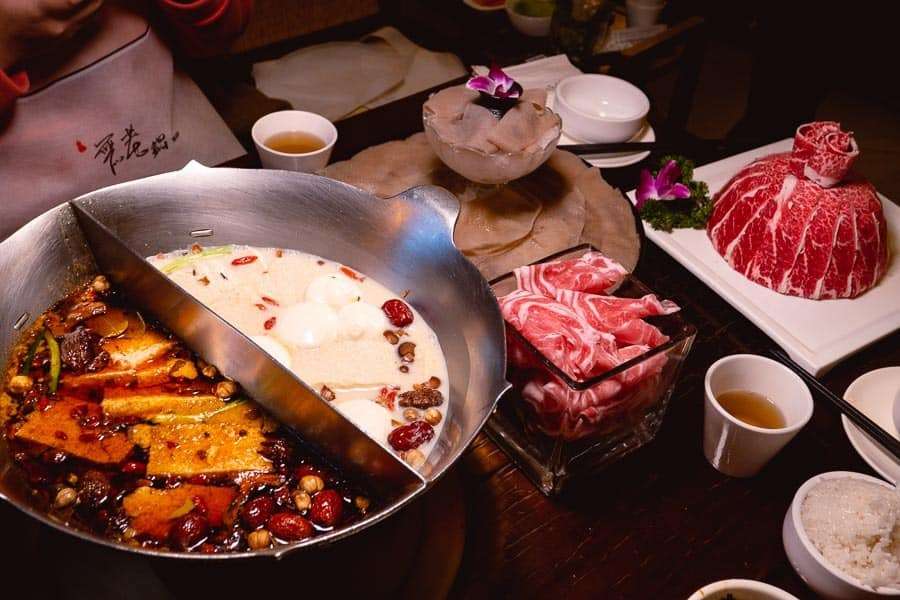
I enjoyed hotpot nights with coworkers. I loved weekend trips to Suzhou and Hangzhou. Riding the metro with music in my ears felt freeing.
But what really anchored me was the sense of safety. I could walk home alone late at night.
I could take a taxi without fear. I could explore the city independently. For a woman living abroad, this feeling was powerful.
My identity began to shift. I wasn’t just Lola from France anymore. I was 罗拉, a young woman living between two cultures, shaped by both.
Chapter 6: The Rules That Make This Journey Possible
Everything I built in China became possible because I understood the rules for foreign students working in China. Here’s what every international student must know if they want to stay after graduation:
✔ Bachelor’s degree
You must have two years of full-time work experience after graduation to get a work visa in China.
Internships, part time jobs, and pre-bachelor work do not qualify. It’s one of the strictest rules for anyone hoping to work in China after graduating with a bachelor’s.
✔ Master’s or PhD degree
Graduates can work immediately through the master’s degree China work permit. This was my path.
✔ Rare exceptions
Available only for graduates of specific elite universities working in certain Free Trade Zones. Always verify with official authorities.
Chapter 7: How to Prepare for the Chinese Job Market
Here are the steps that helped me enter the China job market for international students:
- Decide early if you wish to stay.
It affects everything from internships to language learning. - Research jobs 6–12 months ahead
I treated job descriptions as study material. - Learn Chinese
It is not always necessary, but it greatly helps in your job search. It also helps you connect with future employers in China. - Build a China-ready resume
Simple, clean, and tailored. - Apply widely
Most people don’t land their first choice. Persistence is essential.
Chapter 8: Why I Stayed
When people ask why I stayed in China, I never have a single answer. I stayed because my job challenged me.
Because my friendships here felt real. Because I felt safe, supported, and independent. Because Shanghai made me feel alive in a way I had never experienced in my home country.
China didn’t just give me a job. It gave me space to grow, a stronger sense of identity, and a new version of myself. I arrived as Lola, unsure of who I was. I stayed because I became 罗拉, someone braver, more capable, and more certain of her place in the world.
And if you’re wondering whether you also could build a life here… maybe this is your sign.
Start Your Journey to Study in China Today
Choosing to study in China is a life-changing decision that opens the door to world-class education, cultural diversity, and exciting global opportunities. Whether you’re researching top China universities or preparing your China university application, having a trusted partner can make all the difference.
At ApplyForChina, we make the process simple and stress-free. From finding the right university to submitting your application, we’re here to support you every step of the way.