
The Great Wall of China Timeline
Great Wall of China: History & Travel
The Great Wall of China (万里长城 / Wanli Changcheng) is one of the largest and most complex construction projects in human history. The Great Wall of China was built over 2,000 years ago by many dynasties.
It stretches across the northern border of China. The wall served as a military defensive system and a way to control borders. It also symbolized imperial power.
Today, the Great Wall of China is a UNESCO World Heritage Site. A famous cultural landmark and one of the most visited historical sites in the world.
This article covers:
- A full great wall timeline of the Great Wall of China
- Which dynasties built and expanded it, including the Qin dynasty great wall, Han dynasty great wall, and Ming dynasty great wall
- why was the great wall built
- how long did it take to build the great wall
- Which sections are most famous, including badaling great wall, mutianyu great wall, and jinshanling great wall
- best time to visit the great wall and how to get to the great wall from beijing
- Frequently asked questions about the Great Wall of China

Why Was the Great Wall of China Built?
People built the Great Wall of China for military, political, economic, and administrative reasons. Its role changed over time, but it always helped with border management, population control, and imperial security. It was never just a physical barrier.
The main purposes were:
1. Defense Against Northern Nomadic Invasions
One main reason was to protect China against attacks from nomadic groups. These groups included the Xiongnu, Khitan, Jurchens, Turks, and Mongols along the northern border.
These groups were highly mobile, relied on cavalry warfare, and frequently raided farming settlements for food, animals, and resources. The Wall:
- Slowed the speed of cavalry attacks.
- Forced invading forces to funnel through specific mountain passes, where Chinese armies could concentrate defenses.
- Made large-scale unexpected invasions more difficult by creating early warning zones.
Instead of being a strong barrier, the Wall acted as a way to delay and detect enemies. This gave defenders time to get ready.
2. Protection of Agricultural Lands and Settled Populations
Northern China was (and is) heavily agricultural. Raids often targeted:
- Crops
- Livestock
- Villages and towns
The Wall created a buffer zone between nomadic grazing lands and settled farming regions. This:
- Reduced the frequency of raids on rural populations.
- Stabilized food production.
- Protected tax-paying farming communities that were essential to the empire’s economy.
By protecting farmers, the Wall indirectly protected state revenue and food security.

3. Control of Migration, Trade, and Cross-Border Movement
The Great Wall of China functioned as a controlled border, not just a military line.
It regulated:
- Who could enter or leave the empire.
- When caravans could cross.
- What goods and animals could pass.
Movement was channeled through fortified gates and passes, such as Juyong Pass and Shanhai Pass, where officials could:
- Check travel permits
- Collect taxes or tolls
- Inspect goods
- Monitor population movement
This prevented uncontrolled migration, smuggling, illegal trade, and unregistered movement of people across imperial borders.
In this way, the Wall acted as an early form of border control and customs system.
4. Military Communication and Logistics System
The Wall was also an integrated military infrastructure.
It included:
- Beacon towers and watchtowers
- Signal towers
- Fortresses
- Barracks
- Supply depots
Beacon fires, smoke signals, and flags were used to send rapid warnings over hundreds of kilometers. For example:
- One smoke signal = enemy sighted
- Multiple signals = size or urgency of the threat
This allowed commanders to:
- Mobilize troops quickly
- Coordinate responses across long distances
- Maintain communication without messengers
The Wall functioned as a military communication network, not merely a physical obstacle.
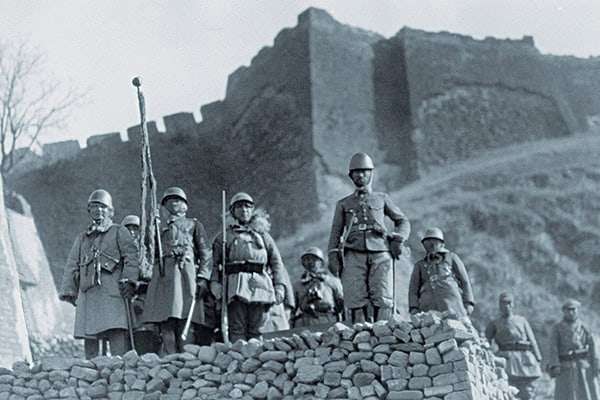
5. Symbol of Authority and Territorial Boundaries
The Wall physically marked the edge of imperial control. It defined:
- Where imperial law applied
- Where taxation and administration ended
- Where “inside civilization” transitioned into “outside territories”
By building and maintaining such a massive structure, emperors demonstrated:
- Their ability to mobilize labor and resources
- Their control over distant frontiers
- Their responsibility as protectors of the population
The Wall was a political and psychological symbol of power. It showed the emperor’s role as the protector of the land.
Timeline of the Great Wall of China
People built and changed the Great Wall of China over about 2,300 years. They built it from the 7th century BCE to the 17th century CE.
Warring States Period (475–221 BCE)
- States like Qin, Zhao, Yan, Wei constructed border walls for territorial defense.
Qin Dynasty (221–206 BCE)
- Emperor Qin Shi Huang unified existing walls into one northern defense line.
- The government conscripted hundreds of thousands of workers.
- The foundation of the “10,000-Li Long Wall” was built.
Han Dynasty (206 BCE–220 CE)
- The wall extended westward into Gansu and Xinjiang.
- Protected the Silk Road and controlled trade and migration.
Ming Dynasty (1368–1644)
- The most famous and well-preserved phase.
- Built with bricks and stones instead of rammed earth.
- Added watchtowers, fortresses, and mountain ridge routes.
- Famous sections like badaling great wall, mutianyu great wall, and jinshanling great wall date from this period.
How Long Is the Great Wall of China?
- total length: over 21,000 km (13,000 miles) including all historical sections.
- ming great wall alone: about 8,850 km (5,500 miles).
- About 70% of the construction consists of walls, while the rest features natural terrain such as mountains, rivers, and the gobi desert.
Best Time to Visit the Great Wall of China
Best times to visit:
- Spring (April–May) – Mild weather, blooming landscapes
- Autumn (September–October) – Clear skies, fall foliage
Avoid:
- Summer holidays (July–August): extreme crowds and heat
- Chinese national holidays (especially Golden Week in October)
How to Get to the Great Wall of China from Beijing
- High-speed train from Beijing North Station (~30 minutes)
- Tourist bus from Deshengmen
To mutianyu great wall:
- Bus + shuttle from Dongzhimen
- Taxi or private tour (~1.5 hours)
FAQs About the Great Wall of China
Can you see the Great Wall from space?
No. A popular myth claims that the Great Wall of China is visible from space with the naked eye. This is not true. Astronauts have repeatedly confirmed that it is usually not visible from low Earth orbit with the naked eye either.
How many people died building the Great Wall?
Estimates suggest hundreds of thousands died from exhaustion, accidents, and harsh conditions.
Is the Great Wall one continuous wall?
No. It is a system of walls, trenches, forts, and natural barriers built over different periods.
What materials were used to build it?
Rammed earth, stone, bricks, wood, reeds, and later lime-brick composites.
Why didn’t the Great Wall stop all invasions?
It slowed invasions and controlled movement but could not prevent large-scale military campaigns or internal betrayal.
What is the Chinese name of the Great Wall?
万里长城 (Wanli Changcheng), meaning “Ten-Thousand-Li Long Wall.”
Is the Great Wall still being restored?
Yes. Conservation efforts continue to prevent erosion, collapse, and damage from tourism.
Start Your Journey to Study in China Today
Choosing to study in China is a life-changing decision that opens the door to world-class education, cultural diversity, and exciting global opportunities. Whether you’re researching top China universities or preparing your China university application, having a trusted partner can make all the difference.
At ApplyForChina, we make the process simple and stress-free. From finding the right university to submitting your application, we’re here to support you every step of the way.