
Best Music Schools in China: The Nine Major Conservatories

The best music schools in China include nine leading specialist institutions known as the “Nine Major” (九大音乐学院). They train students in classical music, traditional Chinese music, pop, composition, and performance.
This guide compares their programs, tuition, admissions, scholarships, and career paths for students who want to study in China.
Quick Answer: What Are the Best Music Schools in China?
The best music schools in China are the Nine Major Conservatories. They are Central, Shanghai, Sichuan, Tianjin, Xi’an, Xinghai, Shenyang, Wuhan, and Zhejiang.
Central and Shanghai have major strengths in classical performance and composition.
Best Music Schools in China: The Nine Major Conservatories
These specialist music colleges differ from a comprehensive Chinese university because they focus mainly on performance, composition, music studies, and professional training.
| Conservatory | City | Founded | Known For |
| Central Conservatory of Music | Beijing | 1940 | Classical performance, composition, music studies |
| Shanghai Conservatory of Music | Shanghai | 1927 | Jazz, film scoring, East-West fusion |
| Sichuan Conservatory of Music | Chengdu | 1939 | Vocal performance, opera, pop music |
| Tianjin Conservatory of Music | Tianjin | 1958 | Woodwind and early music |
| Xi’an Conservatory of Music | Xi’an | 1949 | Traditional Chinese instruments |
| Xinghai Conservatory of Music | Guangzhou | 1932 | Pop music, jazz, music technology |
| Shenyang Conservatory of Music | Shenyang | 1938 | Orchestral and brass training |
| Wuhan Conservatory of Music | Wuhan | 1953 | Music education, composition |
| Zhejiang Conservatory of Music | Hangzhou | 2016 | Piano, chamber music, digital music |
1. Central Conservatory of Music, Beijing
中央音乐学院 | Zhōngyāng Yīnyuè Xuéyuàn
Central Conservatory of Music, Beijing (中央音乐学院) is China’s top music school, founded in 1940.
- Known for: Composition and classical performance, with alumni like pianist Lang Lang
- Notable feature: Runs four on-campus research institutes, including a dedicated Voice Research Center
2. Shanghai Conservatory of Music (SHCM), Shanghai
上海音乐学院 | Shànghǎi Yīnyuè Xuéyuàn
Founded in 1927, Shanghai Conservatory of Music (SHCM) is China’s oldest modern music school.
- Known for: Jazz and film scoring, with alumni like Oscar winner Tan Dun
- Global standing: #9 in the QS World University Rankings by Subject 2026 for Performing Arts
- International reach: About 79 international students from roughly 20 countries study here
3. Sichuan Conservatory of Music, Chengdu
四川音乐学院 | Sìchuān Yīnyuè Xuéyuàn
Sichuan Conservatory in Chengdu is especially strong in vocal performance, opera, and folk singing.
- Known for: Voice and opera, folk vocal training, and a growing pop music program
- Pop alumni: Singers Li Yuchun and Tan Weiwei both trained here before going mainstream
4. Tianjin Conservatory of Music, Tianjin
天津音乐学院 | Tiānjīn Yīnyuè Xuéyuàn
Tianjin Conservatory, near Beijing, focuses on early music and woodwind performance.
- Known for: Wind instruments, orchestral studies, and small, close-knit classes
- Global partner: Runs a joint Tianjin Juilliard School with New York’s famed Juilliard
5. Xi’an Conservatory of Music, Xi’an
西安音乐学院 | Xī’ān Yīnyuè Xuéyuàn
Xi’an Conservatory, in one of China’s ancient capitals, specializes in traditional Chinese music, including instrumental traditions and Chinese song.
- Known for: Traditional instruments like the guzheng, erhu, and pipa
- Notable figure: Longtime home to celebrated film composer Zhao Jiping (Raise the Red Lantern)
6. Xinghai Conservatory of Music, Guangzhou
星海音乐学院 | Xīnghǎi Yīnyuè Xuéyuàn
Named after composer Xian Xinghai, this Guangzhou school leads in pop music, jazz, and music technology.
- Known for: Pop performance, with alumni like singer-songwriter Zhou Bichang (周笔畅)
- History: Founded in 1932 by composer Ma Sicong, predating most of the Nine Major
7. Shenyang Conservatory of Music, Shenyang
沈阳音乐学院 | Shěnyáng Yīnyuè Xuéyuàn
Shenyang Conservatory, in northeast China, leads in orchestral music and brass training.
- Known for: Orchestral training and strength in contemporary classical music
- Origin story: Traces back to a 1938 academy founded by Mao Zedong and Zhou Enlai
8. Wuhan Conservatory of Music, Wuhan
武汉音乐学院 | Wǔhàn Yīnyuè Xuéyuàn
Wuhan Conservatory, in central China, trains students in performance, composition, and music education in China.
- Known for: Teacher training, with a growing composition department
- Roots: Formed from six merged schools, including one originally based in Hong Kong
9. Zhejiang Conservatory of Music, Hangzhou
浙江音乐学院 | Zhèjiāng Yīnyuè Xuéyuàn
Zhejiang Conservatory opened in 2016, making it the newest of the Nine Major.
- Known for: Piano, digital music, and a modern, high-tech campus in Hangzhou
- Global partner: Partners with Austria’s Mozarteum University to exchange students and faculty
Top Programs at the Best Music Schools in China
Each school has one or two programs it does better than the rest. Here’s a quick guide:
| Program | Best School | Why |
| Classical performance | Central Conservatory | Top faculty, Lang Lang alumni, four research institutes |
| Film scoring and composition | Shanghai Conservatory | Tan Dun alumni, East-West fusion approach |
| Traditional Chinese instruments | Xi’an Conservatory | Deep focus on guzheng, erhu, and folk heritage |
| Vocal performance and opera | Sichuan Conservatory | Strong opera tradition, mainstream pop alumni |
| Piano and chamber music | Zhejiang Conservatory | Modern campus, Mozarteum University partnership |
| Pop music and music technology | Xinghai Conservatory | Industry ties, pop production focus |
| Orchestral training | Shenyang + Tianjin | Brass strength, Juilliard partnership at Tianjin |
What Are the Differences Between the Shanghai and Beijing Conservatories of Music?
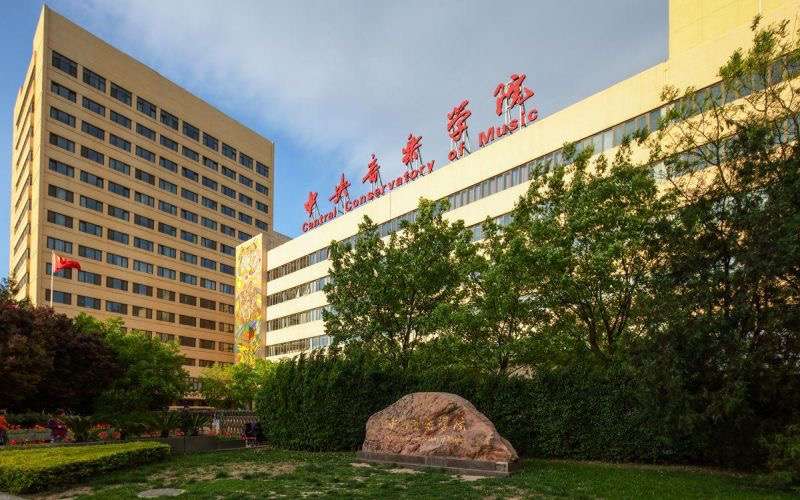
This is one of the most searched questions about music study in China. Both schools have strong reputations, but their academic strengths differ.
Central Conservatory of Music in Beijing focuses on the Western classical tradition. The school is highly competitive for classical performance and offers a rigorous, research-focused environment.
Shanghai Conservatory of Music blends Eastern and Western styles. Founded on a European model, it later developed strengths in jazz, film scoring, and cross-genre work. The school also supports creative experimentation.
Students focused on classical performance may prefer Central Conservatory. Those seeking greater stylistic flexibility and a more international setting may prefer Shanghai Conservatory.
Which Conservatory in China Is Best for Classical Music Studies?
Central Conservatory of Music in Beijing is a leading school for classical music. Its alumni include pianist Lang Lang, and its faculty members include established performers and researchers.
For classical performance, Central and Shanghai Conservatory are the main options discussed in this guide. Shenyang and Tianjin also offer strong orchestral training.
How Do I Apply to the Central Conservatory of Music in Beijing?
International applicants should first check the current program and audition requirements.
- Prepare your audition. Performance applicants may need a live or recorded audition.
- Prepare your documents. These can include transcripts, a passport, a personal statement, and proof of language ability.
- Submit your application. Check the university’s current deadline and admission notice.
- Complete the audition or interview. Requirements vary by program.
Applicants can also contact Apply for China for help preparing their application and audition timeline.
Beyond the Nine Major: China Conservatory of Music
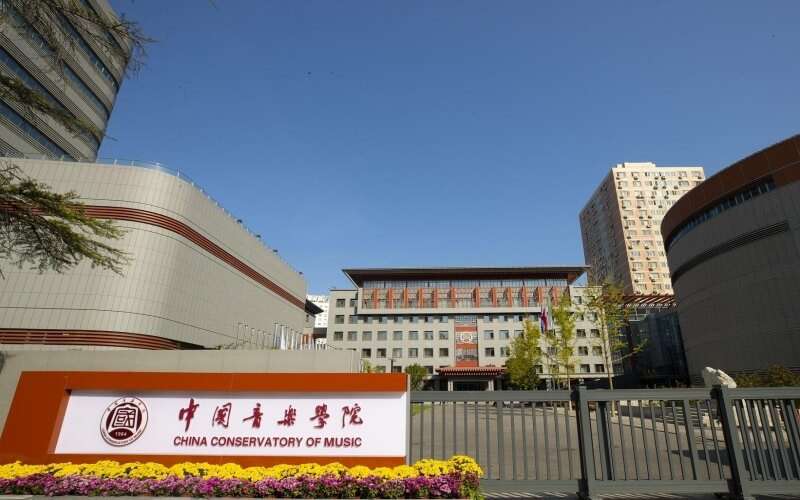
China Conservatory of Music (中国音乐学院) opened in 1964. It focuses on traditional Chinese musical instruments such as the erhu, suona, and pipa.
Many students search for the China Conservatory of Music and assume it’s the same as Central Conservatory. These are two distinct Beijing schools with similar English names.
It also offers English-taught bachelor’s and master’s study in Music Performance.
- Not one of the official Nine Major, but a respected college of music for traditional instruments
- Admission requires an audition, in Beijing or at select international locations
- Applicants submit an application, transcript, audition recording, and personal statement
- Fun fact: Its basketball and volleyball teams have both won national CUBA titles
This school suits students drawn to traditional Chinese instruments over Western classical training. Some older lists count it among the Nine Major instead of Zhejiang, which only became independent in 2016.
Tuition Fees and Scholarships
Tuition for international students varies by school and degree level, within a similar overall range.
| Degree Level | Typical Annual Tuition (CNY) | Typical Annual Tuition (USD) |
| Bachelor’s | ¥20,000–¥38,000 | $2,800–$5,300 |
| Master’s | ¥27,000–¥40,000 | $3,800–$5,600 |
Several scholarships can offset these costs:
- Chinese Government Scholarship (CSC): Full or partial tuition, housing, and a stipend.
- Confucius Institute Scholarship: A strong option if combining music study with Chinese language learning.
- School-specific scholarships: Many offer tuition waivers for top audition scores.
Career Opportunities for Music Graduates of The Best Music Schools in China
Graduates from China’s top music schools build careers in China and abroad.
- Orchestras: Graduates join groups such as the China Philharmonic and Shanghai Symphony Orchestra.
- Teaching: Many teach at music schools or private studios
- Film and TV scoring: Shanghai Conservatory alumni like Tan Dun show this path’s reach
- Pop music: Xinghai graduates often move into mainstream pop and production
Final Thoughts: Start Your Music Journey in China
The right music school depends on your goals. Some conservatories specialize in classical performance, while others are stronger in traditional Chinese music, pop, or production.
Each of the Nine Major Conservatories offers a different path.
Apply for China today, and we’ll help you find the right school and guide you through your application.
Frequently Asked Questions
China’s Nine Major Conservatories are Central, Shanghai, Sichuan, Tianjin, Xi’an, Xinghai, Shenyang, Wuhan, and Zhejiang. Together, they represent many of the best music schools in China.
Central Conservatory in Beijing leads in rigorous classical training. Shanghai Conservatory blends Eastern and Western styles, with strengths in jazz, film scoring, and cross-genre work. Shanghai is also ranked #9 globally for Performing Arts by QS (2026).
Central Conservatory of Music in Beijing. It has the strongest classical faculty and alumni network in China, including pianist Lang Lang.
No. They’re two separate Beijing schools. Central focuses on Western classical training; China Conservatory of Music focuses on traditional Chinese music.
Not for every program. China Conservatory of Music’s Music Performance degree runs fully in English. Most other programs are Chinese-taught and require HSK proficiency.
Tuition typically runs ¥20,000–¥40,000 per year ($2,800–$5,600), depending on the school and degree level.
Yes, including the Chinese Government Scholarship (CSC), the Confucius Institute Scholarship, and school-specific awards.