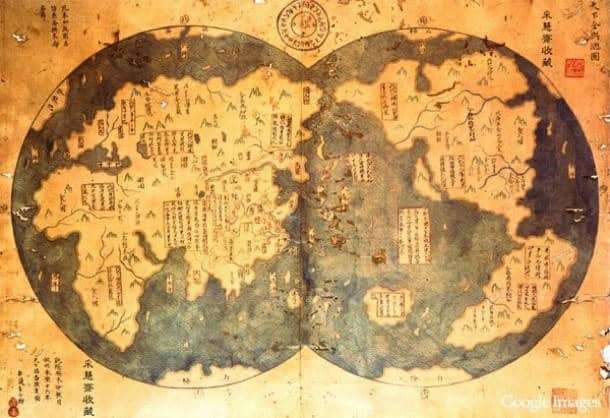
Geographical of China
- Geographical of China
- Exploring China’s Economic and Financial Geography
- China Geography: A Tapestry of Natural Beauty and Diversity
- China Geography: High in the West, Low in the East, and Terrace-like Distribution
- The Impact of China's Terrain on Climate and Hydrology
- Finances and Living Costs: A Comparison of City Tiers
- Exploring China’s Economic Hubs: Key Drivers of Growth
Let’s explore China’s geography through its vast landscapes and booming economy, where mountains meet innovation and global trade! From the Pearl River Delta to the Greater Bay Area, China blends tradition with modernity and endless potential.
Exploring China’s Economic and Financial Geography
China Geography: A Tapestry of Natural Beauty and Diversity
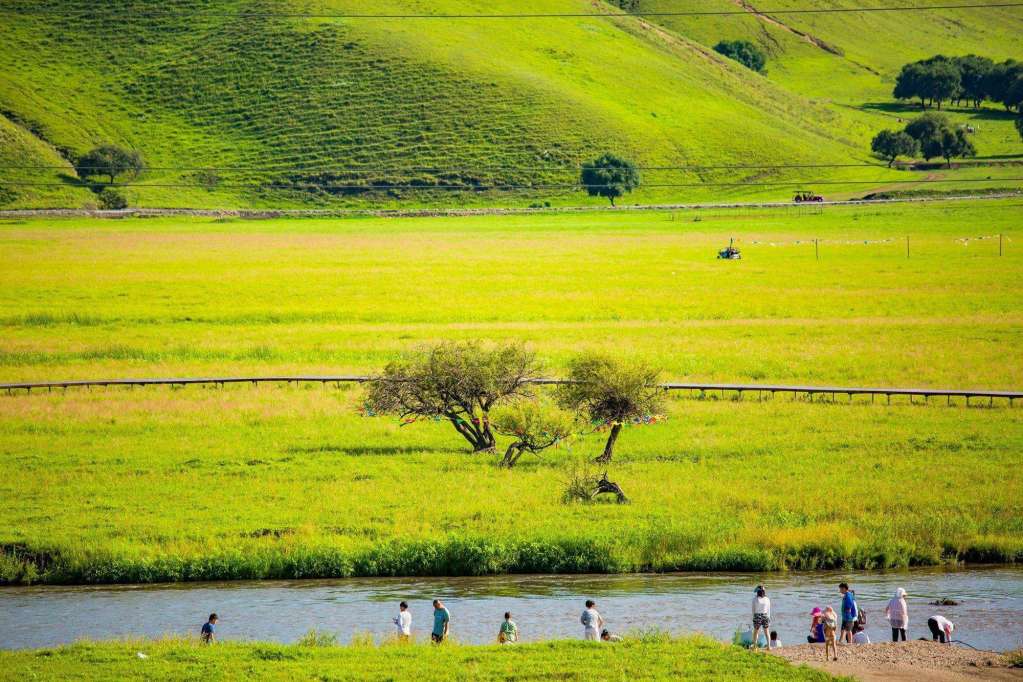
Diverse and complex terrain is a key feature of China geography, it has a vivid natural landscape. Its unique distribution shapes not only the country’s scenery but also its climate, hydrology, ecosystems, and human activities.

China geography includes plains, plateaus, hills, basins, and numerous mountains. for instance mountains account for 33%, plateaus for 26%, basins for 19%, plains for 12%, and hills for 10%.
China Geography: High in the West, Low in the East, and Terrace-like Distribution
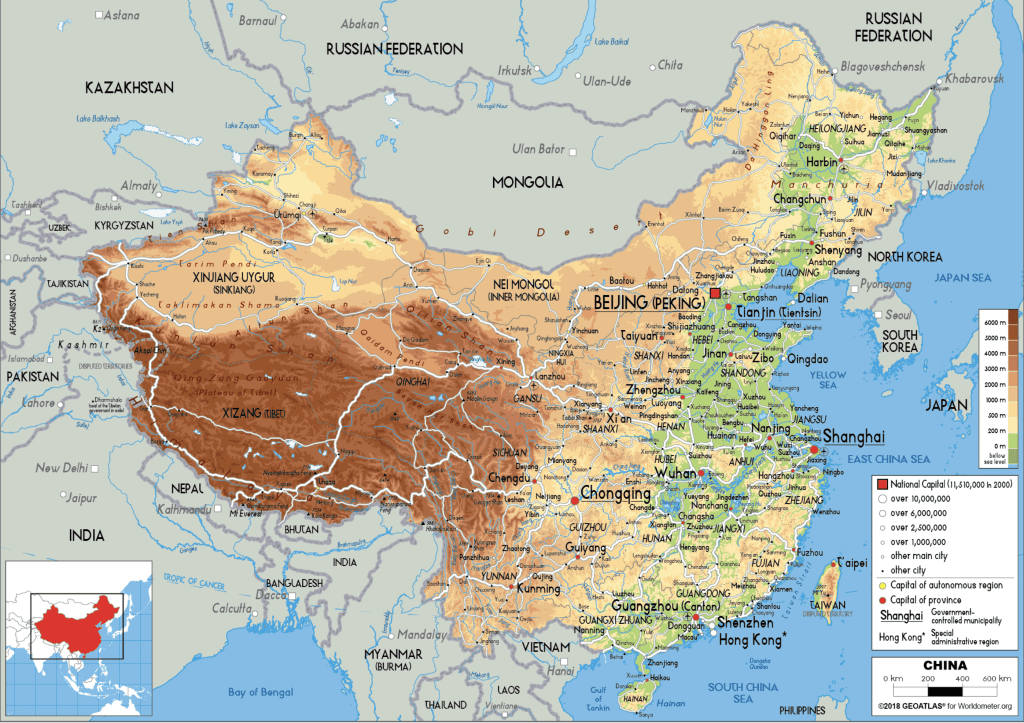
- The Qinghai-Tibet Plateau is the first terrace, with an average elevation above 4000 meters.
- The area to the west of the line formed by the Greater Khingan Range, Taihang Mountains, Wushan Mountains, and Yunnan-Guizhou Plateau is the second terrace with elevations ranging from 1000 to 2000 meters, mainly consisting of plateaus and basins.
- East of the second terrace, elevations are below 500 meters, primarily consisting of hills and plains.
Main Landforms of China
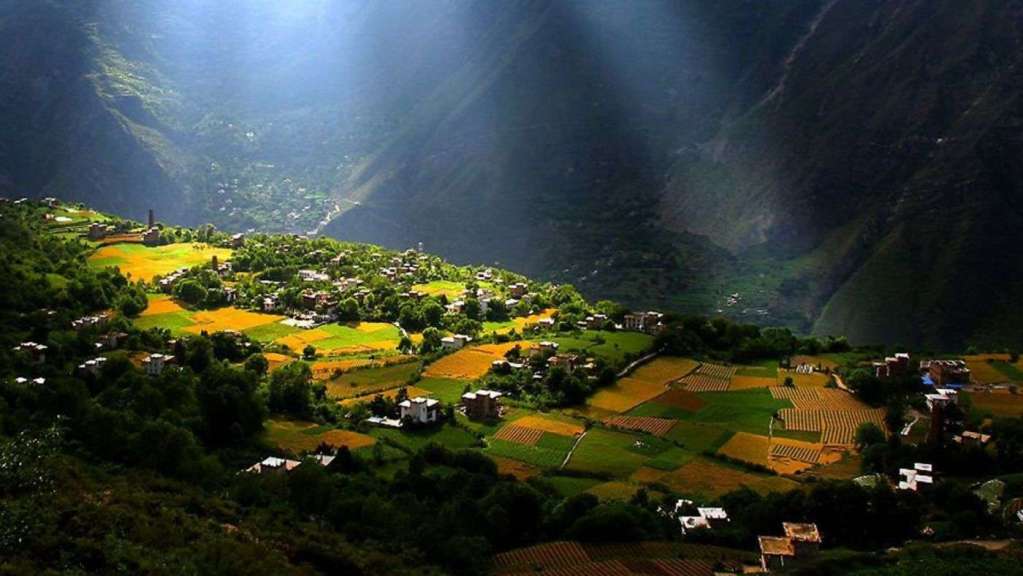
- Four Major Plateaus: The Qinghai-Tibet Plateau, Inner Mongolia Plateau, Loess Plateau, and Yunnan-Guizhou Plateau. The Qinghai-Tibet Plateau is the highest in the world, with an average elevation above 4000 meters.
- Four Major Basins: The Tarim Basin, Junggar Basin, Qaidam Basin, and Sichuan Basin, located in the second terrace of China’s terrain.
- Three Major Plains: The Northeast Plain, North China Plain, and the Middle and Lower Yangtze Plain which are crucial agricultural regions with fertile soil.
- Three Major Hills: The Liaodong Hills, Shandong Hills, and Southeastern Hills, with dense forests, rich minerals, and some areas used for terracing.
- Mountain Distribution: China’s mountains mainly run in east-west and northeast-southwest directions with major ranges including the Tianshan-Yinshan, Kunlun-Qinling, and Nanling Mountains.
The Impact of China’s Terrain on Climate and Hydrology
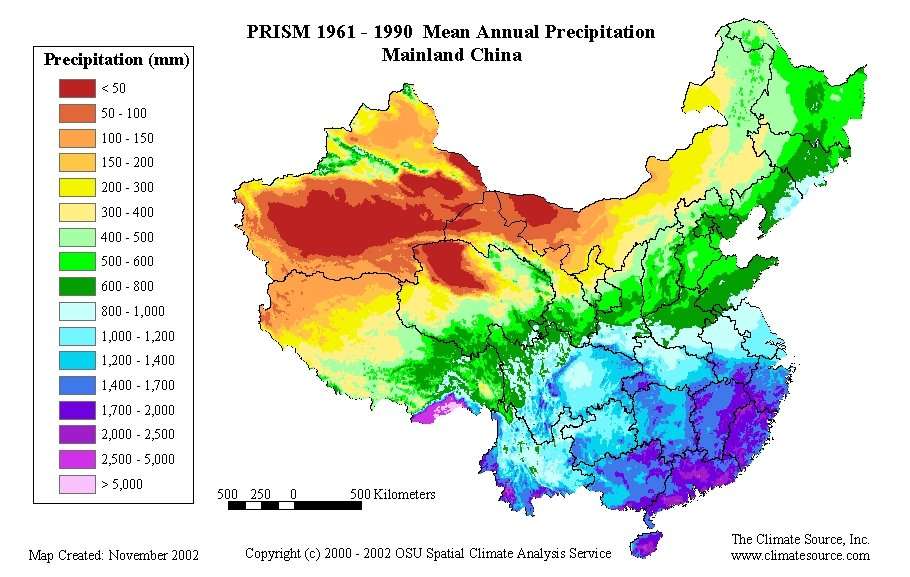
The terrain of China geography, characterized by a high west and low east, with a gradual decline toward the ocean, influences its climate and hydrology.
This topography allows warm, moist oceanic air from the southeast to penetrate inland, deeply affecting the climate in eastern China.
At the same time, it creates significant multi-level drops in rivers flowing eastward, resulting in abundant hydroelectric resources.
Finances and Living Costs: A Comparison of City Tiers
First-tier cities:
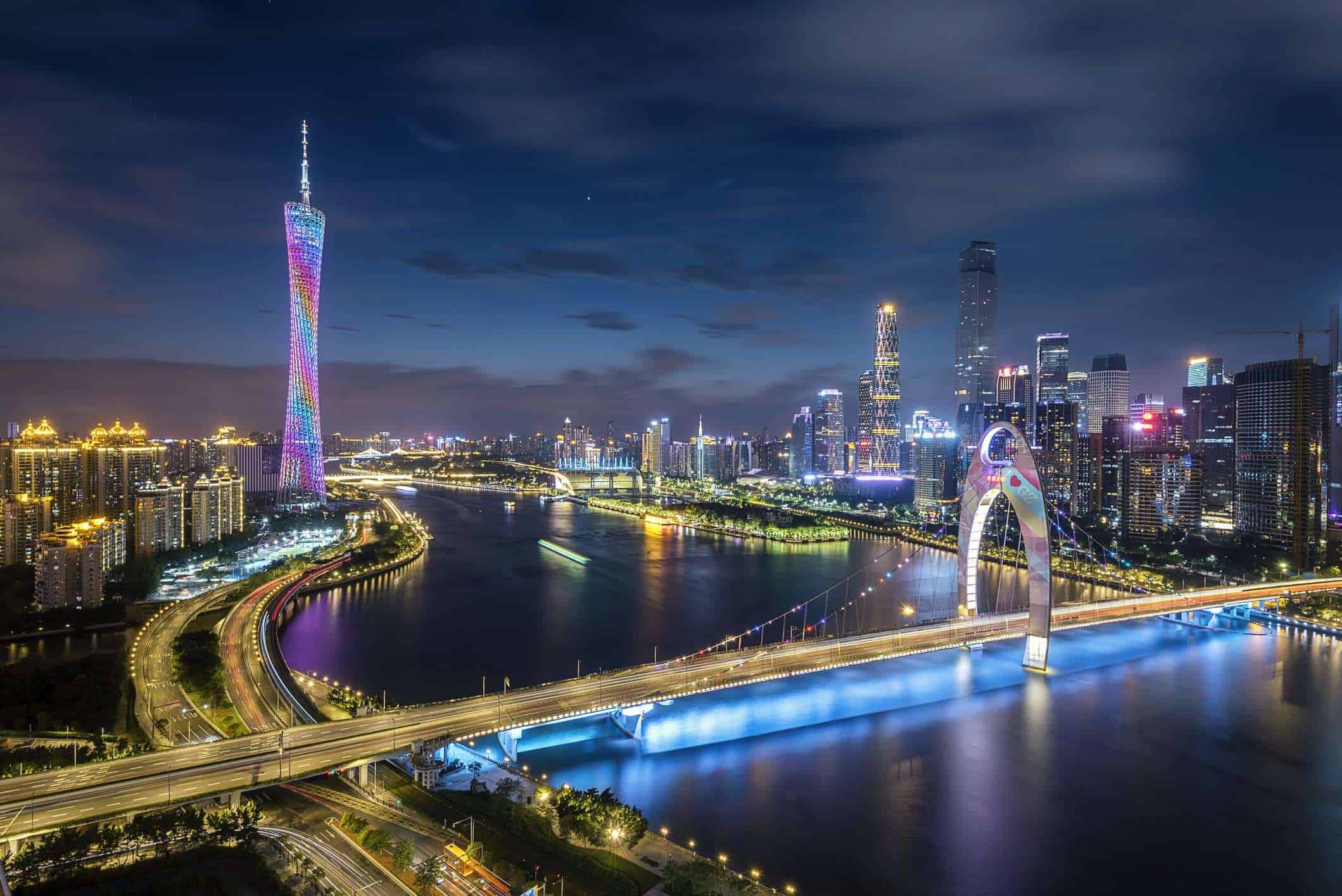
- Beijing, Shanghai, Guangzhou, Shenzhen
- These cities are the most developed and economically influential in China. Furthermore, they are major hubs for finance, politics, and culture, with high international recognition.
Second-tier cities:
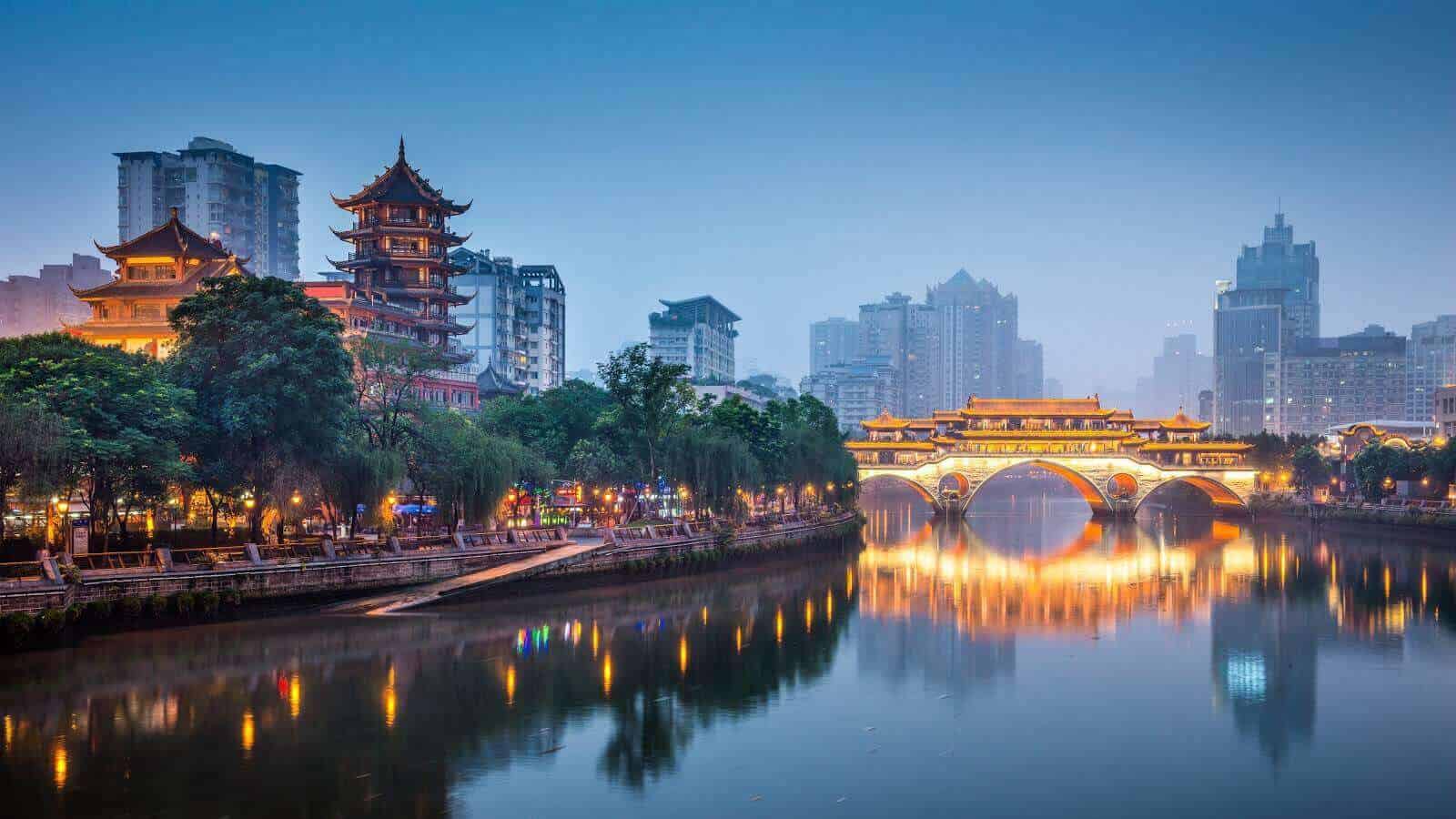
- Chengdu, Hangzhou, Nanjing, Wuhan, Xi’an, Suzhou
- These cities have strong economies, well-developed infrastructure, and play significant roles in their regions. In addition, are becoming increasingly important in terms of business and innovation.
Third-tier cities:
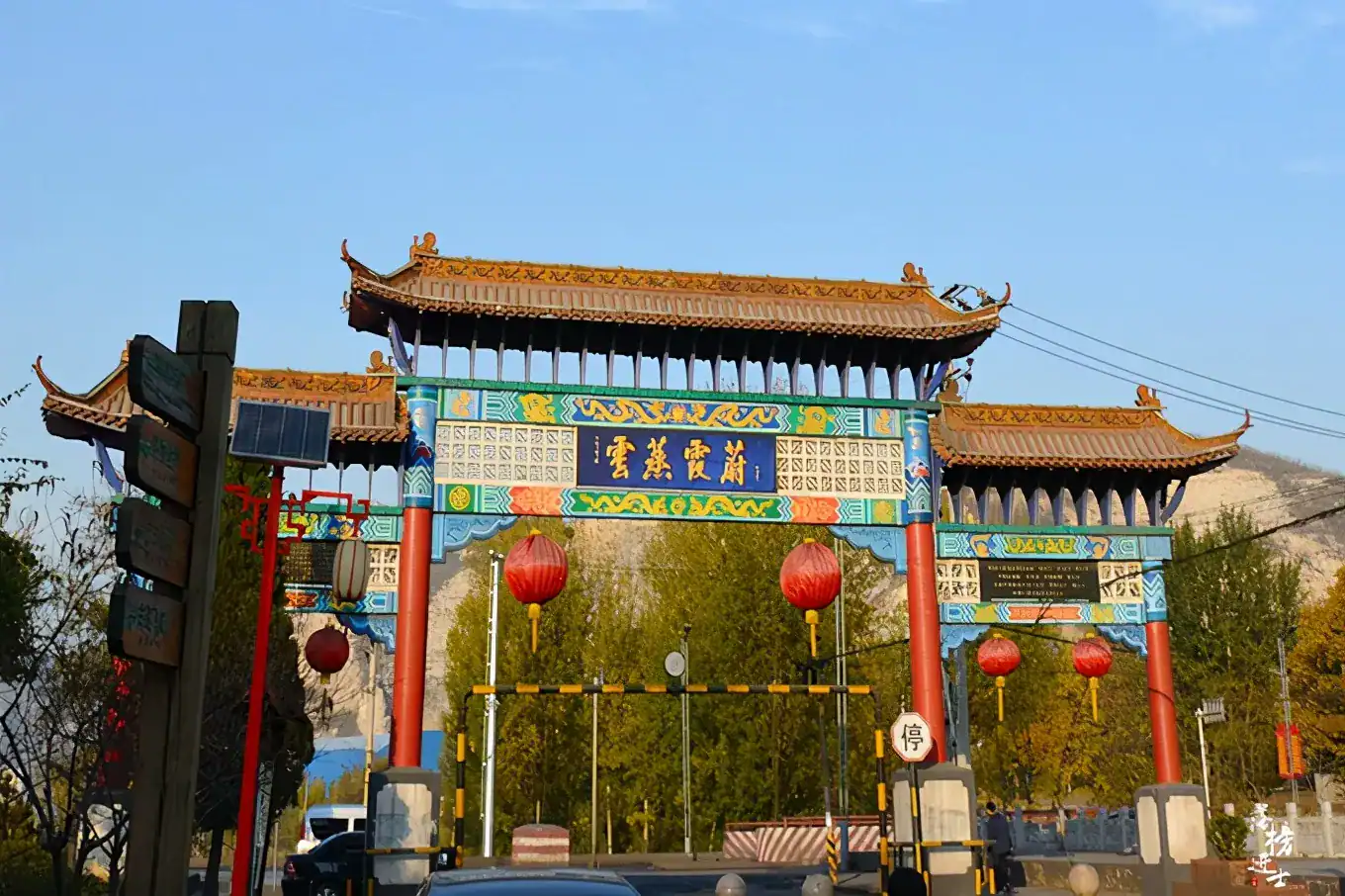
- Zhengzhou, Shijiazhuang, Changsha, Harbin
- These cities are less developed than second-tier cities but have growing economies and are important regional centers. Moreover, they often have large populations and emerging industries.
Fourth-tier cities:
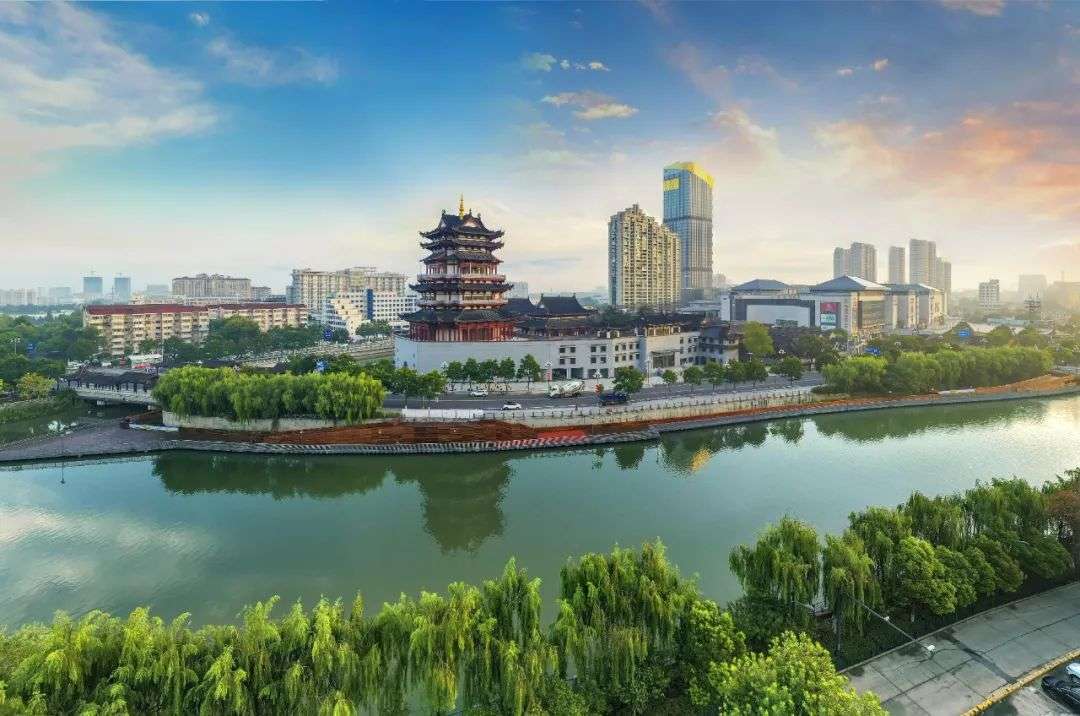
- Smaller cities such as Jining, Yancheng, Linyi
- These are smaller cities with less economic development and infrastructure while they generally play a smaller role in national and regional economies.
Comparison of Living Costs Across City Tiers
| Tier | First-tier | Second-tier | Third-tier | Fourth-tier |
| Housing Costs | One-bedroom Apartment in Central: 5,000-12,000 CNY/month | One-bedroom apartment: 2,000-5,000 CNY/month | One-bedroom apartment: 1,500-3,500 CNY/month | One-bedroom apartment: 1,000-2,500 CNY/month, Suburban area: 700-15,00 CNY/month |
| Transportation | Metro and Bus: 300 CNY/month Bike and E-Scooters: 1-3 CNY per 30 minutes | Metro and Bus: 2-5 CNY/trip | Metro and Bus: 1-3 CNY/trip | Metro and Bus: 1-2 CNY/trip, some cities have limited or no metro systems Bike and E-Scooters: 0.5-2 CNY per 30 minutes |
| Food and Dining | Depend on lifestyle but Guangzhou can be really affordable | 50-100 RMB/pax, groceries are generally affordable | Local Restaurant: 20-50 CNY/pax | Street Foods and Local Market: 5-15 CNY Casual Restaurant: 15-30 CNY |
| Salaries | Approximately 15,000 CNY | 7,000-10,000 CNY | 4,000-6,000 CNY | 3,000-5,000 CNY Public Sector Job: 4,000-6,000 CNY |
| Healthcare | Public Heathcare: 100-300 CNY per consultation Basic Treatment: 50-200 CNY | Public Healthcare: 50-150 CNY per consultation | Public Healthcare: 30-100 CNY per consultation | Public Healthcare: 20-80 CNY per consultation |
| Leisure and Entertainment | Gym Membership: 300-800 CNY/month Cinema Ticket: 50-80 CNY | Gym or Swimming Pools: 100-300 CNY/month Cinema Ticket: 30-60 CNYKTV or local Theatre:50-150 CNY | Movie Ticket: 20-30 CNYKTV:30-100 CNY Shopping: Budget-friendly brand. Public spaces are free either with entry fees: 20-50 CNY | Parks and Public Spaces: Often free an 5-20 CNY Cinemas and Theatre: 20-40 CNY |
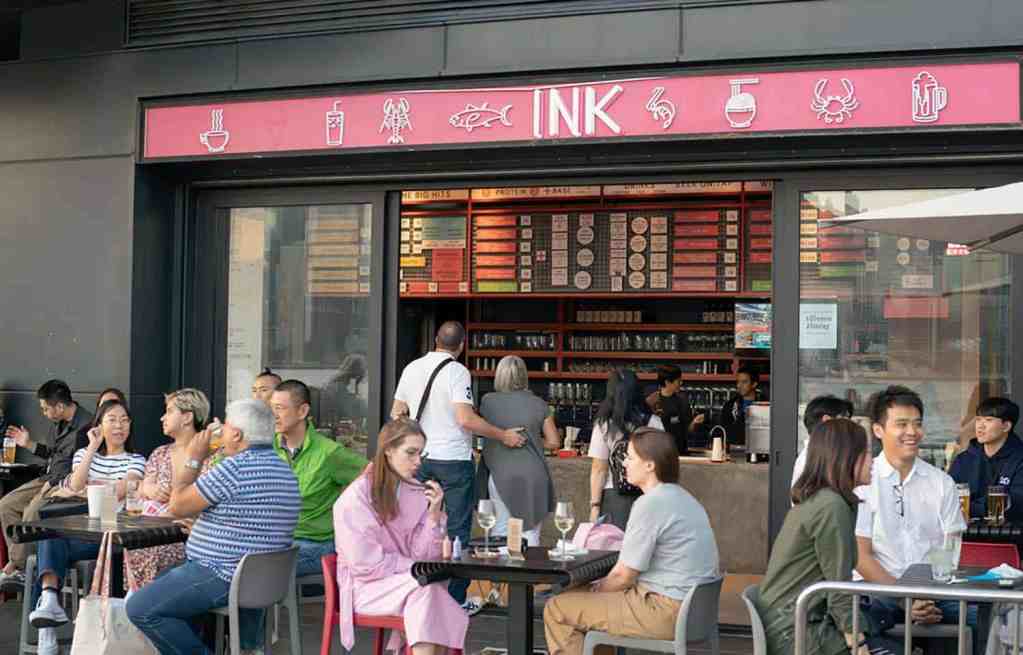
Exploring China’s Economic Hubs: Key Drivers of Growth
Beijing-Tianjin-Hebei is a key northern China region, comprising Beijing, Tianjin, and Hebei:
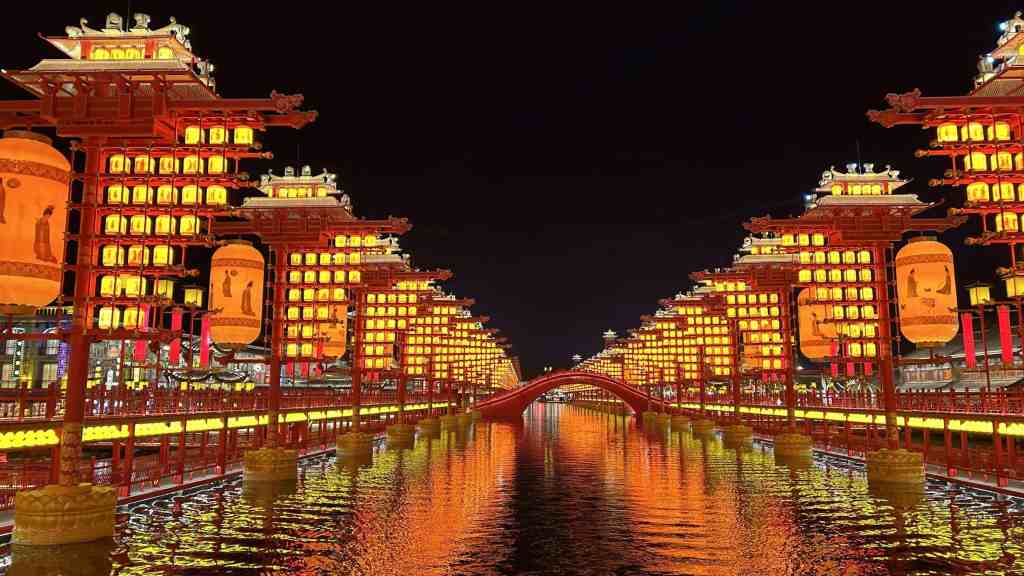
In 2022, the combined GDP of Beijing, Tianjin, and Hebei reached approximately 9.3 trillion RMB, accounting for about 12% of China’s total GDP. In addition, the total population of the Beijing-Tianjin-Hebei region exceeds 110 million people.
- Economic Hub: Beijing as the national political and cultural center, Tianjin driving heavy industries, and Hebei supporting manufacturing and high-tech industries.
- Transportation and Connectivity:
- The region is a major transportation corridor, with Beijing’s international airport, Tianjin’s seaport, and Hebei’s rail and road networks facilitating smooth goods and passenger movement.
- The Beijing-Tianjin-Hebei Integrated Transport System is boosting logistics and business operations. Furthermore the Beijing-Tianjin High-Speed Railway allows travel between the two cities in under 30 minutes.
- Educational and Research Powerhouse:
- Beijing is home to China’s leading educational institutions, such as Tsinghua University and Peking University, driving innovation and research.
- Tianjin and Hebei also boast strong universities and research institutions, contributing to the region’s academic and scientific growth.
- Tech and Innovation:
- Beijing, as a major tech hub, fosters startups and hosts global giants in tech and innovation, such as Baidu, Alibaba, and Xiaomi.
- Tianjin and Hebei contribute with growing high-tech industries that creating a powerful regional innovation ecosystem.
- Environmental Efforts:
- Beijing has implemented policies to reduce PM2.5 air pollution, achieving a 23% reduction in PM2.5 levels from 2013 to 2020.
- Hebei, known for heavy industry not only has committed to cutting carbon emissions by 30% by 2025 but also focusing on cleaner energy and green manufacturing practices.
- The region has introduced green building initiatives and electric vehicle infrastructure, with Beijing aiming to have 500,000 electric vehicles by 2025.
The Yangtze River Delta
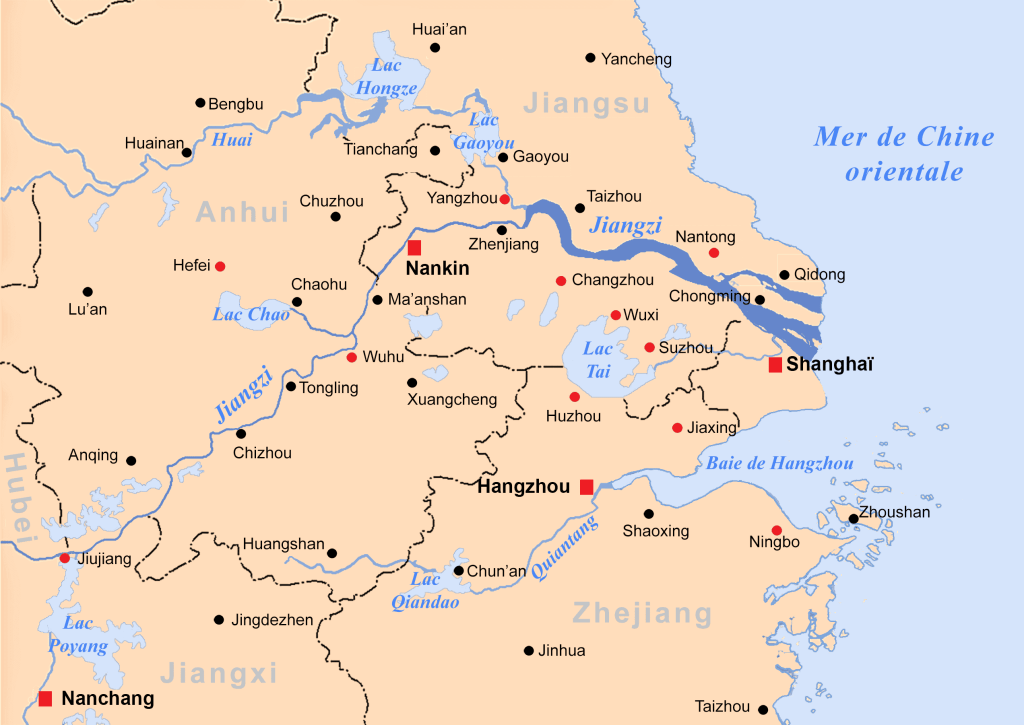
The Yangtze River Delta, including Shanghai and surrounding areas is a key economic region and global trade hub.
The region boasts diverse industries, including high-tech manufacturing, e-commerce, and finance, with innovation hubs like Alibaba in Hangzhou driving growth.
Infrastructure investments, like high-speed rail and expressways, strengthen regional integration, positioning the Yangtze River Delta as a dynamic economic powerhouse.
Government initiatives like the “Yangtze River Delta Integration Plan” drive coordinated development, green tech, trade, and economic growth.
The Pearl River Delta
The Pearl River Delta is a prominent region in southern China, centered around the Pearl River. Itincludes major cities like Guangzhou, Shenzhen, Hong Kong, and Macau. It is known for its rapid economic development, in other words, the area is a significant hub for trade, manufacturing, and finance.
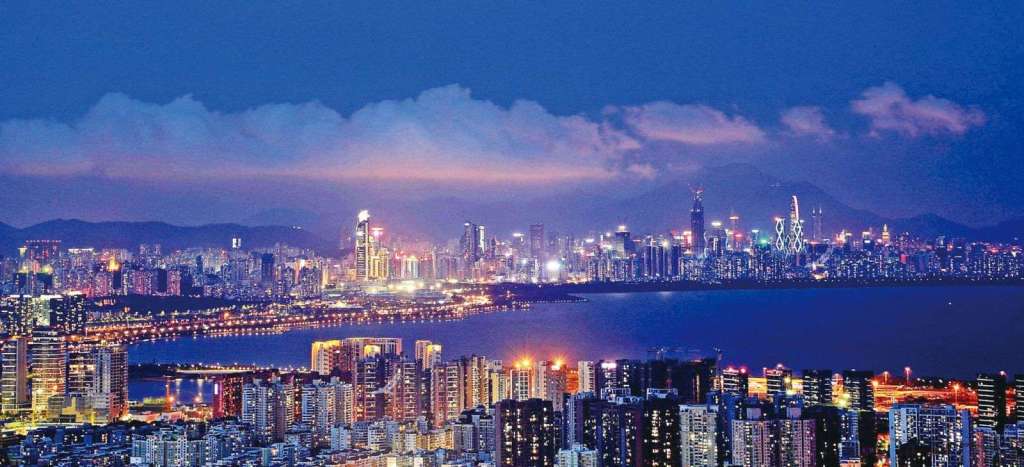
The delta, rich in resources and waterways, is a key, densely populated region vital to China’s economy and demographics.
- Guangzhou has evolved into a major financial center, with the Guangzhou Development District becoming a focal point for fintech innovation and international financial services.
- Dongguan as the “World’s Factory” specializing in electronics, textiles, toys, and household goods. Its manufacturing capacity and industrial output have contributed massively to China’s export economy.
The Guangdong-Hong Kong-Macau Greater Bay Area
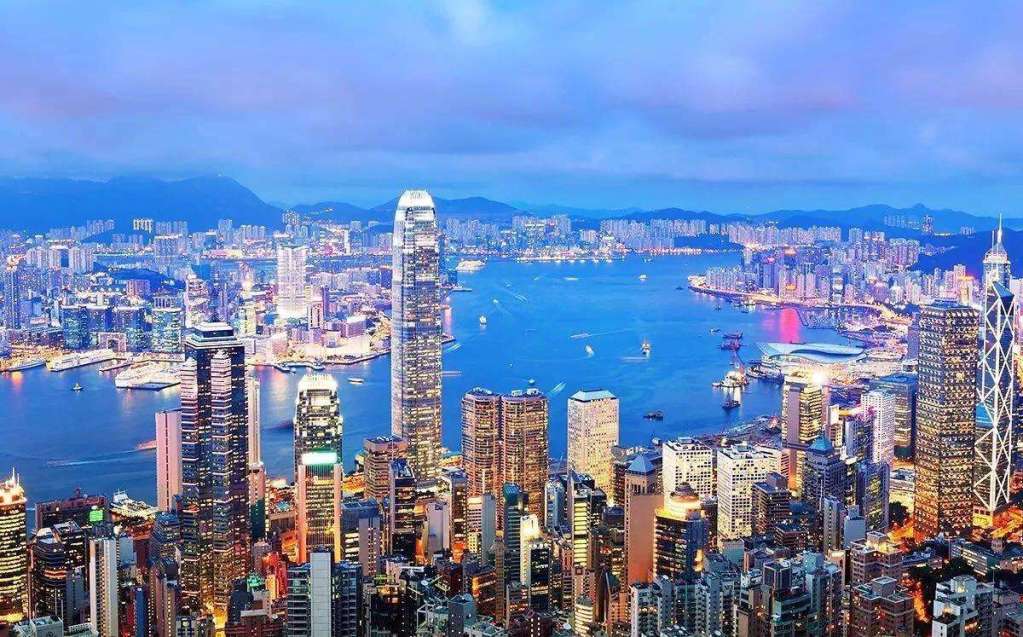
The Guangdong-Hong Kong-Macau Greater Bay Area combines Hong Kong, Macau, and key Guangdong cities like Guangzhou and Shenzhen, driving China’s economic vitality.
The delta covers less than 0.6% of China’s land but contributes nearly one-ninth of its economic output.
Key Cities:
- Shenzhen, China’s innovation and tech hub, is home to major companies like Tencent, Huawei, and DJI which leads advancements in AI, robotics, and biotechnology.
- Guangzhou serves as a major center for commerce, trade, and manufacturing, with a focus on automotive, electronics, and machinery. Additionally, Its proximity to Hong Kong strengthens its role as a key link in international supply chains.
- Hong Kong, a global financial center, drives the GBA’s success with its finance, legal services, logistics, and top infrastructure.
- Macau, a top tourism destination with major casinos and resorts which boosts the GBA economy through its entertainment and hospitality sectors.
- Zhuhai is emerging as a high-tech hub in biotechnology, clean energy, and manufacturing, in other word is key to integrating Macau and Hong Kong’s industries with the mainland.
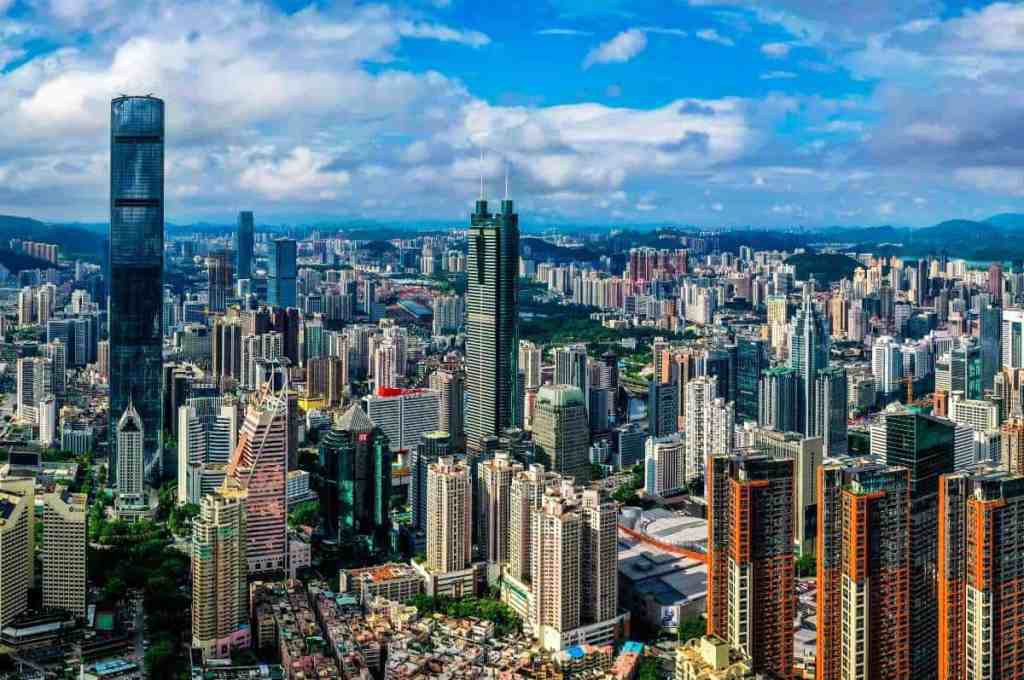
Globally, it rivals the San Francisco and Tokyo Bay Areas, remaining one of the top four bay areas with its unique charm.
Guangdong-Hong Kong-Macau Greater Bay Area/ The Pearl River Delta
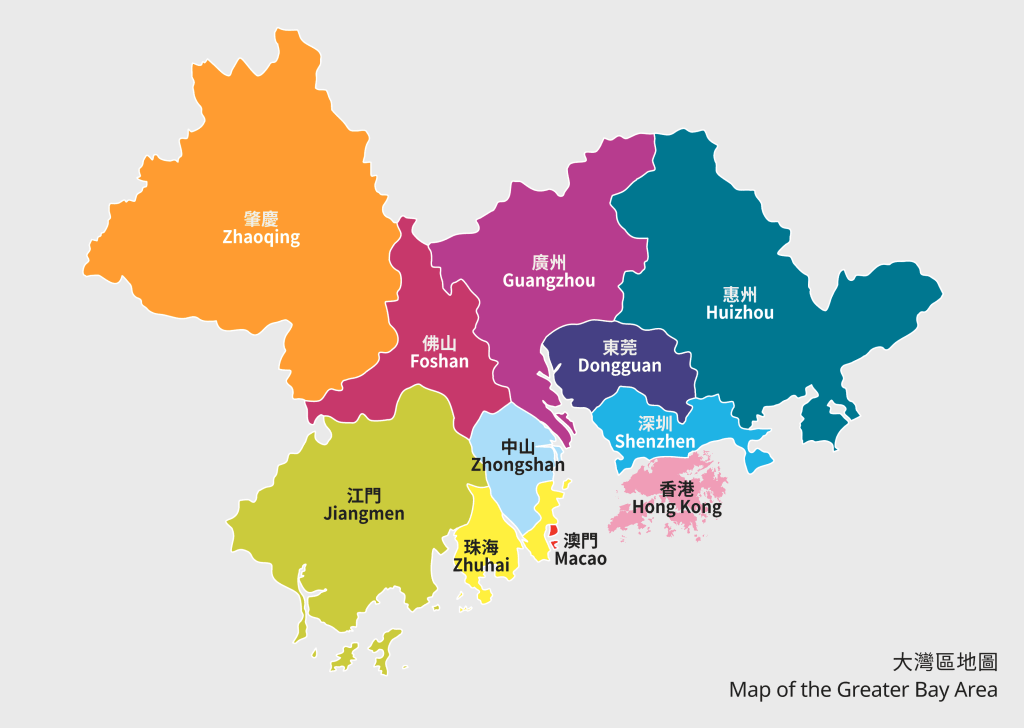
Comparison of Pearl River Delta and Greater Bay Area
| Aspect | Pearl River Delta | Greater Bay Area (GBA) |
| Scope | Includes cities like Guangzhou, Shenzhen, Zhuhai | Includes PRD, Hong Kong, and Macau with cross-border integration |
| Economic Power | Hub for manufacturing, trade, and exports | Focus on finance, tech, and innovation |
| Global Standing | Regional importance | Competes globally, on par with Tokyo Bay |
| Key Features | Industrial and trade-focused | Modern, integrated with global economic influence |
From majestic mountains to thriving cities, China geography shapes its culture and fuels its economic might.
With rapid urbanization, tech advancements, and a strong financial system, China rises as a global powerhouse, driving growth and shaping the future.
Thus, we recommend our students to economically developed regions with abundant job opportunities and diverse career prospects. Moreover, this approach aligns with our core philosophy of supporting students in enhancing their career development.
Also, we guide students to locations with better job markets and growth opportunities, empowering them to build successful careers.
Finally, you’re done exploring China geography, your dream city in China is just within reach. Ready to make it a reality? Apply now with ApplyForChina!